

Optimal Hamster Forage: Dried & Fresh Plants That Enrich and Nourish
Food is essential for your hamster’s health, but it can also be a source of joy and mental stimulation. By turning mealtime into an engaging activity, you help mimic the natural foraging behavior that keeps wild rodents sharp and active.
When food becomes an enrichment tool, your hamster is encouraged to explore its cage, burrow, and move naturally—an exercise that’s far more varied and rewarding than endless wheel running. With a well‑equipped enclosure, many hamsters spend only a fraction of their day on the wheel.
Think of treats as a multi‑sensory experience rather than a quick snack. Allowing your hamster to sniff, manipulate, and even “play” with fresh or dried plants stimulates curiosity, provides tactile enrichment, and lets you observe those adorable whisker‑fluffing moments.
Article content provided by hamster diet supremo Beri Instone.
Edible Enrichment for Hamsters Using Dried Plants
Originating from arid steppe and desert grasslands, Chinese hamsters thrive when their diet includes hay, dried grass, and other herbaceous scraps. These plant fibres help maintain healthy digestion and encourage natural digging behavior.
While grains form the core of a balanced diet, offering a variety of non‑grain plant parts—excluding sugary fruits and root vegetables for dwarf hamsters—provides essential micronutrients and promotes chewing activity.
Depending on your enclosure, you can spread a layer of dried forage across the substrate or create a dedicated foraging box to contain it. Longer‑stalked hay is more stimulating; it allows burrowing, improves coat condition, and often contains tender seed heads that hamsters love to forage.
Short‑cut hay (cut to one‑two‑inch lengths) works best when offered in a pile in a specific area, making it easier to monitor consumption. Straw can serve as substrate enrichment, but it offers little nutrition and is therefore unsuitable as a primary food source.
Providing a mix of hay types gives your hamster choice—an important mental stimulus. At any one time, Beri recommends:
- Long‑strand meadow hay (known as orchard hay in the US) – a blend of grasses with aromatic, flavorful plant additions.
- Short‑cut flash‑dried annual ryegrass – common for small‑animal diets unless otherwise labeled.
- Short‑cut flash‑dried Timothy grass – though some hamsters find this fibrous texture off‑putting, so it’s best used in combination.
- Green oat hay with immature seed heads – harder to source in Europe but highly rewarding for foraging.
Rotating these forages—or layering them together—offers variety and allows your hamster to exercise decision‑making, which benefits both physical and mental health.
When shopping, choose bags of greener hay, as it retains more nutrients. Bulk horse hay can be used, but avoid low‑quality farm hay that contains thistles and high dust levels.
Small‑animal hay often includes safe dried flowers and leaves such as marigold, rose petals, mint, nettle, and dandelion, providing extra micronutrients. Skip products with dried fruit or vegetable pieces that are high in sugar.
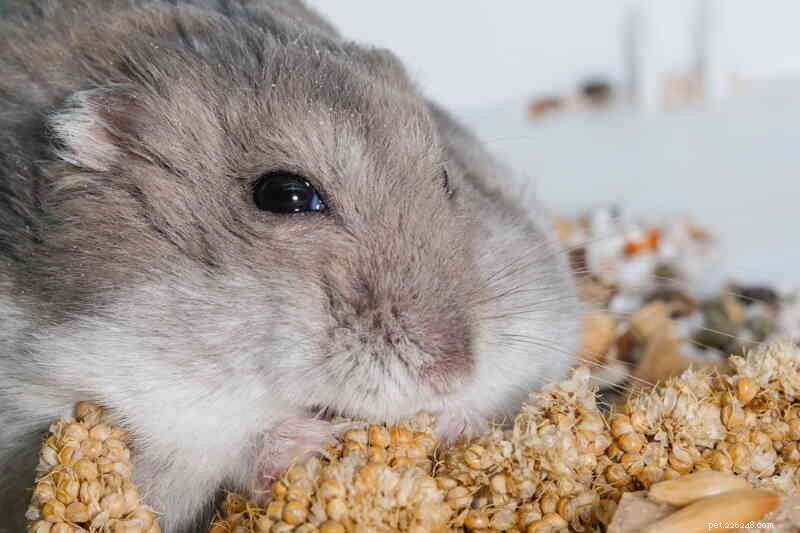
Herbal Mix Packs
Another option is “bunny herbs” – a blend of dried leaves and flowers marketed for rabbits, guinea pigs, chinchillas, and even tortoises or lizards. These packs are usually more economical in bulk and offer a diverse range of textures.
For dwarf hamsters, always double‑check the ingredient list for any dried fruit or veg. In Europe, rabbit‑friendly brands provide the best selection, while in the US tortoise and lizard labels are often the most affordable.
- Kaytee Food from The Wild Natural Snack – choose dried strawberry and carrot options for Syrian hamsters.
- Zoo Med Tortoise and Box Turtle Flower Food Topper.
- Zoo Med Lizard Flower Food Topper.
- Pasture Plus+ Dandelion Delicacy.
In America, ZooMed is a trusted brand, whereas Rosewood is preferred in Europe.
Creating Your Own Dry Hamster Forage
Homemade dried forage is feasible if you’re confident in plant identification. Small batches can be oven‑dried at a low temperature or air‑dried in mesh bags in a dry climate. In humid regions, mold can develop quickly, so monitor the drying process closely.
Many owners use a food dehydrator set to a low temperature to prevent burning thin leaves. For a single hamster, the cost may not be justified unless you also plan to make food for yourself.
To scent‑enrich the cage, sprinkle finely chopped dried herbs around the enclosure. Bulk horse‑herb bags are available, but for smaller quantities, culinary herbs or dry tea‑leaf teas (free of liquorice) are suitable. Never give liquid herbal tea—hamsters are not adapted to high fluid intake and flavored liquids can lead to over‑drinking.
Only offer plants that are proven safe and beneficial. Culinary kitchen herbs—basil, tarragon, etc.—are ideal because they provide exciting flavours and textures. You can either trim the plant for small pieces or, for a messier approach, allow the entire plant outside the cage.
A more involved option is to sprout seeds in a shallow tray. When sprouts reach a few centimetres, they’re perfect for a free‑range adventure or a short‑term cage activity.
Seeds that sprout well include:
- Cress.
- Grass seed blends (avoid single‑species “lawn grass” mixes).
- Whole wheat or oat grains for wheatgrass or oatgrass.
- Whole‑grain wild bird seed.
- Human‑grade sprouting seeds from health‑food stores.
Sprout trays can be offered during free‑range time or placed in a large enclosure for limited access. Having trays at different sprouting stages keeps the experience fresh.
- 46 Classic Egyptian Cat Names to Inspire Your Feline Friend
- Debunking 6 Myths About Your Pet’s Dental Health
- Canine Parvovirus: Symptoms, Treatment, and Prevention
- Dogs' Hearing Sensitivity: Can They Detect Sounds Twice as Loud as Humans?
- 11 Human Foods Cats Can Safely Enjoy
- Quarantine Dog Grooming: Key Essentials for At-Home Care
- Australian Stumpy Tail Cattle Dog: Traits, Behavior & Working Role