

Pictus Catfish: A Sleek, Active Freshwater Species for Community Tanks
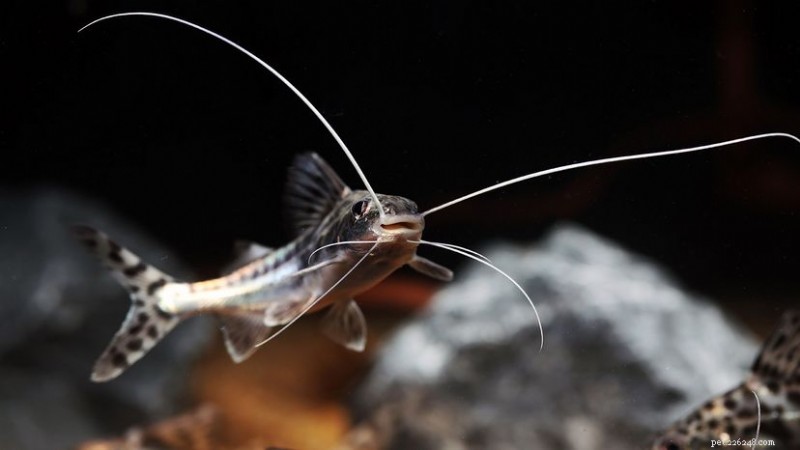
If you’re looking for a lively, sleek freshwater species that adds both color and motion to your aquarium, the pictus catfish (Pimelodus pictus) is an excellent choice.
With a graceful silhouette and a distinctive pattern of silvery scales speckled with black spots, these catfish are prized by hobbyists for their beauty and active swimming style.
Below is a comprehensive guide covering their natural background, appearance, behavior, feeding, breeding, and practical care tips.
Natural Habitat and Origin
Pictus catfish are native to the Orinoco and Amazon River basins in South America. In the wild, they thrive in fast‑moving streams and rivers that are rich in decaying organic material. They use dense vegetation, driftwood, and rocky crevices for shelter and feeding opportunities.
Physical Characteristics
- Color and Markings: Silvery body dotted with irregular black spots.
- Size: Adults typically reach 5 inches (13 cm).
- Fin Structure: Dorsal and pectoral fins contain sharp spines that are mildly venomous and serve as a defense mechanism.
- Barbels: Long, whisker‑like barbels extend from the snout, aiding in navigation and prey detection.
Because of their spiny fins, handle pictus catfish with care—avoid bare hands or fine‑mesh nets that could snag the fish or damage equipment.
Behavior and Tank Setup
These catfish are energetic swimmers and fare well in community tanks when given ample space. For optimal health:
- Tank Size: Minimum 55 gallons (208 L); larger is preferable.
- Tankmates: Pair with similarly sized or larger species. Avoid very small fish that may be mistaken for prey.
- Lighting: They prefer dim or low‑light conditions in line with their nocturnal habits.
- Decor: Provide live or artificial plants, driftwood, and smooth rocks to replicate natural hiding spots.
While pictus catfish form schools in the wild, a single fish or a small group can thrive in captivity if space and environmental conditions are adequate.
Diet and Feeding Schedule
As omnivores, pictus catfish have a flexible diet. In the wild they consume decaying plant matter, small fish, and invertebrates. In a home aquarium, a varied menu ensures balanced nutrition:
- High‑quality pellet or flake food (provides essential proteins and vitamins).
- Frozen or live foods such as bloodworms, brine shrimp, and daphnia.
- Occasional vegetables—blanched zucchini, peas, or spinach.
Feed them in the evening to align with their nocturnal feeding patterns. Sinking foods are recommended, as pictus catfish typically forage from the substrate.
Breeding Considerations
Unlike many other aquarium catfish, breeding pictus catfish in a home setting is exceedingly rare. Successful reproduction would likely require meticulous control of water parameters, tank layout, and dietary regimes—research and experimentation beyond typical hobbyist practices.
Compatibility and Handling Precautions
These catfish coexist peacefully with similarly sized or larger species. However, their active demeanor can stress delicate or very small fish. When selecting tankmates, consider:
- Other bottom‑dwelling catfish such as Corydoras species (they are too small to compete).
- Peaceful, larger fish that can tolerate moderate activity.
- Avoid aggressive or territorial species that prefer a calm environment.
Use a secure lid, as pictus catfish are known to jump. Avoid rough gravel to protect their sensitive barbels, maintain high‑quality filtration, and handle with gloves or nets to prevent injury from their spines.
Quick Care Checklist
- Secure tank lid to prevent escapes.
- Use smooth substrate; avoid sharp or uneven gravel.
- Maintain excellent filtration and regular water changes.
- Handle gently—protect yourself and the fish from spiny fins.
With proper care, the pictus catfish can become a striking centerpiece in a well‑balanced community aquarium. Their silvery, speckled appearance and darting movements add both visual interest and dynamic activity to your tank.
We created this article with the aid of AI technology, and it was thoroughly fact‑checked and edited by a HowStuffWorks editor.
- Expert Guide: Successfully Introducing a New Dog to Your Pack
- Why Do Yorkies Shake? Common Causes & Quick Fixes
- What Your Bearded Dragon’s Color Reveals: 7 Key Insights for Owners
- Can Dogs Safely Eat Jicama? A Guide to Benefits and Risks
- Hank & Howie: How a Ragdoll Cat and a Bengal Cat Found Harmony Together
- Understanding Foul-Smelling Vomiting in Dogs: Causes and When to Seek Veterinary Care
- Teach Your Cat to Play Dead: Step‑by‑Step Guide for Smart, Happy Pets