

Can Hamsters Safely Eat Watermelon? Expert Guidelines on Quantity and Frequency
Watermelon is a beloved fruit worldwide, packed with potassium, antioxidants, and vitamins A and C. If you’re sipping a chilled slice, you might wonder whether your hamster can share in the refreshment. The answer is yes—watermelon can be a safe treat for most hamsters when offered in moderation.
Why Hamsters Are Attracted to Watermelon
Hamsters are naturally curious eaters and are drawn to sweet, juicy foods. Even though wild hamsters never encounter cultivated watermelon, the high sugar content and vivid colors make it irresistible to pet hamsters. The fruit provides a burst of flavor and hydration that aligns with their energetic lifestyles.
Why Portion Control Matters
Because hamsters are tiny, even a small bite can become an overindulgence. Overfeeding fruit can lead to health problems such as diabetes, fatty liver disease, and obesity. Keeping treats small is not cruel—it’s essential for long‑term wellness.
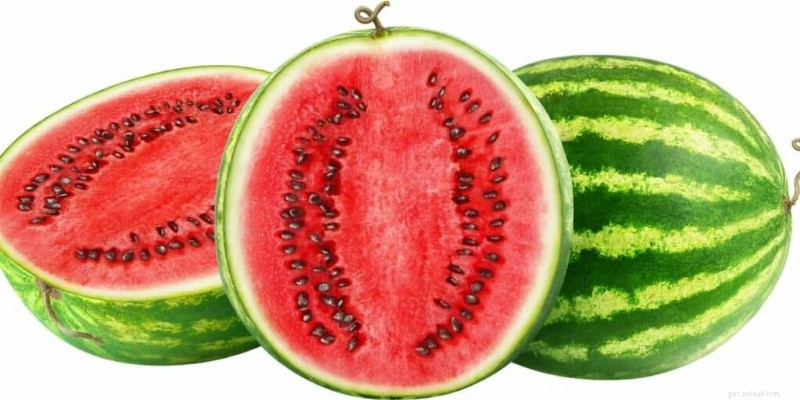
Watermelon should be offered as an occasional treat, not a staple of the diet. Excessive portions can upset the delicate balance of a hamster’s gut and lead to digestive upset.
Signs of Overconsumption
Unlike humans, hamsters cannot gauge portion sizes. Watch for weight gain, lethargy, or changes in stool consistency. A sudden increase in weight or a shift to softer, watery stools may signal that the hamster is eating too much sugary fruit. If you notice these signs, cut back immediately.
High sugar intake increases the risk of diabetes, a condition that can be difficult to detect until it’s advanced. Even small quantities can pose a risk if combined with other sugary treats.
Diarrhea can also arise from overfeeding watermelon, leading to dehydration—a serious concern for small pets. Keep hydration in mind, but remember that watermelon’s water content doesn’t replace the need for clean drinking water.
Is Watermelon Juice Safe?
Feeding watermelon juice to a hamster is not recommended. Juice lacks the dietary fiber that helps regulate sugar absorption and aids digestion. Without fiber, the hamster’s gut may struggle to process the sugar, increasing the likelihood of gastrointestinal upset.

Should You Offer Seeds?
Black watermelon seeds are harmless but can pose a choking hazard, especially for smaller breeds. It’s safest to remove all seeds before offering the fruit to your pet.
What About the Rind?
The rind is generally safe once washed thoroughly. Some hamsters may gnaw on it, but it’s best to remove it after eating to prevent mold growth. Rind provides a little chew, but it offers minimal nutritional benefit.
Recommended Portion Size
As a guideline, limit watermelon to about a quarter teaspoon of diced fruit once a week. Slice the fruit into bite‑sized pieces to prevent overeating and to facilitate chewing. If your hamster rarely consumes other sugary fruits, you may slightly increase the portion; otherwise, keep it modest.
Never give large quantities in a single sitting. Instead, treat watermelon as a rare indulgence that adds variety without compromising health.
- Hero the Super Collie: From Farm Pup to America’s Got Talent Sensation
- Xuquan, Founder of QQPets, Featured on CCTV's Influential People
- New Study Links Dog Interaction to Reduced Neurodegenerative Disease Risk
- Is It Safe for Cats to Eat Ice Cream? A Comprehensive Guide
- Chickens Don’t Have Teeth: How They Eat Without Them
- Recognizing an Infected Tick Bite on Your Dog
- Maintaining Harmony: Expert Tips for Managing a Multi-Cat Household