

Why Hamsters Throw Their Poop – Common Causes & How to Stop It
Hamsters occasionally toss their feces, a behavior that can signal anything from natural territorial marking to environmental stress. Understanding the root cause helps owners keep their pets healthy and cages tidy.
Territorial Marking After Adding a New Hamster
When a new hamster joins a colony, both animals may become more territorial. This can lead to increased urination and feces being flung around the cage as a scent‑marking tactic.
If you notice a sudden uptick in poop throwing after a new addition, it’s usually a territorial response.
Preventing Territorial Behavior
Hamsters are solitary by nature, and most species begin to display territorial habits by ten weeks old. The safest practice is to house one hamster per enclosure. If you prefer multiple pets, research breeds known for better social tolerance—such as certain dwarf varieties—but monitor closely for stress signals.
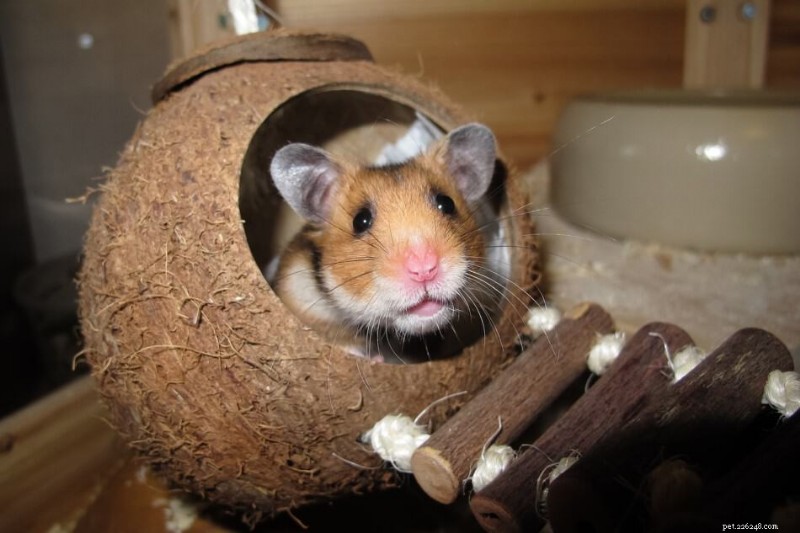
Is the Cage Too Dirty?
Many hamsters will designate a “toilet” area inside their cage. If the cage isn’t cleaned daily, they may try to tidy up by tossing feces elsewhere. Routine spot‑cleaning of droppings, food crumbs, and soiled bedding is essential.
How Often Should You Clean?
Daily removal of waste and a thorough weekly clean with warm, soapy water helps prevent accidental dumping. A tidy cage reduces the urge to scatter poop.
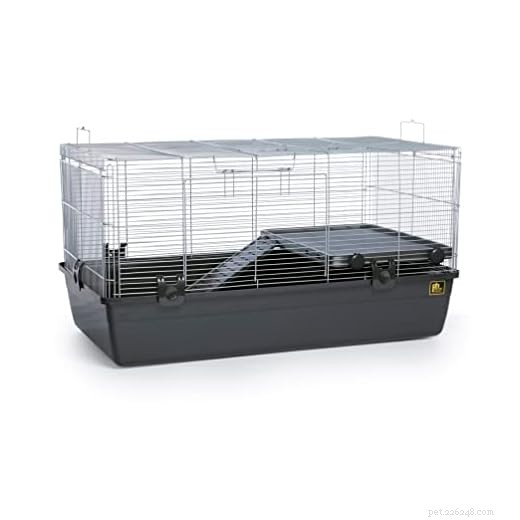
Prevue Pet Products 528 Universal Small Animal Home, Dark Gray, CAGE
in stock
Amazon.com
Amazon price updated: June 10, 2026 10:41
Features
- Part Number: 480372
- Model: 528
- Warranty: 90 Day Limited Manufacturer Warranty
- Color: Dark Gray
- Size: CAGE
Weekly deep cleans with warm soapy water keep the enclosure hygienic and odor‑free.
Is Your Hamster Getting Enough Stimulation?
Hamsters need ample physical exercise and mental enrichment. A lack of toys or an inadequate exercise wheel can lead to boredom, prompting them to manipulate their environment—including their own waste.
Keeping Your Hamster Entertained
A well‑functioning wheel is a must. If it squeaks or feels uncomfortable, the hamster may avoid it and look for other outlets. Add climbing structures, chew toys, and tunnels to diversify their play.
Watch this short guide on enrichment: Hamster Enrichment Tips
Cage Rage
When the above factors are addressed yet the hamster still throws feces, consider the possibility of cage rage—a stress‑induced aggression that can manifest as overactivity, destructive behavior, or attacks on the owner.
Read our detailed guide on Cage Rage for more insight.
- Restless and overactive
- Excessive bar biting and toy destruction
- Guarding cage doors
- Lunging or biting at you
- Frequent stool flinging
- Increasing aggression toward owner
Addressing cage rage often involves improving hygiene and expanding cage space. Ensure the enclosure meets the size recommendations for the specific hamster species.
What Causes Cage Rage and How to Fix It?
Common triggers include inadequate cleaning and cramped habitats. Regular cleaning, a larger cage, and species‑appropriate space can prevent or mitigate cage rage. If symptoms persist, consult a veterinarian for a comprehensive assessment.
Best Practices to Stop Poop Throwing
Maintaining a clean, spacious cage with plenty of toys and honoring the hamster’s need for solitude are key to eliminating stool‑throwing behavior. If the problem continues despite these measures, seek veterinary advice.
- Responsible Home Breeding of Basset Hounds: A Complete Guide
- Why Golden Retrievers Love Being Petted – The Science Behind Their Affection
- DIY Fruit Parfait Dog Treat: Cool, Nutritious & Easy
- The Right Aspirin Dosage for Dogs: Safe Pain Relief Tips
- Empowering Your Dog: Positive Choice-Driven Training
- The Top 10 Tarantula Species Ideal for Beginner Pet Keepers
- Why Does Your Rabbit Sneezing So Much? A Vet’s Guide