

How to Keep Your Hamster Warm This Winter: Proven Care Tips
The winter season brings cold temperatures that can affect your hamster’s health. By creating a warm, comfortable environment, you can protect your small companion from the risks of hypothermia and inactivity.
Do Hamsters Get Cold?
Hamsters are sensitive to temperature changes. Rooms that drop below 20 °C (68 °F) can cause discomfort within hours. The ideal range for most hamsters is 20–23 °C (69–75 °F). Keeping the cage at these temperatures helps maintain normal metabolic function and prevents health complications.
Dangers of Cold Exposure
- Hibernation risk: Unlike their wild counterparts, pet hamsters are unprepared for sudden cold, potentially leading to dangerous sleep or dehydration.
- Respiratory issues: Cold can trigger sneezing, runny nose, and fatigue similar to a common cold.
- Hypothermic shock: In extreme cases, severe cooling can be fatal.

How to Keep Your Hamster Warm
Below are evidence‑based strategies to ensure your hamster stays cozy, safe, and active throughout the colder months.
1. Provide Extra Bedding
Hamsters instinctively burrow for warmth. Adding more bedding—preferably soft materials such as recycled cardboard or shredded tissue—creates a nest that traps body heat. Avoid hard or abrasive bedding like pellet or wood shavings.
2. Add a Pet‑Safe Blanket
A lightweight blanket draped over the cage offers immediate warmth. Choose fleece or breathable fabrics that are machine washable. Ensure the blanket does not cover the cage opening to prevent suffocation.
3. Use a Dedicated Heating Pad or Lamp
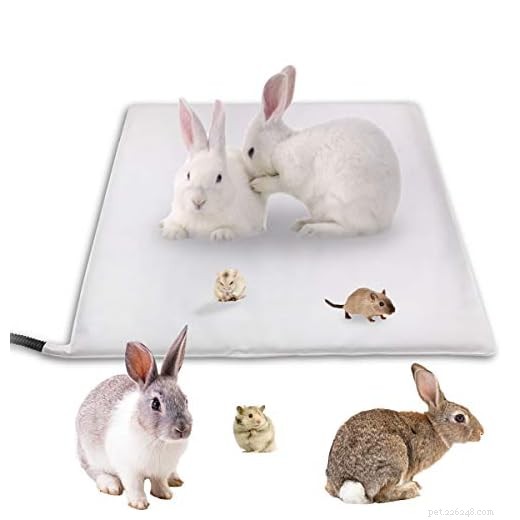
Invest in a heating pad designed for small animals; avoid standard human pads. Position the pad on one side of the cage so the hamster can move to a cooler area if needed. For extra safety, keep the pad slightly elevated or use a heat lamp with a thermostat.
4. Keep the Cage Indoors
Move the cage away from drafts, windows, and outdoor vents. A room with a steady, mild temperature—ideally 20–23 °C—is optimal. If heating is limited, consider a closet or bathroom that can be insulated.
5. Opt for a Spacious, High‑Quality Cage
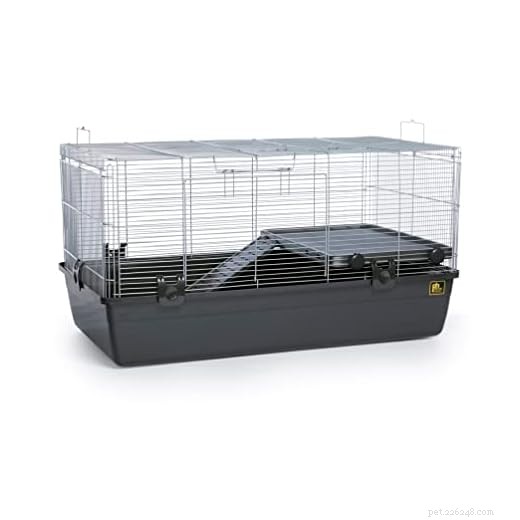
Choose a cage that allows for temperature control and easy cleaning. The Prevue XL Cage, for example, offers ample space and is well‑rated for small pet owners.
6. Maintain Energy with Food & Activity
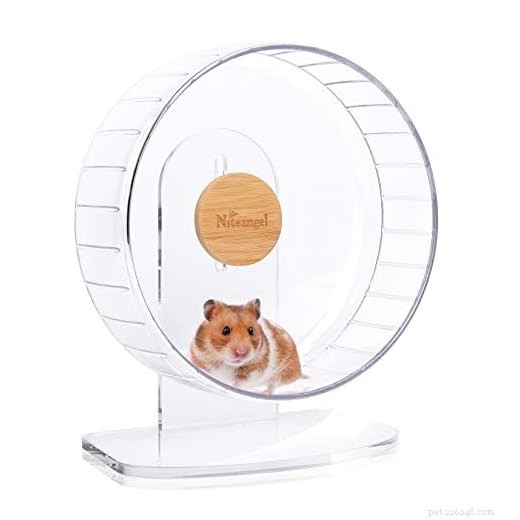
Proper nutrition keeps your hamster’s metabolism active. Provide a balanced diet and ensure fresh water is always available. A running wheel not only entertains but also helps regulate body temperature through movement.
Final Thoughts
Implementing these measures ensures your hamster remains warm, healthy, and happy even when temperatures drop. Proactive care prevents serious health issues and gives you peace of mind.
- American Shorthair Cat Breed: Traits, Care, and Family‑Friendly Companion
- Understanding Hot Spots in Cats: Causes, Symptoms, and Prevention
- 7 Must-Have Fall Dog Toys & Accessories Your Pup Will Love
- DIY Cardboard Gingerbread House for Pets: A Festive, Eco‑Friendly Gift
- American Bully: A Loyal, Gentle Companion for Families
- Safe & Effective Dog Bathing: What to Use for a Stress‑Free Clean
- Expert Guide: Using Puppy Potty Training Pads for Easy Housebreaking and Indoor Care