

How to Keep Your Hamster Happy and Healthy
Understanding a hamster’s emotional state can be challenging, but recent research on rodent cognition has given us a clearer view of what keeps these tiny companions content. By creating a safe, stimulating environment and meeting their physical and dietary needs, you can ensure your hamster thrives.
Is My Hamster Happy?
Signs of boredom or distress often manifest as destructive behavior, such as gnawing on cage bars or bedding. If you notice these habits, it’s a cue that your hamster’s environment isn’t meeting its needs.
Ask yourself: Does my hamster have the right equipment, food, and enrichment to stay engaged? Addressing these areas can transform your pet’s mood.
Appropriate Housing
Hamsters dislike confinement. While they enjoy small burrows for sleep, they also need ample space for exercise. A cage that is too small can lead to health and behavioral issues.
Two main options exist:
- Commercial cages – Choose one that is spacious (ideally >100 cubic inches) and includes secure bars. Large cages allow for multiple enrichment items.
- Custom-built cages – Building your own gives you control over size, ventilation, and safety. Remember, hamsters are solitary; never house more than one in a single enclosure.
Placement matters: avoid high‑traffic or noisy areas, and keep the cage away from direct sunlight. Cover the cage with a dark cloth during the day to mimic their nocturnal sleep cycle.
Enrichment Toys & Food
Enrichment materials tap into a hamster’s natural curiosity and foraging instincts. Toys that challenge the mind and body keep them mentally stimulated.
- Running wheels (quiet models such as the Niteangel Super‑Silent are recommended)
- Multi‑level tunnels and mazes (e.g., ZENFUN Wooden Maze)
- Sand baths (DR.DUDU Desert Sand) for digging behavior
- Soft hammocks (Jetec Soft Bed) for resting and nesting
- Wooden blocks and rocks for climbing and burrowing
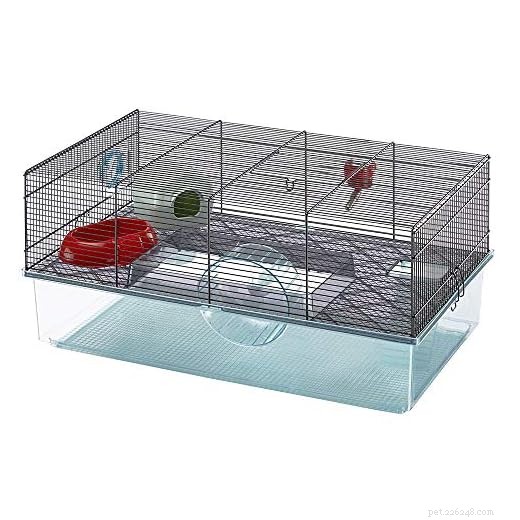
Ferplast Favola Hamster Cage Includes Free Water Bottle, Exercise Wheel, Food Dish & Hamster Hide‑Out Large Hamster Cage Measures 23.6L x 14.4W x 11.8H‑Inches
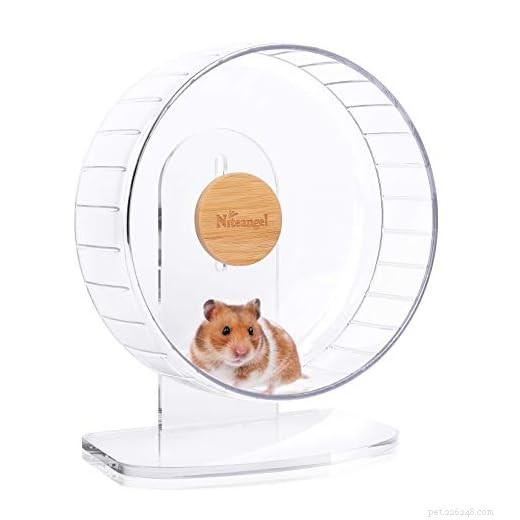
Niteangel Super‑Silent Hamster Exercise Wheels – Quiet Spinner Hamster Running Wheels with Adjustable Stand for Hamsters Gerbils Mice Or Other Small Animals…
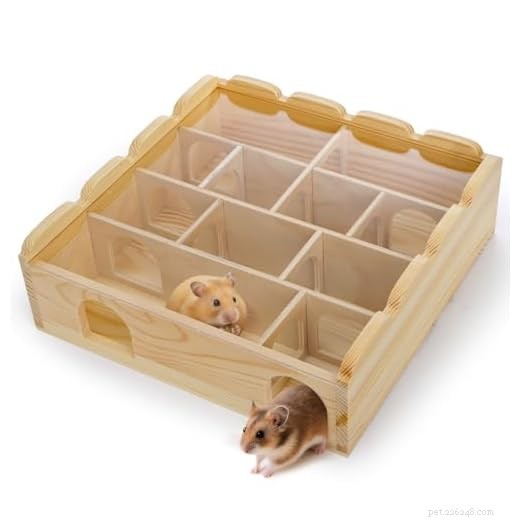
ZENFUN Wooden Hamster Maze with Clear Acrylic Cover, Multi‑Chamber Hamsters Hide Tunnel Cage, Hideout Tunnel Toy Shed and Explore Toy for Dwarf Hamsters Mice…
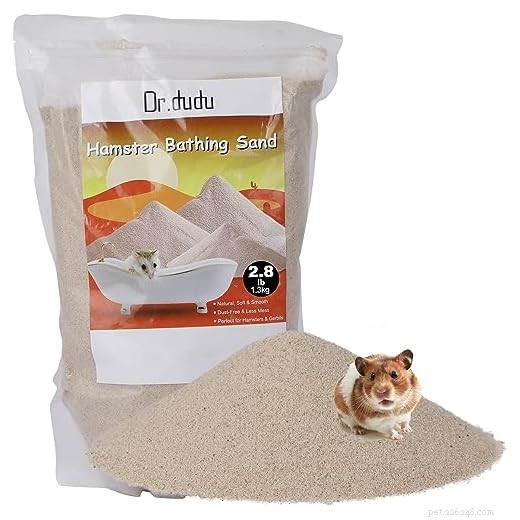
DR.DUDU Hamster Bath Sand, 2.8lb Dust Free Desert Sand or Potty Litter Sand for Hamster Chinchillas Gerbil Syrian Mice Small Animals (Beige)
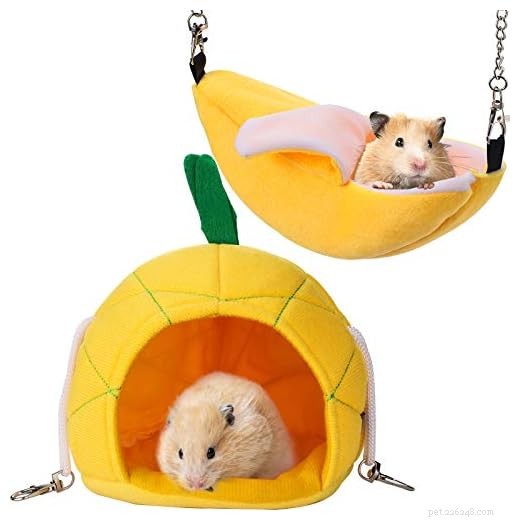
Jetec 2 Pieces Hamster Hammock Soft Bed Small Pet House Animals Hamster Hanging House Cage Nest for Guinea Pig Rat Chinchilla Sleep and Play (Banana and…
Amazon price updated: June 10, 2026 06:42
Food enrichment—such as puzzles that require the hamster to work for treats—mirrors natural foraging behavior and provides mental stimulation.
Scattering food throughout the cage encourages exploration and satisfies instinctual digging.
Dietary Considerations
Commercial hamster chow supplies balanced nutrition. Supplemental fresh produce should constitute no more than 10% of daily intake to avoid digestive upset. Overfeeding sugary or fatty treats can lead to diarrhea or obesity.
Limit treats to 2–3 small pieces per day. Always verify that fruits, veggies, seeds, and nuts are safe for your specific species—some foods can be toxic.

Consult your veterinarian if you’re unsure about appropriate foods or if your hamster shows signs of digestive distress.
Exercise & Outdoor Play
Providing a large, enrichment‑rich cage is the primary way to ensure adequate exercise. If you wish to let your hamster out of its cage, create a supervised play area that is free of hazards such as electrical outlets, sharp objects, and open doors.
Never allow unsupervised roaming—hamsters are vulnerable to predators, household pets, and accidental injuries.
Regular, safe exercise improves digestion and overall health, giving you enjoyable moments to watch your pet in action.
Signs Your Hamster Is Content
Normal behaviors include grooming, regular feeding, interacting with you, and active play with toys.
Does Music Affect Hamsters?
Many owners report that gentle classical, country, or pop music can soothe hamsters. Keep volumes low to avoid stress.
Signs of Stress or Aggression
Isolation, hiding, or new biting behaviors may indicate stress. Address environmental or social triggers promptly.
Does Your Hamster Like Its Cage?
Frequent use of toys, consistent eating, and calm behavior suggest a suitable enclosure.
How Many Treats Are Safe?
Stick to 2–3 small treats daily. Exceeding this can suppress appetite for regular food and cause stomach discomfort.
Enjoying Each Other’s Company
Armed with these guidelines, you’ll be well‑prepared to provide a happy, healthy life for your little furball, enriching both their life and yours.
- Can Dogs Live With Mast Cell Tumors? Expert Insights & Care Tips
- How Ragdoll Cats React to a Christmas Tree: What to Expect
- Understanding Why Dogs Growl During Play: A Guide for Owners
- Essential Guide to Traveling Safely with a Special Needs Pet
- 10 Key Signs of Rabies in Dogs & the 3 Critical Stages You Must Know
- Top Dog Breeds Ideal for Children and Family Life
- 21 Stunning Pet Portraits That Capture Your Furry Friend’s Essence