

Teddy Bear Hamsters: 21 Expert‑Backed Facts About the Fluffy Companion
Hamsters are among the most endearing small pets, and the Teddy Bear Hamster—renowned for its long, plush coat—stands out for its teddy‑bear‑like appearance and affectionate nature.
Below are 21 evidence‑based facts that every prospective or current owner should know, from diet and habitat to behavior and health.
Looking for a unique hamster cage? Check out the Qute Hamster House by Omlet for a cozy, stylish enclosure.
1. A Teddy Bear Hamster Eats Bugs
In the wild, these rodents are opportunistic feeders, consuming a variety of insects and grubs that provide essential protein. Pet owners can supplement their diet with mealworms or frozen grubs, ensuring a balanced protein intake.
2. Hamsters Like to Hide
As prey species, hamsters naturally seek shelter. Providing a small “hamster house” or a snug corner in their cage helps them feel secure and reduces stress.
3. The Teddy Bear Hamster Is a Solitary Creature
They do not tolerate conspecifics. When breeding or housing multiple animals, separate juveniles by 8 weeks to prevent territorial aggression, which can be fatal. They thrive on human interaction, requiring affection, space, and routine.
4. Fruits Suitable for Teddy Bear Hamsters
Fruit is a treat, not a staple, due to its high sugar content. Safe options include pears, apples, and small pieces of peach, offered no more than two to three times per week.
5. Vegetables: A Nutritious Snack
Vegetables provide fiber and lower sugar levels, making them ideal for frequent snacking—up to four times a week. Recommended choices are carrots, cabbage, cauliflower, and broccoli.
6. Pellets Should Form the Core of the Diet
Commercial hamster pellets deliver a balanced nutrient mix and help prevent selective eating that can lead to deficiencies. Mix in occasional treats, but keep pellets as the primary food source. Oxbow Pellets are a trusted brand.
7. Hamsters Are Highly Expressive
Despite their size, Teddy Bear Hamsters display a full range of emotions. Puffed cheeks signal fear, while grooming and ear positioning indicate contentment or alertness. Recognizing these cues strengthens the bond between pet and owner.
8. They Look Like Little Teddy Bears
Characterized by a short, fluffy tail, a stocky body, and tulip‑shaped ears, the breed’s dense fur and expressive dark eyes add to its irresistible charm.
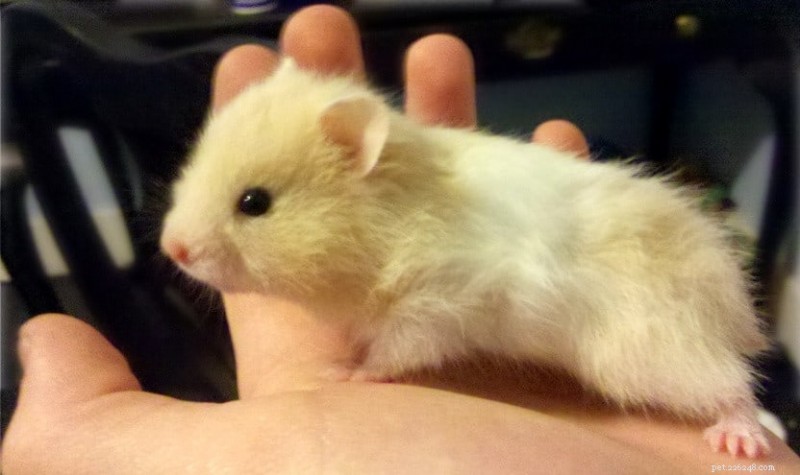 Image Credits Here
9. Originated in Syria
First identified in Syria, the Teddy Bear Hamster—also known as the Syrian Hamster—was initially a laboratory animal before becoming a popular pet worldwide. Some regions restrict ownership; click here to learn why.
10. Their Babies Are Known as Pups
Young hamsters are called pups due to their small, puppy‑like appearance. Each pup requires careful handling and a safe environment free of other adult hamsters.
11. [Missing Fact] (The original content omitted a numbered fact.)
12. Foods to Avoid
While many fruits are safe, citrus, avocados, apple seeds, mushrooms, grapes, onions, horse chestnuts, and tomatoes can be harmful. Always verify the safety of any new food before offering it.
13. They Are Nocturnal Creatures
Teddy Bear Hamsters are most active at night. Place their enclosure in a quiet area and ensure a sturdy exercise wheel for nighttime activity.
14. Litter Size
Litters typically contain 8–12 pups, with a maximum of 20 in rare cases.
15. Exercise Wheels Are Essential
A wheel with a solid, chew‑proof surface prevents injuries and promotes healthy exercise. The wheel should be appropriately sized for the hamster’s body.
16. Male Teddy Bear Hamsters Have “Skirts”
Male hamsters possess longer, skirt‑like fur on their hindquarters, making them even fluffier than females.
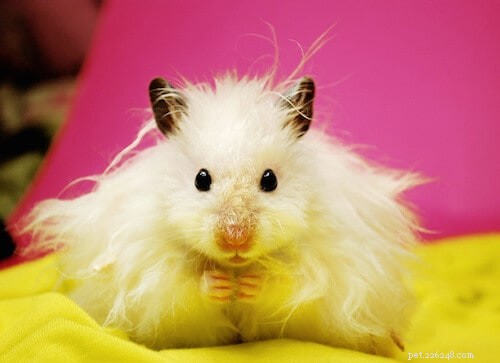 Image Credits Here
17. Sand Baths for Grooming
These rodents perform sand baths to remove excess fur and debris. Use fine, pet‑safe sand in a shallow bowl, ensuring the hamster can enter and exit safely.
18. Cheek Pouches for Food Storage
Hamsters can carry up to half their body weight in food, bedding, or nesting material, a vital adaptation for food scarcity in the wild.
19. Typical Lifespan
With proper care, Teddy Bear Hamsters live 3–5 years, and exceptional cases may reach 7 years.
20. Weekly Brushing Improves Coat Health
Despite self‑grooming habits, the breed’s long fur can mat. Brushing once a week helps maintain a clean, shiny coat and deepens the pet‑owner bond.
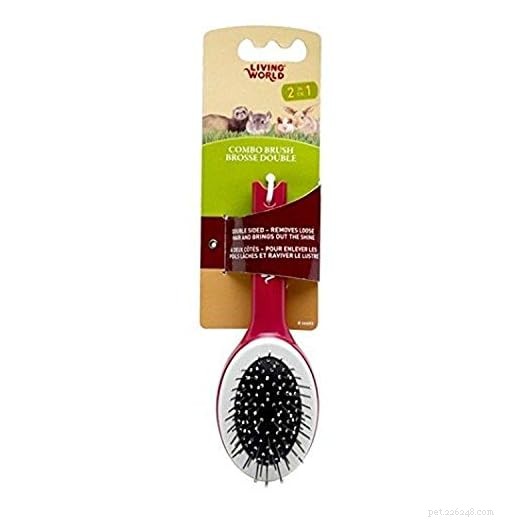
Living World Animal Combo Brush, Small
Amazon.com
21. Avoid Water Baths
Wet conditions can disrupt the hamster’s skin balance. If necessary, spot‑clean with a damp cloth; never submerge or wash with soap.
Conclusion: Teddy Bear Hamster Facts
Teddy Bear Hamsters combine adorable teddy‑bear aesthetics with distinctive behaviors and care needs. Armed with these facts, owners can provide a safe, enriching environment for their fluffy companion.
- What Is Giardia? A Comprehensive Guide for Dog Owners
- Spot and Eliminate Smelly Aquarium Water: A Step-by-Step Guide
- Choosing the Ideal Dog Food for Goldendoodles: Health & Happiness
- Soft Water and Your Dog: Is It Safe and Beneficial?
- Is Your Dog Suffering from Restless Legs Syndrome? Signs, Symptoms, and Solutions
- Choosing the Ideal Reptile Hide: A Comprehensive Guide
- Do Dogs Truly Experience Joy? Understanding Canine Happiness