

Can Hamsters Safely Eat Sprouts? Portion Sizes, Frequency & Complete Diet Guide
Sprouts are a safe and nutritious option for hamsters, offering hydration and essential vitamins. While many fresh vegetables and fruits are suitable, it’s important to know how often and in what amounts to feed them.
Hamsters thrive on a varied diet that includes leafy greens, crunchy vegetables, and limited fruit. Sprouts—particularly alfalfa or broccoli—are especially hydrating, which helps prevent dehydration in captive pets.
Here’s a practical feeding schedule and list of safe produce:
Feeding Frequency: Offer sprouts 1–3 times per week, paired with other veggies and a small fruit snack. Keep portions modest—about ¼–½ teaspoon per feeding for dwarf hamsters and up to 1 teaspoon for Syrian hamsters.
Do not cook sprouts; cooking diminishes their nutritional value and moisture content. Serve them raw to preserve their benefits.
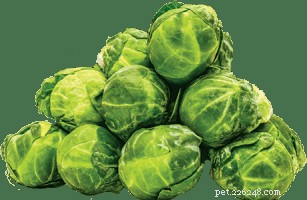
Broccoli: A Crunchy, Fiber‑Rich Treat
Broccoli’s sturdy stalks help maintain healthy molars while providing fiber and vitamins. Offer a few tiny florets—dwarf hamsters: 1–2, Syrian: 3–4—several times a week.

Carrots: Crunchy and Safe
Carrots offer both crunch and nutrition. Wash thoroughly before feeding. Dwarf hamsters: ¼ teaspoon; Syrian hamsters: ½ teaspoon. Feed up to twice weekly.
Cucumbers: Hydration & Oral Health
Cucumbers are high in water content and crunch, aiding both hydration and dental wear. Slice thinly to match the hamster’s bite size. Offer a few pieces 2–3 times per week.
Romaine Lettuce: Light and Refreshing
Wash romaine lettuce well before serving. Dwarf hamsters: ¼ teaspoon; Syrian: ½ teaspoon. Limit to 3 servings per week to avoid excessive fiber intake.
Fruit: Sweet Treats in Moderation
Fruit can be a delightful snack but watch sugar levels—especially for dwarf hamsters. Offer berries or small apple/pear pieces 1–3 times weekly.
Berries
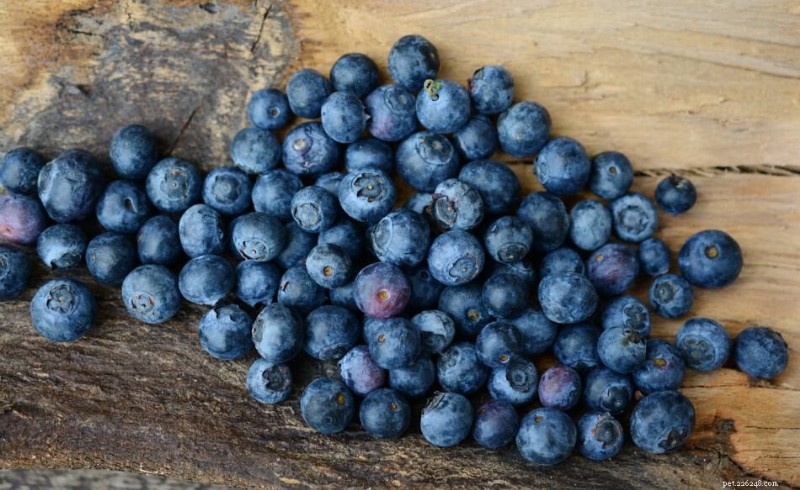
Blueberries: 1–3 medium berries or ½ large berry per feeding.
Strawberries: thinly sliced; 1–2 slices.
Blackberries: 1 medium or ½ large.
Raspberries: 1–2 berries.
Tree Fruits
Apples, pears, peaches, and nectarines are safe in small amounts—about a thumbnail-sized slice—twice weekly. Always remove seeds or pits; they contain cyanide and can be harmful.
Hay & Sprouts: A Natural Staple
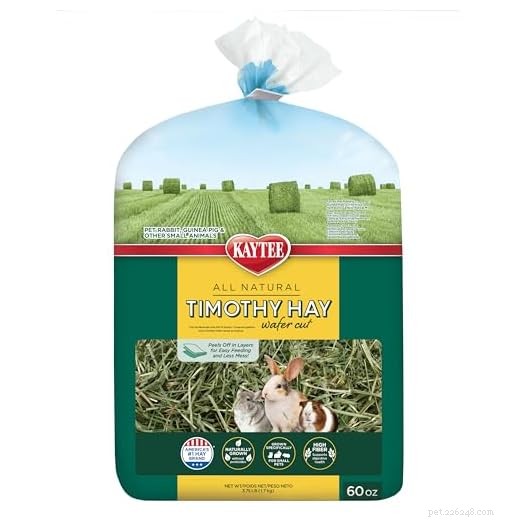
Timothy hay provides essential fiber and helps grind teeth. Hide small bundles of hay and sprouts in the cage to encourage foraging, but remove leftovers within a few hours to prevent spoilage.
Kaytee Wafer Cut All Natural Timothy Hay – 60 oz, ideal for hamsters, guinea pigs, and rabbits.
Protein Sources: Keep It Light
Hard‑boiled eggs, tofu, and lean chicken can be introduced sparingly to balance protein intake. Offer a small, single portion every few weeks, monitoring for digestive upset.
Always introduce new foods gradually: start with a pinch, observe for a few days, and discontinue if any adverse reaction occurs.
Key Takeaways
- Sprouts are safe, hydrating, and nutritious—serve raw 1–3 times a week.
- Crunchy veggies like broccoli, carrots, and cucumbers help maintain teeth.
- Fruit is fine in small portions; avoid high‑sugar foods for dwarf hamsters.
- Timothy hay is essential for fiber and dental health.
- Protein should be limited and monitored for digestive tolerance.
- Always wash produce and remove seeds or pits.
- Feed in moderation to prevent weight gain, diabetes, or digestive issues.
For a unique hamster cage, explore Qute Houses by Omlet.
- 14 Foods That Are Dangerous for Dogs (And What to Avoid)
- Corgi Cafés: Why Thousands Are Flocking to Bangkok’s Pet‑Friendly Hotspots
- Expert Guide to Caring for Panther Chameleons
- DIY Dog Agility Tunnel: Build a Cost-Effective Course at Home
- Why Aquarium pH Rises and How to Restore Balance
- Hamster Hair Loss Explained: 9 Common Causes & Solutions
- Are Mice the Right Pet for You? Essential Tips and Costs Explained