

Do Gerbils Hibernate? What to Know About Their Cold‑Weather Behavior
Do Gerbils Hibernate? What to Know About Their Cold‑Weather Behavior
Many pet owners notice that their gerbil slows down, becomes sluggish, or even appears inactive when temperatures drop during winter. While gerbils do not truly hibernate like bears or ground squirrels, they can enter a hibernation‑like state—sometimes called torpor—when the ambient temperature falls below their comfort threshold.
Why Animals Use Hibernation as a Survival Tool
Hibernation is an evolutionary strategy that allows animals to conserve energy when food and water become scarce. During this state, heart rate, breathing, and core body temperature drop dramatically, often approaching ambient temperature. This physiological slowdown eliminates the need for food intake or waste elimination during the harshest months.
In the wild, many small mammals—such as shrews, chipmunks, and even some species of rats—remain in torpor for several months, typically from September or October through March or April. Larger mammals like bears experience a milder form of torpor, called torpor, rather than deep hibernation.
Gerbils, however, are more resilient to cold and can maintain a lower core temperature without the need for a prolonged hibernation period. This ability reduces the energy demands required for survival in colder environments.
Controversial Practices at the Moscow Zoo
Reports have surfaced that gerbils housed at the Moscow Zoo are placed in a refrigerated, dark environment with no food or water during winter months. The zoo claims this “torpor” protocol is designed to keep the animals healthy and prepare them for breeding. Critics argue that such practices are cruel and potentially harmful, raising ethical concerns about animal welfare in captive settings.
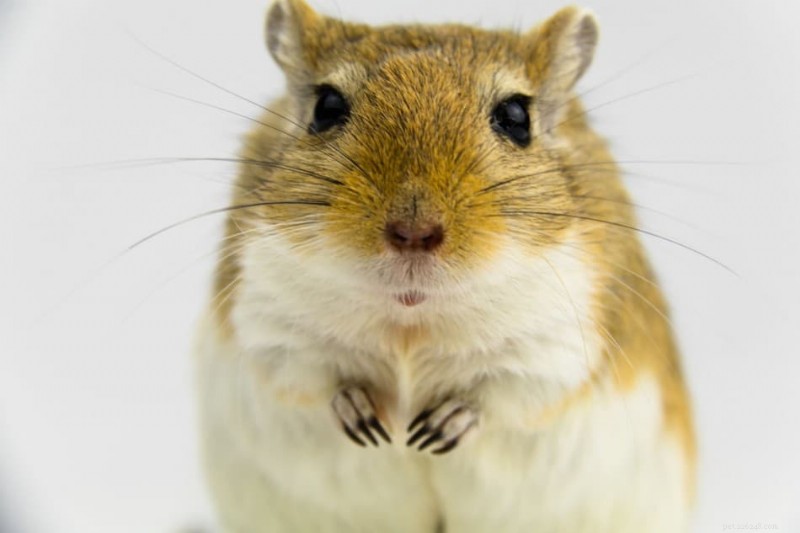
Gerbils are typically energetic and playful pets; any sudden change in activity should be evaluated for environmental factors.
When Will Your Gerbil Become Lethargic?
In a domestic setting, a gerbil may start to appear lethargic when the room temperature dips below 55°F (13°C). You might notice:
- Reduced movement and slower reflexes.
- Heavier body posture, as if the animal is physically sluggish.
- Increased food consumption, as the instinct to stockpile calories kicks in.
- Occasional spasms or stiffness, especially if exposed to sudden drafts.
These signs are not indicative of illness or death; rather, they reflect a natural physiological response to cold.
How Long Does the Cold‑Induced Torpor Last?
Gerbils will remain in this torpor‑like state until the ambient temperature rises to a comfortable level. As soon as the temperature climbs above 55°F (13°C), they typically regain normal activity within a few hours. If spasms or continued lethargy persist after relocating the cage to a warmer area, a veterinary evaluation is advised.
Preventing Cold‑Induced Lethargy in Your Pet
To keep your gerbil healthy and active during winter, follow these guidelines:
- Maintain a consistent room temperature between 65°F and 75°F (18°C–24°C).
- Place the cage away from drafty windows, vents, or doors that may channel cold air.
- Use a heat‑conserving bedding material and consider adding a safe, small heat source if temperatures drop near the lower limit.
- Monitor the cage temperature with a reliable thermometer; adjust heating or ventilation as needed.
- Provide a balanced diet rich in protein and fiber to support energy needs during cooler months.
Conclusion: Do Gerbils Hibernate?
Gerbils do not hibernate in the traditional sense, but they can enter a temporary, hibernation‑like state when temperatures fall below 55°F (13°C). By ensuring a stable, warm environment and preventing exposure to cold drafts, you can keep your gerbil active, healthy, and comfortable throughout the winter.
- Top 10 Must-Read Posts from The Contemporary Pet in 2017
- Is It Safe for Dogs to Live Outdoors During Winter?
- How Long Floppy Ears Aid Scent Hounds in Tracking
- Expert Guide to Natural Pain Relief for Cats
- 25 Iconic Black & White Dog Breeds – Full Guide & Photos
- Selective Breeding in Dogs: Definitions, Ethics, and Modern Practices
- Do Dogs Detect Bed Bugs? Trusted Insights for Homeowners