

How to Train Your Guinea Pig: Expert Tips for Positive Reinforcement
Did you know your furry companion holds untapped potential? Small pets like guinea pigs thrive when engaged with positive‑reinforcement activities that stimulate their sharp minds. Their curious nature and eagerness to interact make them quick learners when trained with consistent, reward‑based methods.
Their calm disposition makes them ideal partners for learning routines. Short, daily sessions provide both physical activity and a chance to strengthen your bond. Simple games such as retrieving objects or responding to cues become exciting challenges that keep their brains active.
Beyond amusement, training offers practical advantages. Teaching cooperative behaviours simplifies health checks and grooming. Imagine your pet happily hopping onto a scale or navigating a simple obstacle course—these achievements build confidence for both of you.
With repetition and tasty incentives, even novice owners can master foundational techniques. Whether encouraging playful spins or fostering communication through gentle interactions, every success deepens the bond. Ready to transform routine care into joyful collaboration?
Understanding Your Guinea Pig’s Behavior
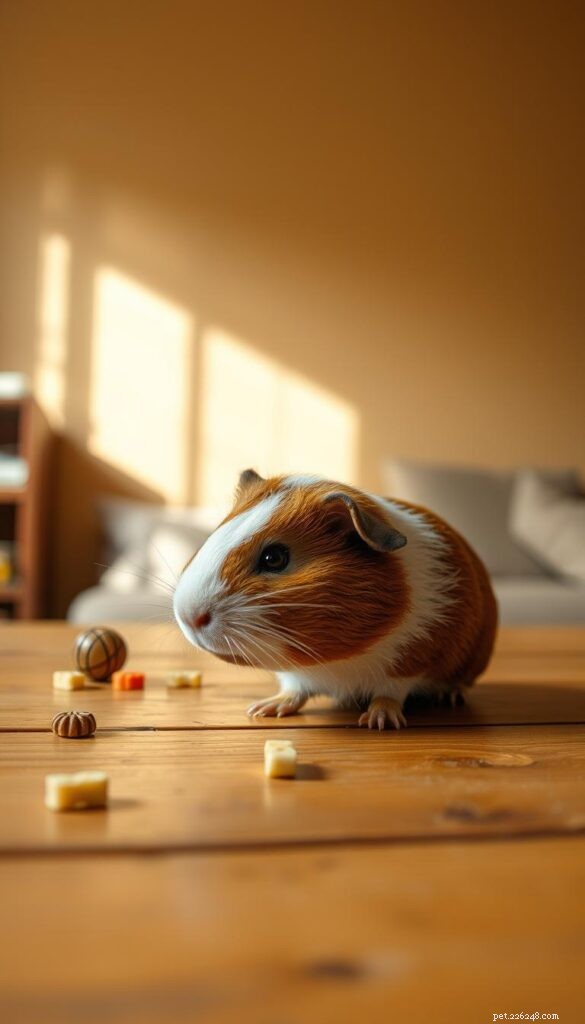
What drives these social creatures? Observing daily habits reveals clues about their comfort zones and learning styles. Watch for moments when your pet explores new objects or responds to sounds—these natural tendencies shape effective training strategies.
Observing Natural Tendencies and Traits
Notice when your companion feels most active. Morning munching sessions or evening "popcorn" jumps indicate prime training windows. Shy pets may prefer quiet interactions, while bold ones enjoy exploratory challenges.
Food motivation varies. Some go wild for cilantro, others for crunchy carrots. Track reactions to different rewards during playtime to discover what sparks excitement.
How Positive Reinforcement Boosts Learning
Immediate treats after a desired action create clear cause‑effect links. When your pet nudges a ball, instant praise and a snack reinforce that behaviour, building trust through predictable outcomes.
Consistency turns random successes into reliable responses. Pair verbal cues like “spin” with hand motions during feeding times. Over multiple sessions, your pet will associate the command with the action that earns rewards.
Personality plays a key role in progress speed. Patient encouragement helps cautious pets gain confidence, while curious ones thrive on varied challenges. Celebrate small victories to keep motivation high for both of you.
Preparing for Training Success

Unlocking your pet’s learning abilities starts with smart preparation. Discover their favorite incentives and create ideal conditions for focused interaction. This foundation turns routine sessions into productive bonding moments.
Choosing the Right Environment and Timing
Pick a quiet area free from loud noises or sudden movements. A cozy corner with familiar bedding works well for building confidence. Avoid spaces near windows or busy household areas.
Schedule practice when your pet is alert but not starving. Mid‑morning or early evening—30 minutes after meals—often yields the best focus. Watch for signs of curiosity, like sniffing or exploring, before starting.
Identifying Your Guinea Pig’s Favorite Rewards
Test various fresh veggies to find their top motivator. Crunchy bell peppers or leafy greens usually spark excitement. Offer small samples during playtime and note which gets eaten first.
| Treat Type | Appeal Level | Preparation Time | Best For |
|---|---|---|---|
| Broccoli florets | High | 2 minutes | Short sessions |
| Kale leaves | Medium | 1 minute | Daily rewards |
| Bell pepper slices | Very High | 3 minutes | Complex tasks |
Pair these snacks with cheerful praise for maximum impact. A gentle “Good job!” or soft clapping reinforces positive actions. Consistency in both treats and encouragement builds trust faster.
Make sure to rotate rewards occasionally to maintain interest. Fresh herbs or occasional fruit pieces can add variety while keeping training engaging.
Training Basics: Simple Tricks and Commands
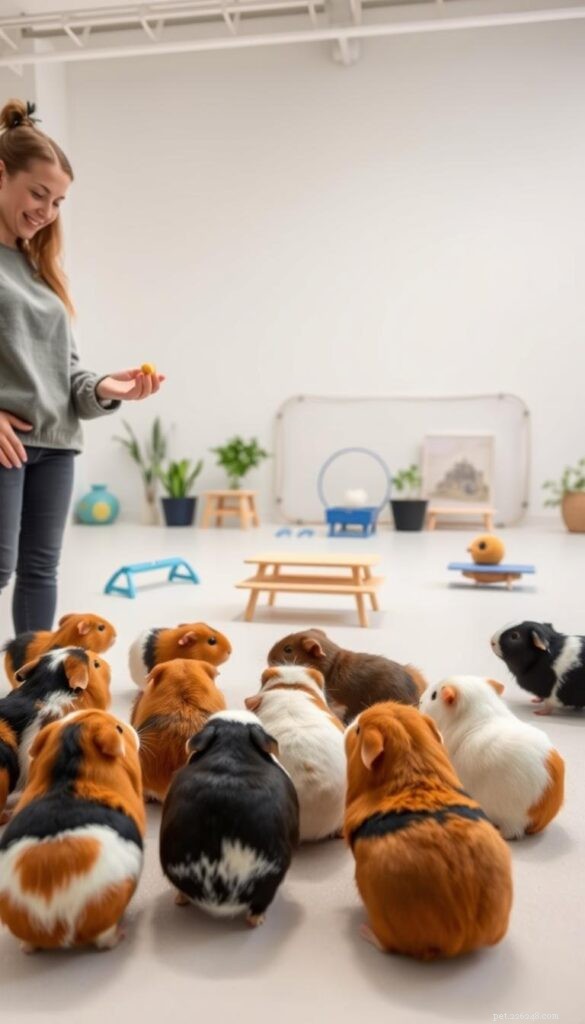
Discover the joy of teaching your furry friend new skills. Focus on foundational behaviours that combine mental stimulation with physical activity. Short, engaging interactions work best for these quick learners.
Starting with Simple Tricks and Commands
Begin with easy actions like responding to their name or following a treat. Use a clear verbal cue such as “Come!” paired with an open palm gesture. Reward immediately when they move toward you.
Simple spins or standing up work well for building coordination. Hold a favourite snack slightly above their head while saying “Up!” to encourage natural movements. Keep attempts brief—three to five repetitions per session.
| Trick | Command | Reward Tip |
|---|---|---|
| Spin | “Twirl” + hand motion | Bell pepper slice |
| Come | Name + open palm | Cilantro leaf |
| Jump | Tap target stick | Small apple piece |
Building a Consistent Training Routine
Schedule practice at the same time daily, ideally when your pet is most active. Post‑meal sessions prevent digestive issues while maintaining food motivation. Use a dedicated space free from distractions.
Track progress in a journal to identify patterns. Note which rewards spark the fastest responses. Most companions master basic commands within 2‑3 weeks of daily 10‑minute sessions.
Always finish with a success, even if you need to simplify the task. This positive reinforcement keeps your pal eager for the next challenge. Celebrate breakthroughs with extra playtime!
Setting Up a Safe and Stimulating Training Area
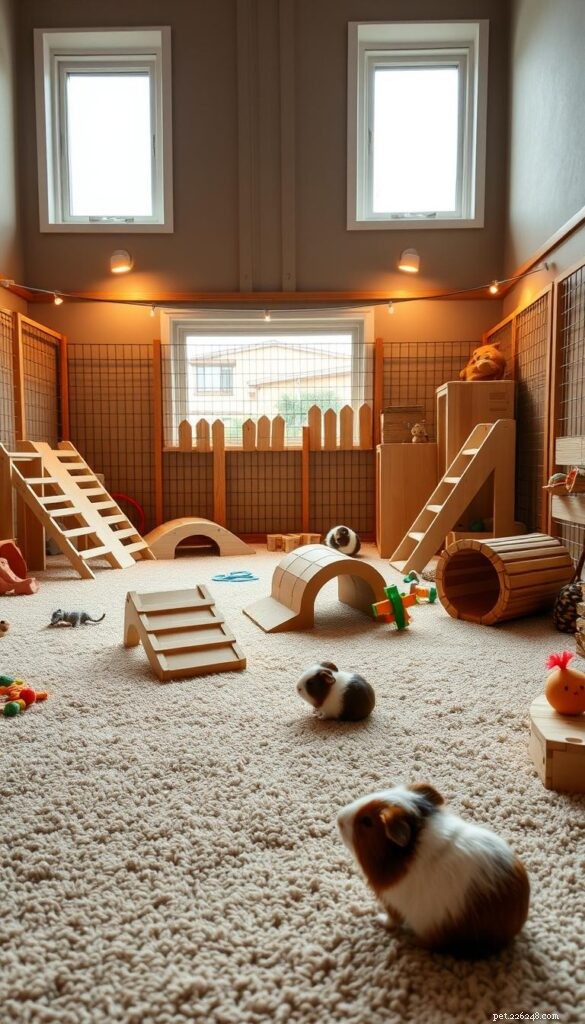
Creating the perfect learning environment starts with thoughtful setup. A dedicated space helps your pet focus while feeling protected. Choose locations away from loud appliances or high‑traffic zones to minimise stress.
Designing a Distraction‑Free Space
An exercise pen works best for creating boundaries. These enclosures provide security while allowing room to explore. Non‑slip flooring like rubber mats prevents slips during active sessions.
Include a cozy hideout for quick breaks. Cardboard boxes or small tents offer retreats when your pal feels overwhelmed. Pair these with familiar bedding to boost comfort levels.
| Feature | Importance | Example |
|---|---|---|
| Enclosed walls | Prevents escapes | 24″ tall pen |
| Soft lighting | Reduces anxiety | Dimmable lamp |
| Multiple zones | Supports varied activities | Training mat + play area |
Gradually introduce shy pets to the space. Start with 5‑minute visits before training begins. Leave water and favourite veggies inside to build positive associations.
Always check for hazards like loose wires or sharp edges. Remove chewable objects and secure any unstable structures. This attention to detail keeps your companion safe while learning new skills.
Litter Training and Potty Habits for Guinea Pigs
Did you know a single energetic cavy can leave up to 100 droppings daily? Managing this natural output becomes simpler with smart bathroom habits. Teaching proper litter‑box use creates cleaner living spaces while strengthening your bond through cooperative routines.
Why Bother With Bathroom Basics?
A designated potty area cuts cleaning time by half in many cases. You’ll spend less money replacing soiled bedding and more time enjoying play sessions. Consistent hygiene practices also reduce odor buildup in their cage.
Crafting the Perfect Potty Zone
Start by observing where your pals naturally do their business. Place shallow trays filled with paper pellets or fleece liners in these spots. For Type 2 “free‑range poopers,” scatter multiple small boxes around their space.
Add a hay rack near the litter area—many cavies snack while relieving themselves. Gently move stray droppings into the box during spot checks. Celebrate successes with bell pepper slices to reinforce good habits!
Remember: patience wins the race. Some master bathroom etiquette in weeks, while others need months. Either way, you’ll appreciate the cleaner environment and extra bonding moments this training brings.
FAQ
Can you litter train guinea pigs?
Yes! Many guinea pigs can learn to use a litter box. Start by placing the box in a corner where they naturally go. Use paper‑based bedding or hay, and reward them with a treat when they use it correctly. Consistency works best.
What treats work best for training?
Fresh veggies like cilantro, bell peppers, or small carrot pieces are ideal. Avoid sugary fruits. Pair treats with verbal praise to reinforce good behaviour. Keep portions tiny to avoid overfeeding.
How long does training take?
It varies! Some learn basic commands in days, while others need weeks. Short, daily 5‑10 minute sessions work better than long ones. Patience and repetition are key—never force participation.
Do guinea pigs respond to clicker training?
Absolutely! A clicker helps mark desired actions, like hopping onto a platform. Pair the click with a treat immediately. This method builds trust and makes learning tricks easier.
How do I stop my guinea pig from getting distracted?
Choose a quiet room with minimal noise. Remove other pets during sessions. Use a playpen or small area to limit wandering. Fleece‑lined surfaces or a familiar blanket can help them focus.
Should I use a specific litter box setup?
Start with shallow, low‑sided boxes for easy access. Place one in their favourite potty corner and others near food/water areas. Paper pellets or recycled bedding are odor‑absorbent and safe if ingested.
Can older guinea pigs learn new habits?
Yes! Age isn’t a barrier. Older pets might take longer, but gentle encouragement and routine still work. Focus on simple tasks first, like coming when called or entering a carrier willingly.
- Your First Home Grooming Guide: Caring for Your New Dog
- Eliminate Unwanted Dog & Cat Behaviors Using Emotional Freedom Technique
- Horse Dental Anatomy: From Incisors to Molars
- The Complete Grooming Guide for Your Maltese‑Shih Tzu
- Do Cats Make Good Therapy Animals? Find Out How They Can Help
- 15 Stylish Names for Black Cats — From Salem to Midnight
- Do Tarantulas Pose a Threat to Humans? Understanding Their Aggression Levels