

Can Guinea Pigs Eat Cucumber Skins?
If you’re a proud owner of these adorable pets, you’ve likely wondered about the best treats to offer. Crunchy, hydrating veggies like cucumbers often make the list—but what about the skins? Let’s dive into what makes this part of the vegetable a surprisingly smart choice.
The outer layer of cucumbers packs a nutritional punch, offering more fiber and vitamins than the watery flesh. For small herbivores, fiber is essential for digestion, and the peel delivers it in spades. Many pets even prefer the texture of the skin over the softer interior!
You might worry about seeds or pesticides, but rest easy: cucumber seeds are safe for your furry friend. Unlike some fruits or vegetables, there’s no need to remove them. Just wash the skin thoroughly to eliminate any chemical residues before serving.
Including this veggie in their diet supports overall health while adding variety to meals. We’ll break down why experts recommend cucumber skins, how often to serve them, and tips for introducing new foods safely. By the end, you’ll feel confident making informed choices for your pet’s wellbeing.
Understanding Guinea Pig Diet Essentials
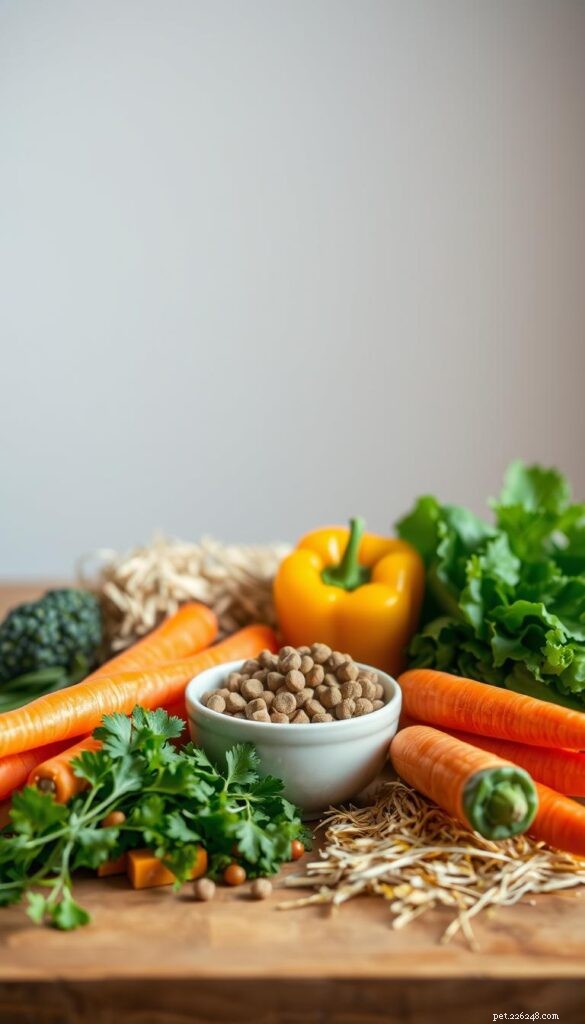
Building a healthy menu for your furry companion starts with knowing their core needs. Unlike humans, these small herbivores require specific foods to thrive—and skipping key elements could lead to health risks.
The Role of Hay and Pellets
Hay isn’t just bedding—it’s the backbone of their diet. Unlimited timothy or orchard grass keeps their digestive system moving and wears down ever-growing teeth naturally. Pair this with vitamin C-fortified pellets, since they can’t produce this nutrient themselves.
Nutrient Needs and Vitamin C Requirements
Without 10-50 mg of daily vitamin C, scurvy becomes a real threat. Leafy greens like bell peppers or kale help meet this need. Combine these with 250g of daily veggies to create a balanced plate that supports immunity and energy levels.
Remember: treats like cucumber skins should enhance—not replace—these essentials. By prioritizing hay, pellets, and vitamin-rich greens first, you’ll build a foundation for lifelong health.
Nutritional Breakdown of Cucumbers for Your Guinea Pig
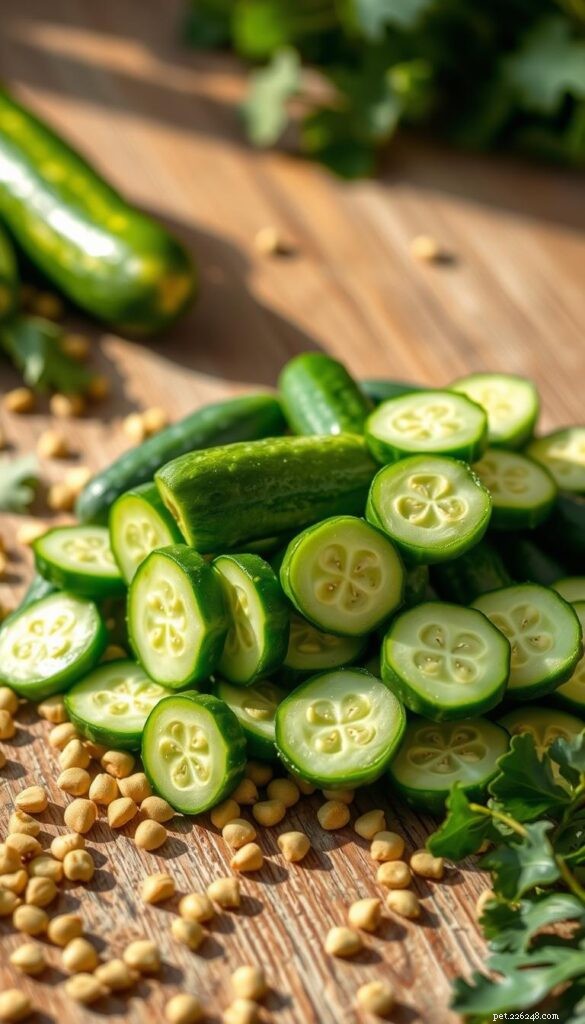
Curious what makes this crisp veggie a smart snack? Let’s unpack its nutritional profile to see how it supports your pet’s health.
Key Vitamins and Minerals
A 100g serving delivers 2.8-5.3 mg of vitamin C—helping meet daily needs without overloading their system. While not the richest source, it complements leafy greens in their diet. You’ll also find 14-16 mg of calcium per serving, which strengthens bones but requires careful monitoring to avoid bladder stones.
With just 1.7g of sugar, these veggies are safer than many fruits. The low fiber content (0.5g) means they’re gentle on sensitive stomachs too.
Water Content and Hydration Benefits
Crunchy slices are 96% water, making them ideal for hot days. This natural hydration boost helps prevent dehydration, especially if your pet avoids drinking from bottles. Pair cucumber slices with calcium-rich veggies like bell peppers for balanced nutrition.
Though not packed with nutrients, their refreshing texture and moisture make them a summer favorite. Serve chilled for an extra cooling effect!
Can Guinea Pigs Eat Cucumber Skins?

Offering fresh veggies to your furry friend? The outer layer of this crunchy snack might surprise you. While the flesh provides hydration, the peel packs higher nutrient density—perfect for small herbivores with specific dietary needs.
Skin Versus Flesh: What’s Best?
Thin green peels contain triple the fiber of the inner flesh, supporting healthy digestion. They also hold concentrated vitamins like K and C. Many pets favor the satisfying crunch over the soft center, making it a win-win for nutrition and enjoyment.
Safety of Cucumber Seeds
Unlike some fruits, the tiny seeds pose no choking hazard. They’re packed with extra fiber that naturally wears down teeth. If your companion leaves them uneaten, don’t worry—it’s simply a texture preference rather than a health concern.
Try serving slices with both skin and seeds intact. Watch which parts disappear first! This helps you tailor future snacks while ensuring they reap all nutritional benefits. Always rinse thoroughly to remove any residue before serving.
How to Safely Introduce Cucumbers into Your Guinea Pig’s Diet
A thoughtful approach to new foods can turn crunchy cucumbers into a safe, beloved snack. Start slow and prioritize cleanliness to help your pet adjust without digestive surprises. Let’s explore practical steps to make this veggie a stress-free addition.
Proper Cleaning and Preparation
Always rinse cucumbers under cool water, scrubbing the skin gently with a veggie brush. This removes dirt and pesticide residues, especially important if using non-organic produce. For extra caution, soak slices in water for 5 minutes before patting dry.
Introduce this veggie over 3-4 days, beginning with a half-inch piece. Watch their waste consistency—firm droppings mean they’re handling it well. Organic varieties reduce chemical exposure, but thorough washing makes conventional options safe too.
Recommended Serving Sizes
Limit cucumber to 40 grams daily—about two thin slices. This fits within their required cup of mixed veggies while preventing watery stools. Chop pieces into bite-sized wedges to encourage natural chewing behavior.
Balance their plate with calcium-rich greens like romaine lettuce. Remember: variety prevents boredom and ensures balanced nutrition. Adjust portions if they leave leftovers, as preferences vary between pets.
Balancing Your Guinea Pig’s Diet with a Variety of Vegetables
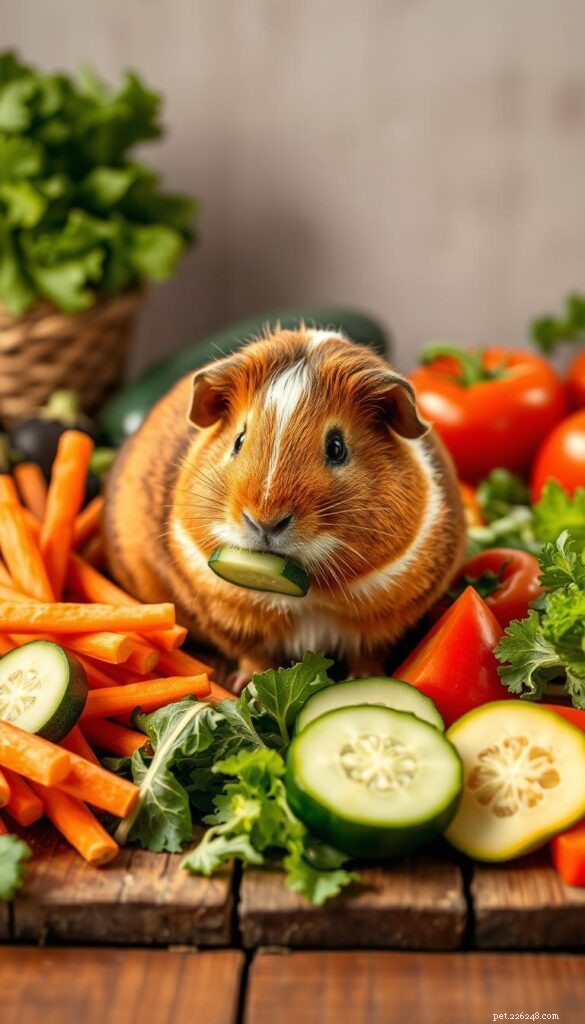
Creating a colorful veggie rotation keeps meals exciting and nutritionally complete for your small companion. While cucumbers add hydration, pairing them with texture-rich options ensures balanced mineral intake. Aim for a 1.33:1 calcium-to-phosphorus ratio across all vegetables—this supports bone health without risking bladder issues.
Building a Nutrient-Packed Plate
Mix watery cucumbers with dense veggies like bell peppers or kale. These provide concentrated vitamin C—essential for preventing scurvy. Romaine lettuce offers both crunch and nutrients, making it a daily staple. Fresh herbs like basil add flavor variety while boosting antioxidant intake.
Rotate seasonal picks like pumpkin in fall or dandelion greens in spring. This approach maximizes freshness and exposes your pet to diverse vitamins. Parsley and fennel root introduce new textures that naturally wear down teeth during chewing.
Remember: portion control matters. Two cucumber slices pair perfectly with a handful of shredded carrots or mint leaves. Watch which combinations disappear fastest—it’s a fun way to learn their favorites while maintaining nutritional harmony!
Watching for Signs of Overfeeding or Digestive Issues

How do you know when your furry friend’s snack time has gone too far? While cucumbers offer hydration, their high water content requires careful monitoring. Three key areas reveal potential issues: poop consistency, energy levels, and enthusiasm for meals.
Recognizing Unhappy Tummies
Healthy droppings should resemble firm, oval-shaped pellets. Soft or misshapen waste often signals digestive overload. Watch for these red flags:
If your piggy stops munching hay or avoids favorite foods, reduce cucumber portions immediately. Diarrhea lasting over 12 hours requires veterinary attention to prevent dehydration.
Fine-Tuning Veggie Portions
Start with 10-gram servings if introducing cucumbers for the first time. Gradually increase to 40 grams over a week while tracking waste changes. Pro tip: Weigh veggies daily using a kitchen scale for precision.
Notice watery stools? Cut portions by half and add more fiber-rich options like bell peppers. Balance is key—rotate cucumber days with lower-water veggies like zucchini to maintain digestive harmony.
Hydration Benefits: Cooling Your Guinea Pig in Hot Weather
When summer temperatures soar, that crisp green veggie becomes more than a snack—it’s a lifeline. With 96% water content, cucumber slices act like edible ice packs. They help regulate body temperature while keeping hydration levels steady.
If your furry friend skips their water bottle on sweltering days, these refreshing treats become crucial. Offer chilled slices midday when heat peaks. The cool texture provides relief while delivering moisture straight to their system.
Remember: moderation matters even during heatwaves. Stick to 1-2 thin pieces daily to avoid digestive upset. Pair with calcium-rich veggies like bell peppers for balanced nutrition. For wild-inspired hydration strategies, explore their natural diet adaptations.
Watch for bright eyes and steady energy—signs they’re thriving. If panting or lethargy persists, consult your vet. With smart hydration hacks, you’ll keep your companion cool all season!
FAQ
What should make up most of my guinea pig’s diet?
High-quality hay, like timothy or orchard grass, should be 80% of their meals. Pair this with vitamin C-fortified pellets and fresh veggies for balanced nutrition.
Are cucumbers a good source of vitamins for my pet?
Yes! Cucumbers offer vitamin K, potassium, and antioxidants. Their high water content also helps with hydration, especially during warm weather.
Should I remove cucumber skins before feeding?
Not necessarily. Skins are safe if washed thoroughly to remove pesticides. However, slice them thinly to avoid choking risks.
How much cucumber can I give at once?
Stick to 1–2 thin slices 2–3 times weekly. Overfeeding may cause bloating or diarrhea due to the veggie’s high water content.
What other veggies pair well with cucumbers?
Bell peppers, romaine lettuce, and zucchini are great options. Rotate veggies to provide diverse nutrients without overloading on one type.
How do I know if my guinea pig ate too much cucumber?
Watch for loose stools, reduced appetite, or lethargy. If these occur, cut back on watery veggies and consult a vet if symptoms persist.
Can cucumber seeds harm my pet?
Small, soft seeds in cucumbers are safe. Avoid large or hard seeds from fruits like apples, which pose choking hazards.
Do cucumbers help keep my guinea pig cool?
Absolutely! The 95% water content aids hydration. Offer chilled slices in summer, but avoid replacing fresh water in their bottle.
- Braque d'Auvergne Pointer: Behavior, Temperament, and Training Guide
- What Causes Cold Ears in Rabbits and How to Diagnose Illness
- Why Is My Dog Howling and Barking at Nothing? Expert Insights & Solutions
- Safe Bleach Use for Cleaning Pet Cages: Tips & Guidelines
- Top Eco-Friendly Cat Litters: Dust‑Free, Safe, and Sustainable
- 85+ Elegant Gray Cat Names: From Smoky to Silvery for Your Silver‑Furred Companion
- Alaskan Klee Kai: Complete Guide to Breed Traits, Care, and Health