

Why Does My Guinea Pig Lick Me? Decoding Their Sweet Licking Behavior
The gentle tap of a guinea pig’s tiny tongue during cuddle time may spark curiosity, but it’s more than a quirky habit. It’s one of the most heartfelt ways these social animals show affection and trust toward their human family members.
Just as a piglet’s excited popcorn jumps or a pup’s cheerful wheeze signal excitement, licking is a key part of a guinea pig’s communication toolbox. When they lick you, they’re telling you they feel safe, comfortable, and part of their inner circle.
This guide breaks down the science and intuition behind those delicate licks—helping you distinguish pure affection from signals that may need extra care.
By the end, you’ll feel more connected to your little companion and confident in nurturing a healthy, loving relationship.
Understanding Guinea Pig Licking Behavior
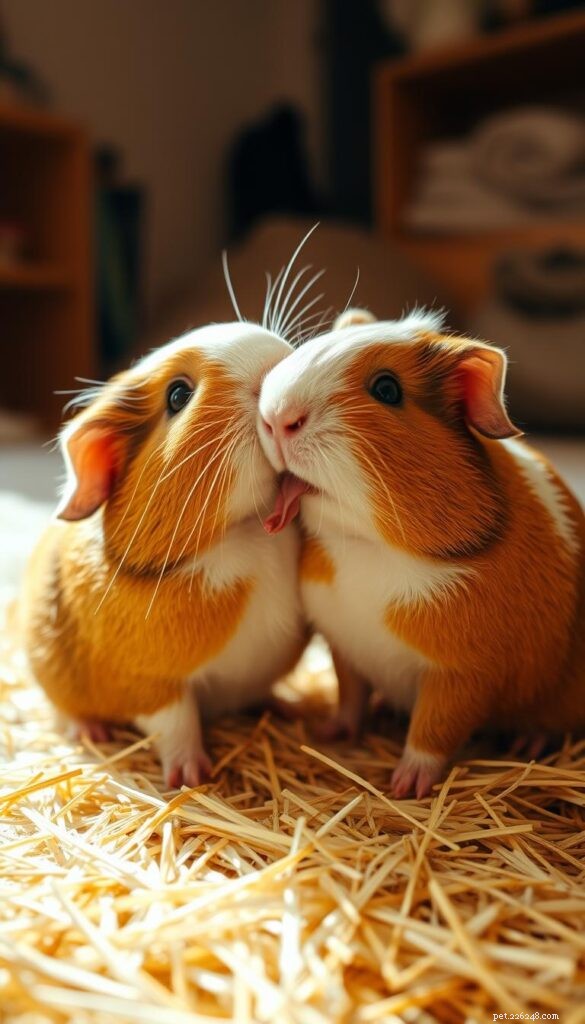
When your small friend starts grooming your hand, it’s a window into their social world. Licking is the primary language they use to build bonds and maintain group harmony.
The Role of Affection and Bonding
In the wild, mutual grooming strengthened survival bonds within herds. Domesticated guinea pigs carry this instinct forward, using licks to say “you’re family.” When they groom you, they’re inviting you into their trusted circle—a clear sign of comfort.
| Wild Behavior | Domestic Behavior |
|---|---|
| Groomed 10+ herd members | Licks human caregivers |
| Established hierarchy | Shows submission/trust |
| Removed parasites | Maintains clean fur |
Normal Self‑Grooming Habits
These fastidious animals spend hours daily tending their fur. Regular self‑licking keeps their coat healthy and signals contentment. If you notice frequent grooming, celebrate—it means your pet feels secure!
To deepen your bond, observe their routine. Consistent licking patterns paired with relaxed body language show they’re thriving in your care.
Exploring the Reasons Behind Licking
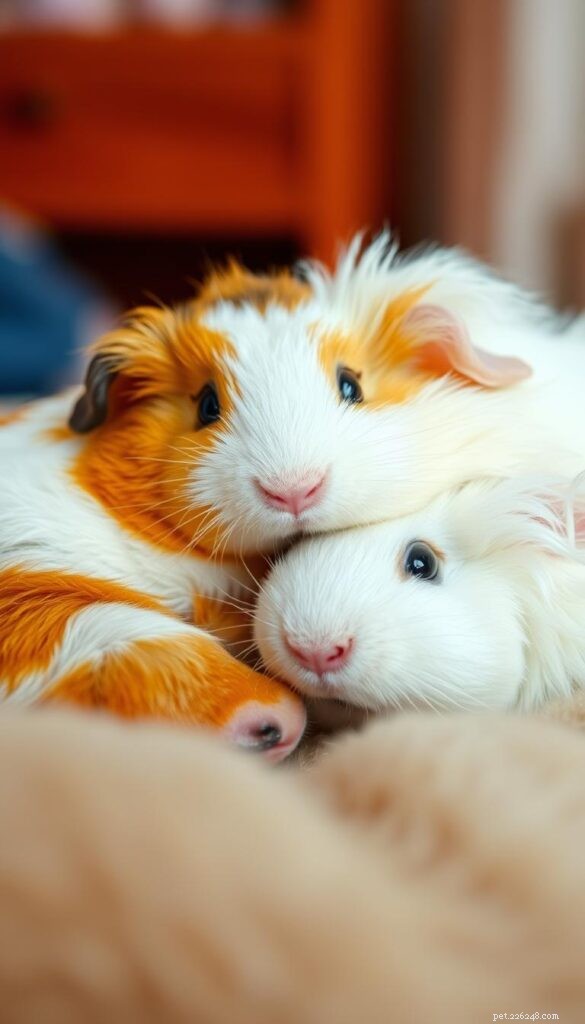
Those gentle licks carry more meaning than you might think. Let’s break down what your pet’s affectionate gestures truly signify.
Licking as a Sign of Love and Trust
Your pet’s tongue taps mirror how they interact with fellow cavies. In their social world, grooming equals acceptance. If they lick your fingers while snuggling, they’re saying “you’re safe and loved.”
| Social Behavior | Human Interaction |
|---|---|
| Grooms herd members | Licks familiar hands |
| Shares food politely | Nibbles gently |
| Sleeps side‑by‑side | Seeks lap naps |
Sensory Curiosity: Taste and Smell
Your skin’s natural saltiness acts like a magnet for their sensitive tongues. Combined with their 200x better sense of smell than humans, they’re essentially food detectives, often investigating lunch remnants on your sleeves.
When they pause grooming to lick your palm, it’s both a taste test and a tiny love letter rolled into one.
Common Causes Behind the Licking
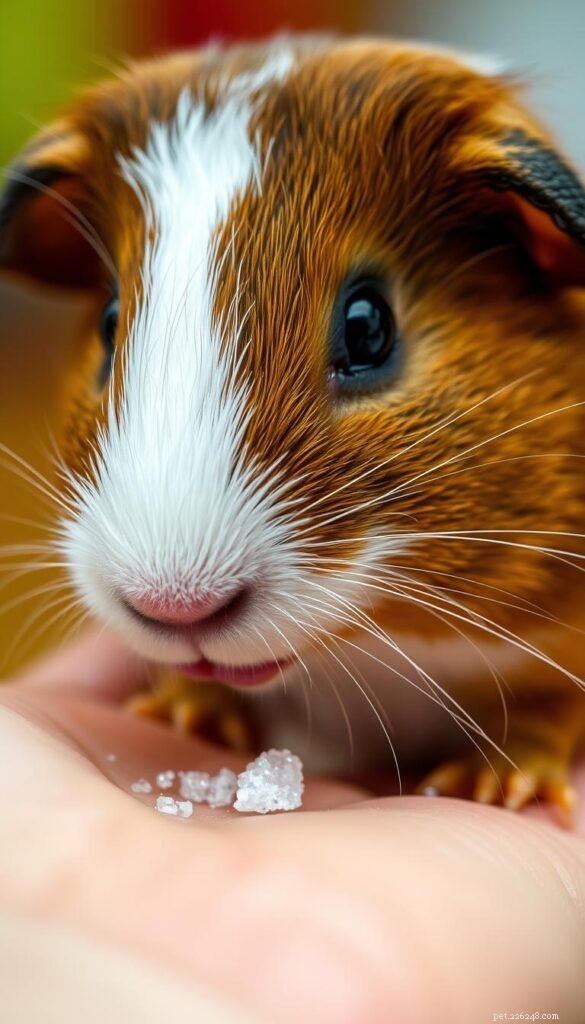
Those delicate tongue taps often stem from two delightful quirks of guinea pig biology. Let’s decode what turns your hands into irresistible targets for these furry food critics.
Enjoying the Salty Taste of Your Skin
Your skin’s natural salt content is a mineral buffet for these little connoisseurs. After exercise or sun exposure, sweat amplifies this salty allure—think of it as nature’s seasoning that makes your fingers resemble their favorite treats.
Fun fact: Their tongues have specialized receptors that detect sodium. This explains why they’ll persistently lick areas like knuckles or wrists where salt concentrates.
Attracted by Food Scents and Residues
With noses 200x sharper than ours, they detect apple slices or cilantro you handled hours earlier. Even faint food traces spark curiosity, turning your palm into a sensory scavenger hunt.
- Wash hands before cuddles to avoid overwhelming them
- Use unscented soap to preserve their sensitive sniffers
- Offer veggie pieces post‑handing to redirect food focus
This tasting behavior isn’t just about snacks—it’s how they map their world. For more insights into their charming habits, explore guinea pig bonding cues. Remember, a lick‑filled session means you’ve earned their trust as both caregiver and snack curator!
When Licking May Signal Other Issues
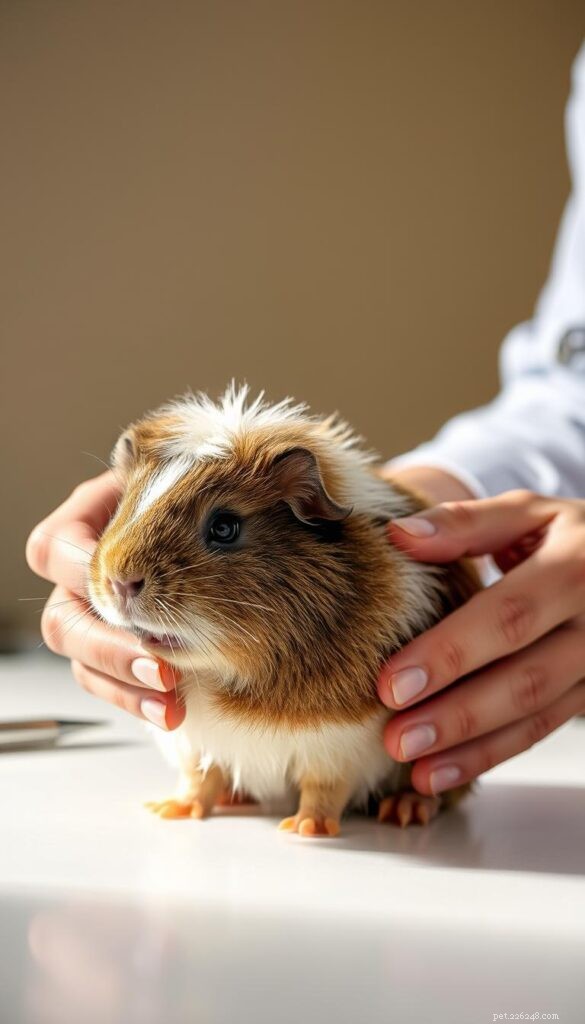
While those tiny licks often warm your heart, sudden changes in pattern could hint at hidden concerns. Observing your companion’s habits helps separate casual grooming from potential health alerts.
Excessive Licking and Skin Concerns
Persistent focus on one area often reveals trouble. Check between toes, behind ears, and along the belly for redness, flaky skin, or missing fur. Parasites like mites create intense itchiness, while fungal infections leave crusty patches.
Injuries from cage mates or sharp objects also demand attention. A guinea pig repeatedly licking a paw might have a splinter, while mouth‑focused grooming could signal dental pain. Always consult an exotic vet if sores appear or hair loss spreads.
Behavioral Clues Indicating Discomfort
Stress transforms gentle licks into frantic nibbles. Watch for raised fur, pinned‑back ears, or high‑pitched squeaks during handling. An anxious companion might lick then suddenly dart away—a stark contrast to relaxed “pancaking” during happy snuggles.
Schedule weekly health checks. Gently part their coat looking for wounds, lumps, or parasites. Early detection prevents minor issues from escalating. Remember: sudden behavioral shifts paired with obsessive grooming always warrant professional insight.
Tips to Strengthen Your Bond with Your Guinea Pig
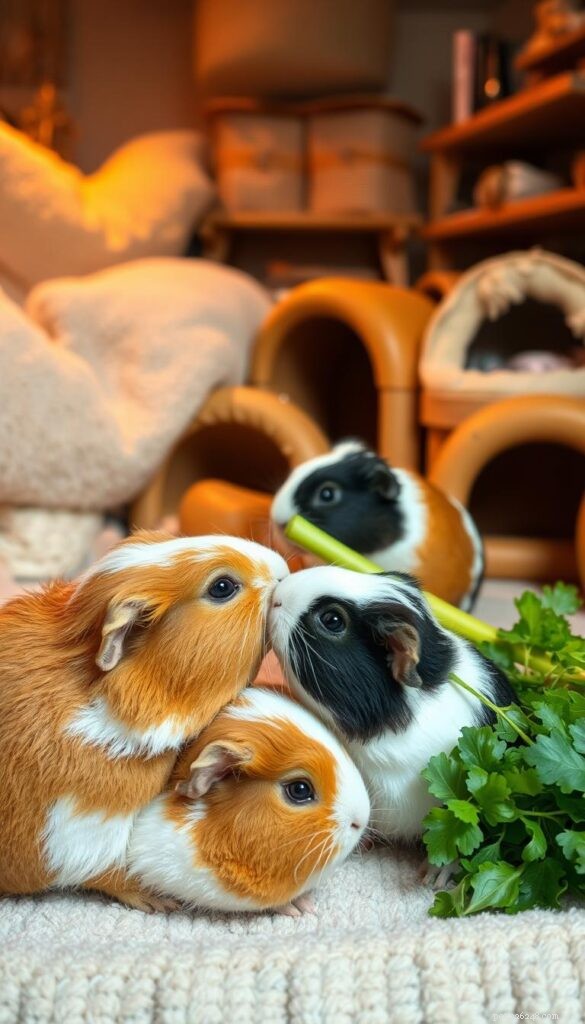
Building a strong bond with your small companion requires understanding their natural instincts as prey animals. These social creatures thrive when they feel safe, which means patience and consistency are key.
Effective Handling and Daily Care
Start by spending quiet moments near their space. Sit beside their enclosure while reading or chatting softly—this helps them associate your presence with calmness. Gradually introduce hand‑fed treats like bell peppers or cilantro to create positive associations.
When lifting your furry friend, always support their entire body. Move slowly and lower them onto a soft surface first. Watch for relaxed “popcorn” jumps versus tense freezing—these cues tell you when they’re comfortable or need a break.
Enhancing Their Environment for Mental Stimulation
A stimulating habitat keeps curious minds engaged. Rotate cardboard tunnels weekly and hide leafy greens in paper bags for foraging fun. Add platforms for climbing and chew toys made from untreated wood.
| Basic Setup | Enriched Setup | Bonding Benefit |
|---|---|---|
| Food bowl + water | Interactive puzzle feeders | Encourages problem‑solving together |
| Single hideout | Multi‑level tunnels | Promotes exploratory play |
| Static toys | Rotating toy selection | Maintains novelty and interest |
Consistency builds trust. Stick to regular feeding times and gentle grooming sessions for long‑haired varieties. Celebrate progress like voluntary lap visits or relaxed purring—each step forward strengthens your unique relationship. For more trust‑building strategies, focus on respecting their pace while offering endless patience.
Closing Insights on Guinea Pig Love and Licking
Every tender lick from your small friend celebrates the unique bond you’ve nurtured. These gentle gestures often mean trust and comfort—a sign your pet sees you as part of their cherished circle. Not all companions express fondness through grooming, and that’s perfectly normal!
Some animals show devotion through excited wheeks or cozy naps in your lap. Respect their individual personality—whether they’re a frequent groomer or a shy observer. Building mutual understanding takes time, especially with sensitive pets adjusting to new environments.
While licking hands usually reflects contentment, stay attentive to sudden changes. Persistent grooming in one spot or unusual behavior warrants a vet visit. Most importantly, treasure the ways your furry family member chooses to connect.
Each interaction—from snack‑sharing routines to quiet moments together—strengthens your special relationship. Keep observing, learning, and celebrating the delightful quirks that make your pet one‑of‑a‑kind!
FAQ
What does it mean when my guinea pig licks me?
Licking often shows affection and trust. Your pet might be bonding with you or exploring your scent and taste. It’s a common way these social animals communicate comfort.
Could licking indicate my guinea pig wants something?
Sometimes! They might crave attention, enjoy the salty taste of your skin, or associate you with treats. Watch for other cues like wheeking or nudging to understand their needs.
Is excessive licking a cause for concern?
Occasional licks are normal, but constant licking paired with scratching or fur loss could signal skin irritation, allergies, or stress. Consult a vet if unusual behavior persists.
How can I encourage a stronger bond with my pet?
Spend time daily handling them gently, offering veggies, and enriching their space with tunnels or chew toys. Consistency and patience build trust over time.
Do guinea pigs groom their owners like other pets?
Unlike cats or dogs, they rarely groom humans for cleanliness. Their licks are more about curiosity, taste, or showing fondness as part of their social nature.
Should I wash my hands after being licked?
It’s wise to rinse hands post‑interaction. While harmless, residues from lotions or food might tempt overlicking. Use unscented soap to keep their sensitive noses happy.
- Acupressure: A Proven Relief Technique for Shelter Animals' Anxiety and Fear
- Discover 7 Proven Benefits of Doga: Boost Your Dog’s Health & Strengthen Your Bond
- Expert Nutrition Guide for Dogs with Kidney Disease
- Music’s Impact on Cats and Dogs: Enhancing Calm and Connection
- Are You Walking Your Dog Wrong? Discover Expert Tips for Healthier, Happier Walks
- Aromatherapy & Pet Care: Essential Tips for New Dog & Cat Owners
- Discover 8 Cat Breeds with Unique Vocal Identities