

Alfalfa Sprouts for Guinea Pigs: Safe, Portioning, and Feeding Tips
Many guinea‑pig owners wonder whether they can add fresh sprouts to their pet’s diet. While alfalfa sprouts are nutrient‑dense, small herbivores have unique nutritional needs that demand careful portioning and balance.
Understanding Guinea Pig Nutrition
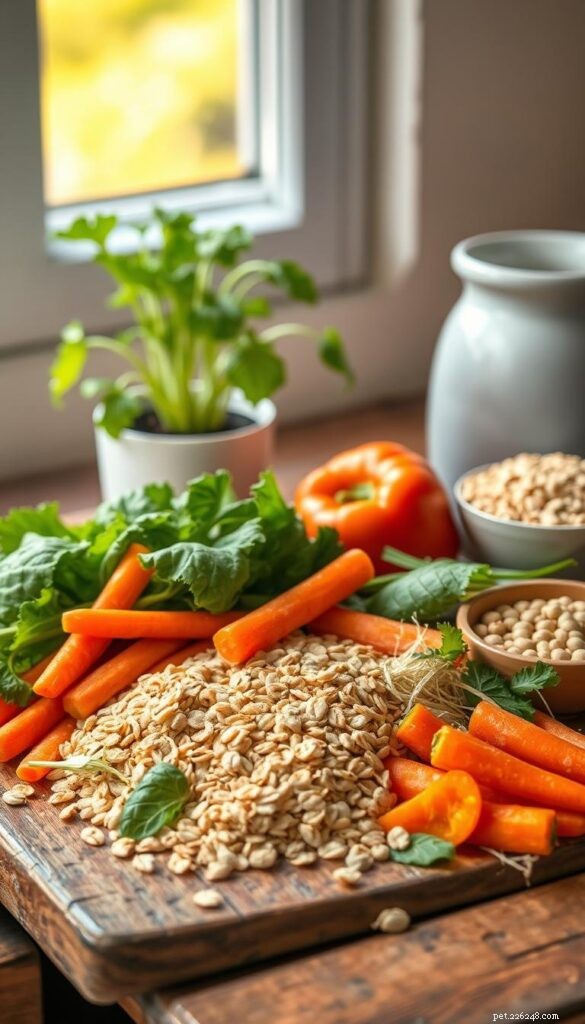
Proper nutrition keeps your companion thriving at every life stage. Guinea pigs require plant‑based meals packed with specific vitamins and minerals that support their unique physiology. A balanced diet prevents deficiencies while avoiding dangerous excesses.
Key Nutrients Your Pet Needs
Vitamin C tops the priority list—your guinea pig cannot synthesize it naturally. Aim for 10–30 mg daily per kilogram of body weight through fresh veggies like bell peppers or kale. Inadequate vitamin C increases the risk of scurvy dramatically.
Calcium must be carefully balanced. While vital for bone strength, excess calcium can lead to bladder stones. Pair calcium‑rich foods with low‑oxalate greens to maintain harmony. Phosphorus and B‑vitamins also support energy metabolism and nerve function.
The Fiber Factor
Fiber keeps their digestive system moving smoothly. High‑quality hay should make up 80 % of meals, mimicking their wild foraging habits. This roughage prevents gut stasis—a life‑threatening condition where digestion slows or stops.
Rotate vitamin‑A sources like carrots and spinach for eye health. Introduce new foods gradually to avoid tummy troubles. With the right mix of nutrients and fiber, you’ll support both physical health and playful energy.
The Natural Diet vs. Domesticated Feeding Needs
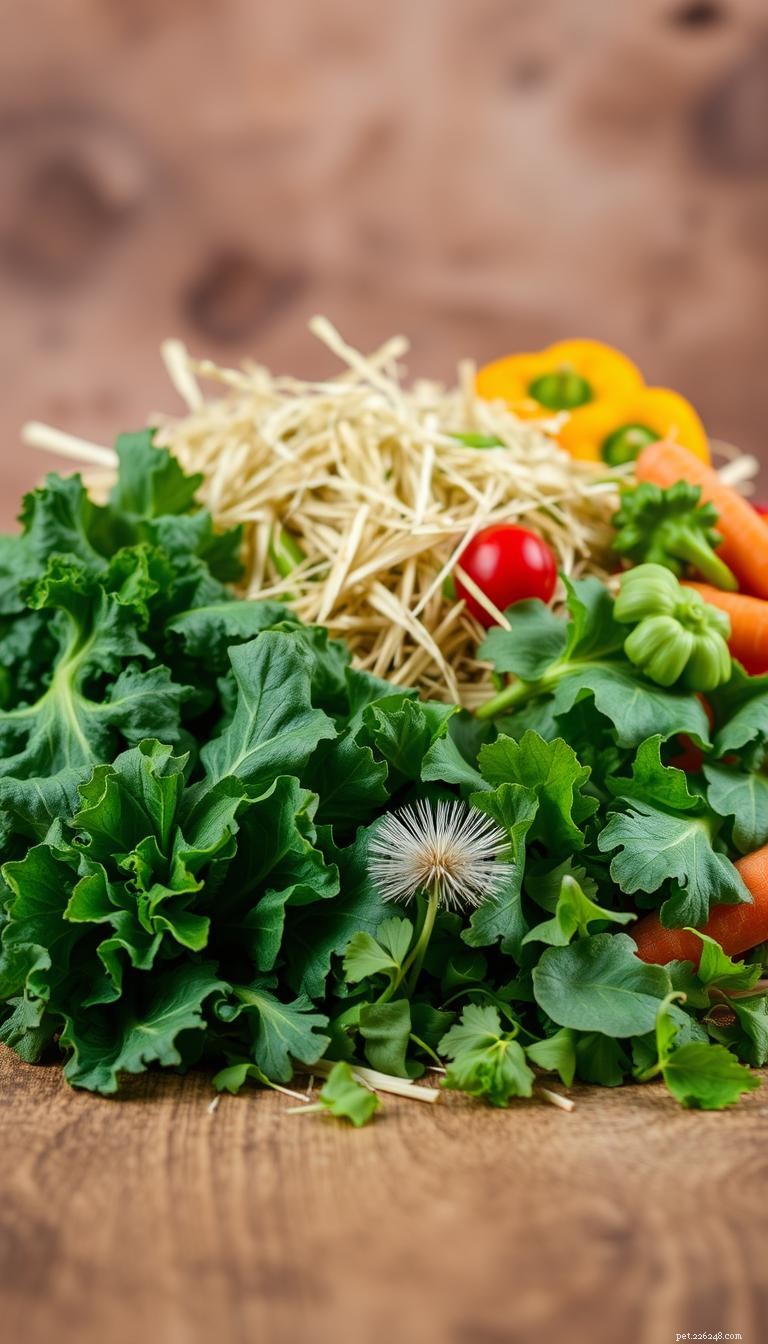
Wild ancestors of your pet roamed South America’s Andes Mountains, nibbling on fiber‑rich grasses and hardy herbs. Their bodies evolved to process low‑calorie, high‑roughage meals eaten throughout the day. Modern pets retain this need for constant grazing—even if their food bowls never empty.
Domestic diets often include calorie‑dense items like commercial pellets or sweet treats. While convenient, these lack the fibrous structure their digestive systems require. Processed snacks can lead to weight gain or dental issues when overfed.
Three key differences shape feeding strategies:
- Wild diets: 90 % grasses/weeds, 10 % occasional plants
- Domestic diets: 50–70 % hay, 20 % vegetables, 10 % pellets
- Natural calcium sources vs. fortified foods
Your furry friend’s meals should mirror ancestral patterns. Offer unlimited timothy or orchard hay—this mimics all‑day foraging. Leafy greens and pellets add nutrients without overwhelming their system. Avoid sudden changes; introduce new items slowly over 7–10 days.
Remember: Those pleading eyes for extra treats don’t mean their bodies need them. Stick to hay‑first feeding to support both physical health and natural behaviors.
Introducing Alfalfa Sprouts into Your Guinea Pig’s Diet
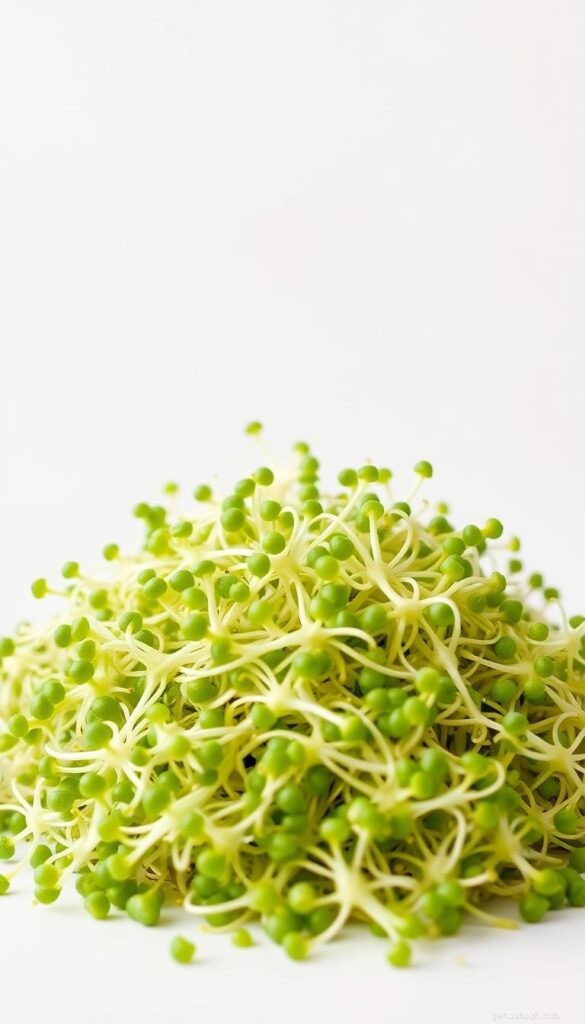
Adding variety to your pet’s plate can boost their health when done thoughtfully. These crunchy greens pack nutrients but require smart serving strategies to avoid pitfalls. Let’s explore how to balance their benefits with safety measures.
Benefits of Alfalfa Sprouts
Vitamin C‑rich sprouts help prevent scurvy—a common concern for these pets. One cup provides 14 % of their daily needs, supporting immunity and skin health. Antioxidants like beta‑carotene also promote cellular repair.
| Nutrient | Alfalfa Sprouts | Bell Peppers | Kale |
|---|---|---|---|
| Vitamin C (mg) | 8.2 | 95.7 | 35.3 |
| Calcium (mg) | 32 | 12 | 254 |
Potential Risks and Precautions
While nutritious, sprouts contain calcium levels that may cause bladder stones if overfed. Limit portions to 1–2 tablespoons twice weekly. Introduce new foods gradually—start with thumbnail‑sized pieces.
Watch for loose stools, which signal digestive sensitivity. Pair sprouts with low‑calcium veggies like cucumbers to balance mineral intake. Always consult your vet if unusual symptoms appear after dietary changes.
Can Guinea Pigs Eat Alfalfa Sprouts?
Exploring new snacks for your furry companion? Alfalfa sprouts can add variety when served carefully. These tender greens deliver vitamin C—essential for immune support—but require mindful portion control due to their calcium levels.
While not listed on HappyCavy’s primary safe‑food chart, sprouts share similarities with alfalfa‑based products recommended for young or pregnant pets. Offer them sparingly—once weekly for adults—to avoid urinary issues. Start with a teaspoon‑sized portion and monitor digestion.
- Rinse thoroughly to remove bacteria
- Mix with low‑calcium veggies like zucchini
- Discontinue if soft stools appear
Pair sprouts with timothy hay, which should make up 80 % of meals. For supplemental nutrition, consider quality guinea pig pellets formulated for balanced mineral content. Rotate vitamin‑rich foods weekly to maintain interest and nutritional diversity.
Remember: Treats should never replace core dietary elements. Schedule sprout servings between regular feedings, keeping portions smaller than a ping‑pong ball. This approach lets your pet enjoy new flavors without compromising their health.
Hay and Grass: The Cornerstone of a Healthy Diet
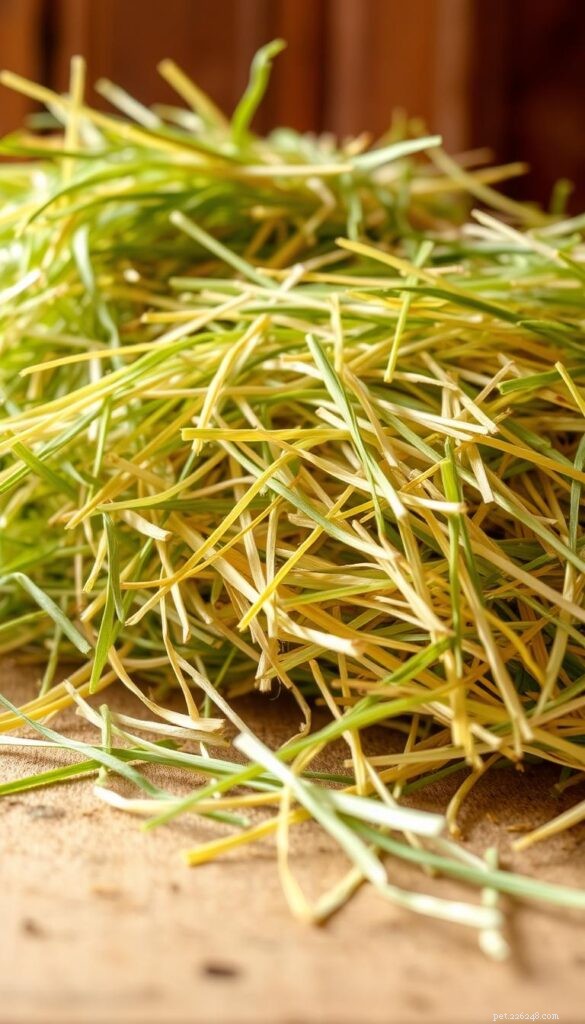
A proper diet for small pets relies on fibrous staples that mirror their natural grazing habits. Roughage like timothy hay supports digestion while keeping teeth trimmed—vital for animals that chew constantly. Fresh grass adds variety but should complement, not replace, high‑quality hay.
Selecting High‑Quality Hay
Timothy hay stands out as the top choice for adult pets due to its balanced fiber and low calcium. Look for vibrant green strands with flexible stalks—brittle or yellowed hay loses nutritional value. A sweet, earthy scent indicates proper drying, while musty odors signal potential mold risks.
Avoid dusty batches that could irritate sensitive airways. Store hay in breathable containers to maintain freshness. Rotate stock every 2–3 weeks to ensure your companion always has access to crisp, nutrient‑rich strands.
Role of Grass in Dental Health
Chewing fibrous grass creates natural friction that files down continuously growing teeth. This prevents overgrowth—a common issue that causes pain and eating difficulties. Fresh blades also provide silica, a mineral that strengthens dental structures.
Offer pesticide‑free grass alongside hay for texture variety. Remember: grass clippings require careful preparation to avoid choking hazards. Always introduce new greens gradually to monitor tolerance.
Unlimited hay access remains non‑negotiable. It maintains gut motility and satisfies instinctual chewing behaviors. Pair this staple with occasional grass treats for a diet that supports both health and happiness.
Utilizing Fresh Vegetables for Essential Vitamin C
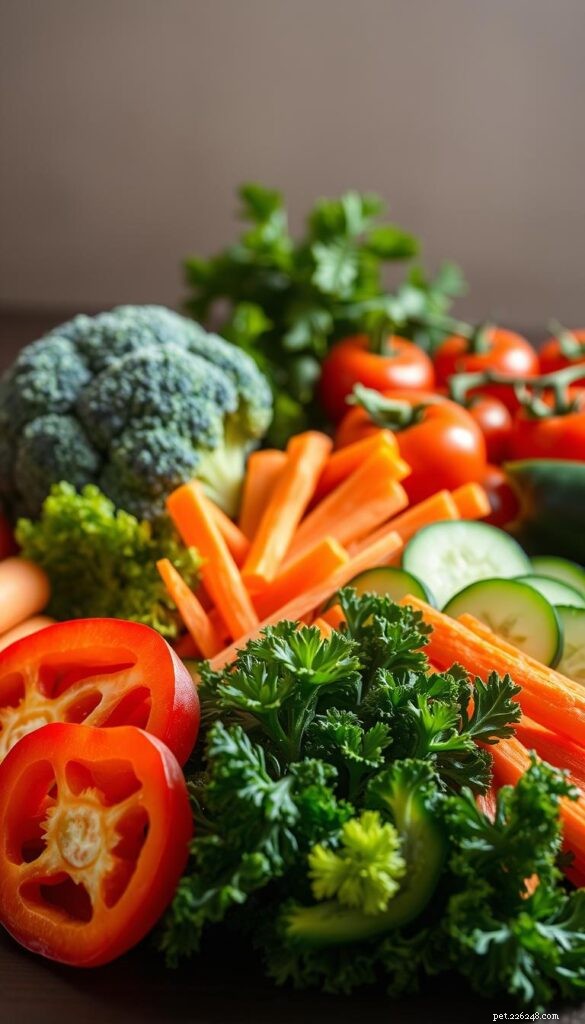
Colorful veggies do more than brighten your pet’s plate—they’re vital for preventing scurvy and boosting immunity. Leafy greens and crunchy options deliver vitamin C your companion can’t produce naturally. Rotating varieties ensures balanced nutrition while keeping meals exciting.
Top Choices for Daily Meals
Red bell peppers lead the pack with 95 mg of vitamin C per 100 g—perfect for frequent feeding. Romaine lettuce offers hydration without the gas risks of iceberg types. Cauliflower florets provide antioxidants but work best in thumbnail‑sized portions twice weekly.
| Vegetable | Vitamin C (mg/100 g) | Frequency |
|---|---|---|
| Red Bell Pepper | 95.7 | Daily |
| Kale | 35.3 | 3× Weekly |
| Broccoli | 89.2 | 2× Weekly |
Balancing Quantity and Diversity
Offer 1 cup of mixed vegetables daily, split between morning and evening feedings. Start new items like asparagus or squash with pea‑sized amounts to monitor digestion. Wash produce thoroughly and remove uneaten pieces within 4 hours to prevent spoilage.
Pair high‑vitamin options with low‑oxalate greens for mineral balance. A rotating menu of 5–6 veggies weekly covers nutritional needs while satisfying curious taste buds. Remember: Variety prevents boredom and nutrient gaps in your pet’s diet.
Incorporating Guinea Pig Pellets Effectively
When considering supplements to your pet’s meals, high‑fiber pellets can play a supporting role—if used wisely. Though not essential, these compact foods offer concentrated nutrients like stabilized vitamin C. Select timothy‑based options without sugary additives to mirror natural grazing habits.
Limit portions to 1 tablespoon daily for adult companions. Overfeeding pellets often leads to weight gain and dental problems, as chewing them requires less effort than hay. Pair this supplement with fresh veggies and unlimited grass to maintain balanced nutrition.
Look for brands that prioritize simplicity. Quality guinea pig food lists hay as the first ingredient and avoids colorful mixes with nuts or dried fruit. Check expiration dates regularly—vitamin C degrades quickly once packages are opened.
Remember: Pellets should never replace leafy greens or roughage. Use them as a backup source of nutrients rather than a dietary staple. With careful portion control and smart product choices, you’ll keep your furry friend’s meals both varied and health‑focused.
FAQ
What nutrients are essential for a balanced diet?
Your furry friend needs vitamin C daily since they can’t produce it naturally. Fiber from hay supports digestion, while calcium in moderation keeps bones strong. Always prioritize fresh veggies and high‑quality pellets to meet their needs.
How does fiber support overall health?
Fiber from timothy or orchard hay keeps their digestive system moving smoothly. It also helps wear down constantly growing teeth, preventing dental issues. Without enough roughage, they risk gut stasis or other serious problems.
Are wild and pet diets different?
Yes! Wild relatives munch on diverse grasses and plants, while pets rely on you for balanced meals. Domesticated buddies need controlled portions of veggies, limited fruits, and unlimited hay to mimic natural grazing safely.
Are alfalfa sprouts safe to feed regularly?
While rich in vitamins, these sprouts contain high calcium levels that may lead to bladder stones if overfed. Offer them occasionally as a treat—not a staple—and always pair with low‑calcium greens like romaine lettuce.
What type of hay is best for adults?
Timothy hay is ideal for grown pets due to its balanced fiber and lower calcium content. Avoid alfalfa‑based options except for young or pregnant ones needing extra nutrients. Check for fresh, sweet‑smelling batches without dust.
Which veggies boost vitamin C intake?
Bell peppers (especially red), kale, and parsley are excellent sources. Rotate options like cilantro or zucchini to add variety. Avoid iceberg lettuce—it’s mostly water and lacks nutritional value.
How much pellet food should they eat daily?
Limit pellets to ⅛ cup per day alongside unlimited hay. Choose brands fortified with vitamin C and avoid mixes with seeds or dried fruit. Overfeeding pellets can lead to obesity and selective eating habits.
- 25 Key Pet Therapy Statistics of 2022: Proven Benefits & Insights
- Effective Ways to Relieve Your Dog’s Congestion Safely
- Puppy Milk Care: Essential Dos & Don’ts for Newborns
- Golden Retriever Returns Home After 2-Year Search in Tahoe National Forest
- Train Your Dog to Fetch: Simple Steps for a Calm, Efficient Game
- Mastering the Deutscher Wachtelhund: A Complete Training Guide for Experienced Owners
- Boswellia for Pets: Natural Relief from Arthritis and Pain