

Can Guinea Pigs See in the Dark? Understanding Their Night Vision
While guinea pigs are primarily daytime animals, they do possess a modest capacity for seeing in low light. Their vision is not as sharp as a human’s, but it’s enough to navigate familiar territory with the aid of other senses.
Diurnal Nature and Limited Night Vision
Guinea pigs are diurnal, meaning they sleep at night and are most active during daylight. Consequently, their eyes are not optimized for darkness. Rod photoreceptors, which are crucial for low‑light vision, are less efficient in these animals because their photopigments are slower to recover after exposure to light.
In contrast, nocturnal species have rods that replace photopigment rapidly and larger, slit‑shaped pupils that admit more light. Guinea pigs have round pupils that remain relatively small in bright conditions, limiting the amount of light entering the eye at night.
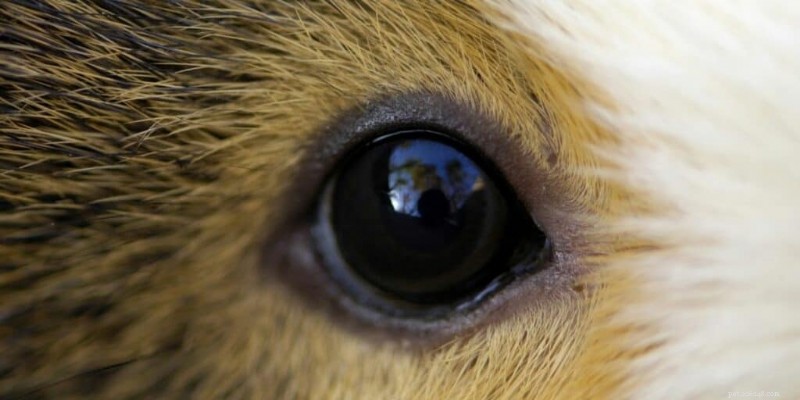
Because of these anatomical differences, guinea pigs rely heavily on scent, memory, and tactile whiskers to move around when light is scarce.
Visual Acuity and Field of View
Research indicates that a guinea pig can resolve objects up to about three feet away—roughly one third of the distance a human can comfortably see at the same level of clarity.
Their eyes are positioned on the sides of their head, granting a 340‑degree field of view. This panoramic vision is excellent for detecting predators but sacrifices depth perception, making distance judgment more challenging.
Color Vision and Hearing
Guinea pigs are trichromatic; they can perceive most colors, which helps them differentiate objects in their environment. Additionally, their hearing surpasses that of humans, with a funnel‑shaped ear that pinpoints sound direction. The fine whiskers on their muzzle act as tactile sensors, informing them whether an opening is passable.
Practical Takeaways for Caretakers
While your guinea pig can navigate in the dark, they’ll be safer in well‑lit areas where they can use their color vision and sharp daytime sight. Still, providing a scent trail or familiar objects can help them orient themselves after dark.
In summary, guinea pigs do have some night vision, but it’s modest and supplemented by other sensory modalities. Their wide visual field and color discrimination remain their primary tools for exploring their surroundings.
- Choosing the Ideal Tank for Pet Salamanders & Newts: Habitat, Water, and Care Tips
- 18 Hilarious Pet Antics That Will Brighten Your Day
- QQPETS: Premium Pet Products for Your Furry Friends – Featured at Pet Fair Asia
- Decoding Your Cat’s 6 Most Common Sounds: What They Really Mean
- Is Co‑Housing Two Bearded Dragons Safe and Successful?
- Styrian Coarse‑Haired Hound: Austria’s Classic Mountain Hound
- The Ultimate Guide to Road Tripping with Your Dog or Puppy