

Step‑by‑Step Guide to Taming Your Guinea Pig: Building Trust & Gentle Handling
Guinea pigs are intelligent, social companions that thrive when their owners build trust. By following a systematic, patient approach, you can create a bond that keeps your pet safe, happy, and less likely to display defensive behaviors.
Step 1 – Establish Your Presence
When your guinea pig first arrives, spend the first few days simply being around their enclosure. Approach the cage several times a day, speak softly, and let your voice become part of their environment. Consistent calmness helps them associate you with safety rather than threat.
While cleaning the cage or refilling food and water, continue talking. This positive reinforcement turns routine actions into pleasant experiences, mirroring how wild guinea pigs learn to trust familiar noises.
At this stage, avoid any physical contact. Allow your pet to observe you from a distance before you introduce touch.
Step 2 – Create Positive Associations with Treats
Once your guinea pig is comfortable hearing your voice, offer small, high‑value treats such as fresh carrot or bell pepper slices. If the animal declines, remove the treat. The goal is to make treats a direct reward for your presence.
Over time, many guinea pigs will begin approaching you for treats on their own, indicating they view you as a source of food and safety.
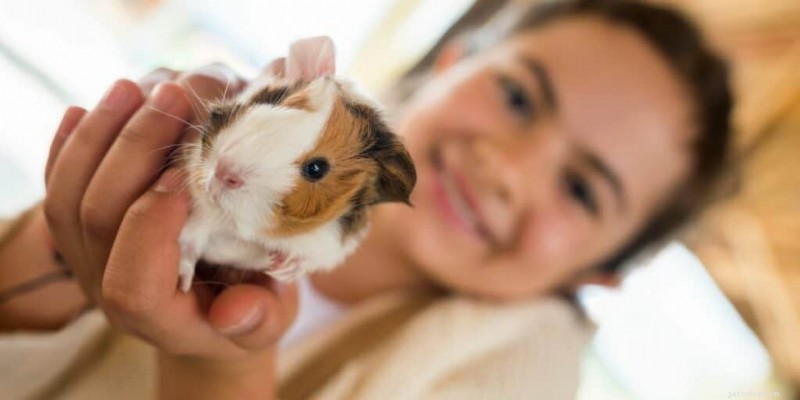
Step 3 – Introduce Gentle Petting
When your guinea pig feels safe enough to approach, gently extend your hand for a light pet. If they hesitate or pull back, pause, then try again with a calm tone and a treat from your palm.
Use slow, deliberate strokes along the direction of the fur. Petting against the grain can cause discomfort and may be perceived as a threat.
If the animal retreats into its enclosure, revisit Steps 1 and 2 until it displays confidence. Each guinea pig has its own pace; patience is key.
Step 4 – Learn to Lift Safely
After consistent petting, you can attempt to lift. Position one hand under the front legs and the other under the hind legs, ensuring the guinea pig has a stable base. Hold the animal close to your chest to provide security.
Limit initial lifts to a few seconds, gradually extending the duration as the animal grows more comfortable. Never hold a guinea pig for more than 10 minutes; they need to feel the enclosure as their home.
How to Hold a Guinea Pig Safely
1. Support the hindquarters with your non‑dominant hand, placing fingers gently under the back legs.
2. Secure the front legs with your dominant hand, placing your thumb over the shoulder area.
3. Keep the animal flat against your chest—avoid turning them upside down or holding them vertically.
If the guinea pig appears uneasy, set it back down gently and wait before attempting again. Lower the animal into its cage backward to prevent an escape jump, placing it face‑up.
Final Thoughts
Successful taming hinges on gradual exposure, positive reinforcement, and clear communication. Avoid rushing into handling; if a step falters, return to the previous stage and rebuild confidence.
With consistency and respect for your guinea pig’s signals, you’ll establish a trusting relationship that enriches both your lives.
- Is Celery Safe for Birds? Expert Insights and Health Benefits
- Why Dogs Scratch the Ground After Pooping: Expert Explanation
- Turkey & Brown Rice Casserole – Healthy Homemade Dog Food Recipe
- Vet vs Trainer: When to Seek Professional Help for Your Pet
- Managing False Pregnancy in Rabbits – Expert Care Tips
- Trusted Home Remedies to Relieve Swollen Dog Ears
- Understanding Kitten Season: Timing, Challenges, and How to Help