

Do Guinea Pigs Safely Eat Green Beans? Benefits, Feeding Limits and Precautions
If you own a guinea pig, you already know how much they appreciate a tasty treat. Green beans are a popular choice, but can they truly benefit your little companion, and how should you serve them?
Yes, guinea pigs can eat green beans. They are low in calories (31 kcal per 100 g) and packed with vitamin C, folic acid, and fiber—nutrients essential for a healthy gut and robust immunity. However, the natural calcium and phosphorus content can raise the risk of urinary stones if overfed. Therefore, moderation and proper preparation are key.
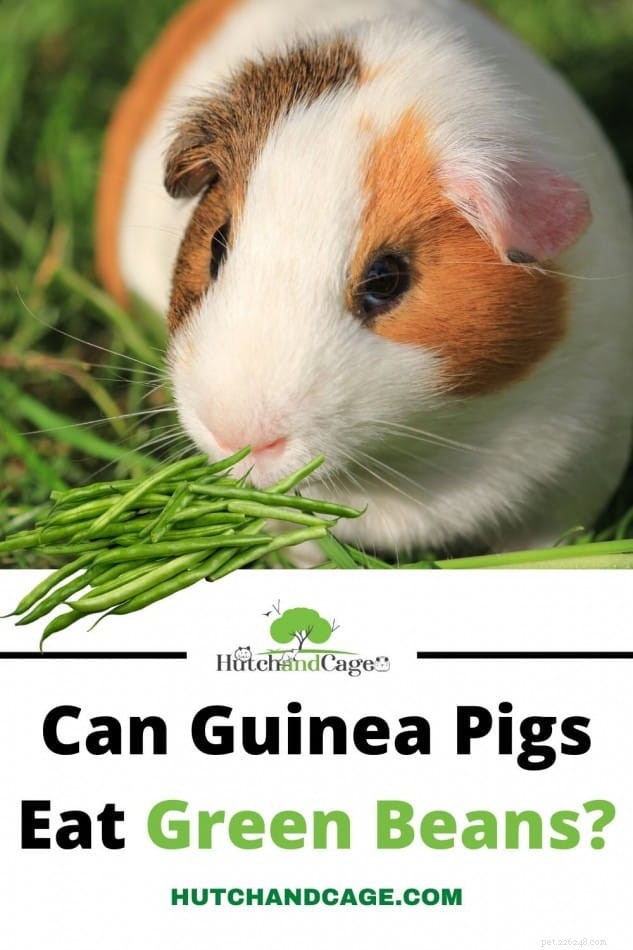
For maximum benefit, give your guinea pig fresh, raw green beans—both the pods and the leaves are edible. Avoid cooked or frozen varieties, as cooking destroys valuable nutrients and frozen veggies can be difficult for the digestive system to handle.
Below is a detailed look at the health advantages, safe feeding guidelines, and potential risks of incorporating green beans into your guinea pig’s diet.
Need a new or better cage for your guinea pig? Click here to see our latest review of the Best Guinea Pig cages.
Health Benefits of Green Beans
Green beans are one of the most nutrient‑dense vegetables for guinea pigs. They provide:
- High vitamin C and folate for immune support and DNA synthesis
- Dietary fiber that promotes regular bowel movements and helps prevent constipation
- Low calorie content, aiding weight management without compromising satiety
These benefits make green beans an excellent supplement to a balanced diet of hay, fresh vegetables, and a small portion of guinea‑pig‑safe pellets.
Supporting Weight Management and Digestive Health
Because green beans are low in calories but high in bulk, they can help your pet feel full while keeping the overall energy intake in check. A 10‑gram serving (roughly 1–2 beans) given 2–3 times per week is a good starting point. If your guinea pig shows normal stools, healthy coat, and a happy demeanor, you may gradually increase the portion to a maximum of 50 g per day.
Always introduce new foods slowly to avoid gastrointestinal upset. A sudden change in diet can trigger colic or loose stools, so monitor your pet closely during the first week.
Key Nutrients and Their Roles
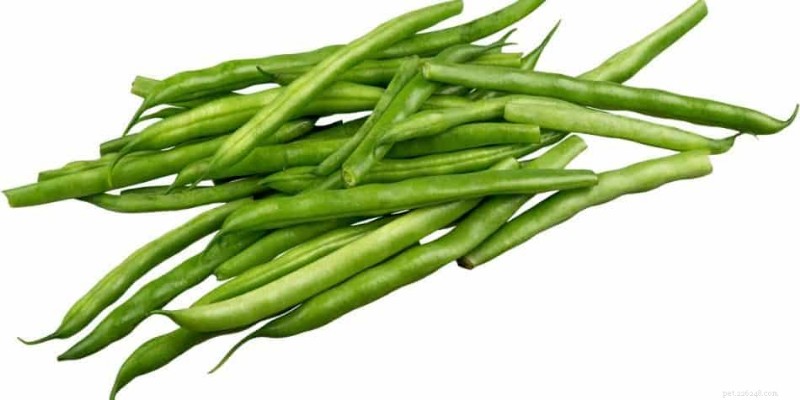
Green beans provide a range of vitamins and minerals:
- Vitamin A – supports vision and skin health
- Vitamin C – a potent antioxidant that helps fight oxidative stress and supports cardiovascular health
- Vitamin K – essential for bone mineralization and blood clotting
- B‑vitamins (B1, B2, B3, B5, B6, pantothenic acid) – aid in energy metabolism
- Minerals such as calcium, magnesium, phosphorus, iron, potassium, copper, and manganese – contribute to overall physiological functions
According to USDA FoodData Central, a 100‑g serving of green beans contains about 25 mg of calcium and 35 mg of phosphorus. While these levels are acceptable in moderation, excessive intake can precipitate urinary stones in susceptible guinea pigs.
Precautions and Feeding Guidelines
• Limit quantity. Provide 1–2 beans per feeding, no more than 2–3 times a week.
• Use fresh, raw beans. Cooked or frozen beans can be difficult to digest and may lose essential nutrients.
• Choose organic or home‑grown. Organic beans reduce pesticide exposure; wash thoroughly to remove soil and residues.
• Monitor for urinary stones. If your guinea pig has a history of stones, consult a veterinarian and consider avoiding green beans altogether.
• Provide constant access to fresh water. Water is essential for digestion and helps flush excess minerals.
Can Guinea Pigs Eat Frozen Vegetables?
It is best to avoid frozen veggies. Freezing can degrade vitamin content, and many frozen products are blanched, giving them a cooked texture that guinea pigs cannot digest well.
Can Guinea Pigs Eat Snow Peas?
Yes, but limit to two pods per week, similar to green beans.
Can You Overfeed Guinea Pigs With Vegetables?
Guinea pigs naturally stop eating when full, but excessive vegetable intake can lead to an overload of vitamins and minerals, potentially causing health issues. Always follow recommended portions.
Conclusion
Green beans can be a healthy, low‑calorie treat for guinea pigs when fed responsibly. Start with small amounts, keep them raw and fresh, and observe your pet’s reaction. If any digestive upset or unusual symptoms arise, contact a veterinarian promptly.
- Understanding Chow Chow Temperament: A Dog with a Distinctive Personality
- The Science Behind Why Dogs Move Their Food: A Guide for Pet Owners
- New York’s 100-Year-Old Cat Colony Faces Extinction Amid Willets Point Redevelopment
- Managing Food Allergies in Dogs: A Comprehensive Feeding Guide
- Why Dogs Touch Noses When Meeting: The Science Behind Canine Greeting
- Step‑by‑Step Guide: Safely Drain Your Dachshund’s Anal Sacs
- Essential Tips for Welcoming Your New Puppy Home