

Can Guinea Pigs Sneeze? Recognizing Respiratory Signs and When to Call a Vet
Guinea pigs are prized for their gentle temperament, low maintenance, and soothing presence. Yet, like any companion animal, they can develop health concerns that require vigilant care.
Respiratory issues rank among the most frequent ailments in guinea pigs. A bout of frequent sneezing often indicates an infection or allergy. While a mild upper‑respiratory infection can resemble a human cold, it can progress to pneumonia if untreated.
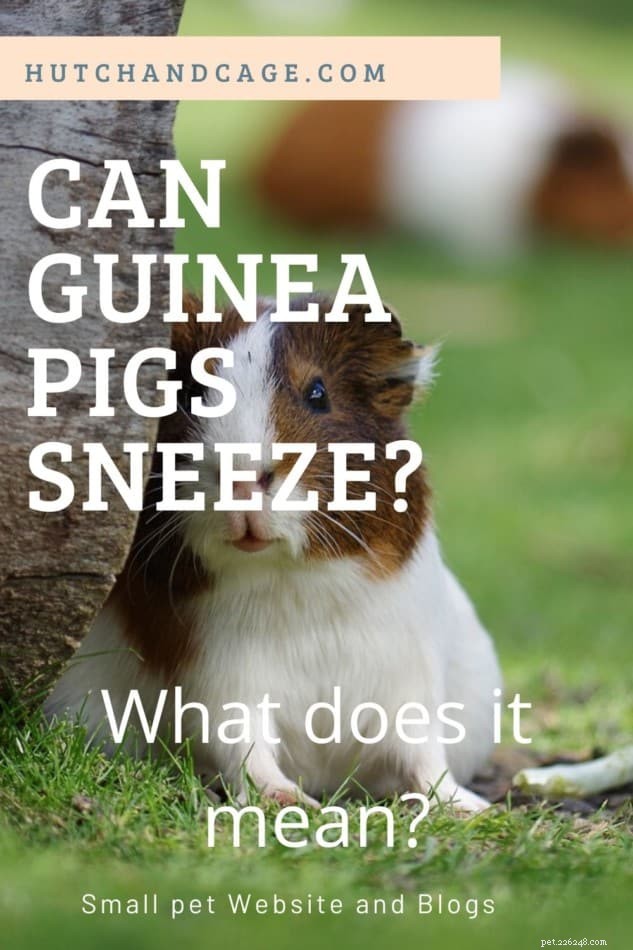
This South American rodent is one of the most popular pets in North America, and its variety of breeds adds to its charm. Having a guinea pig at home offers a wonderful experience, especially for children.
As a caretaker, you want to keep your pet safe and healthy. Even seemingly minor health problems can become serious if ignored.
Readers often ask whether a guinea pig’s sneezing is normal or a sign of illness. Below we explain why sneezing occurs and when it warrants veterinary attention.
Do Guinea Pigs Sneeze?
Yes—guinea pigs sneeze just like humans. Sneezing is a reflex that expels dust, pollen, or other irritants from the nasal passages.
Dust from hay or bedding, smoke, and other airborne particles can trigger sneezes. Occasional sneezing is normal; repeated sneezing may signal a respiratory problem.
When Is Sneezing a Cause for Concern?
Frequent sneezing, especially when paired with other symptoms, signals a potential infection or allergy. Common upper‑respiratory infections can evolve into pneumonia, a serious lung condition.
Key red‑flag symptoms include:
- Watery or colored eye discharge (green or yellow) indicating conjunctivitis.
- Wheezing, coughing, or labored breathing.
- Runny nose with yellowish discharge.
- Loss of appetite or weight loss.
- Fatigue, lethargy, or decreased social interaction.
- Visible nosebleeds.
If you notice any of these signs, schedule a veterinary visit promptly.
What Causes Frequent Sneezing?
Respiratory infections are often bacterial and can spread between guinea pigs. Factors that increase susceptibility include:
- Stress—changes in the home environment, introduction of new pets, or overcrowding.
- Poor ventilation—cages placed near kitchens or smoking areas.
- Dusty bedding or hay high in fine dust.
- Inadequate nutrition—low vitamin C, unbalanced diet, or irregular feeding.
- Compromised immune system from illness or surgery.
Managing Sneezing and Preventing Respiratory Disease
Proactive steps can reduce sneezing and improve respiratory health:
- Keep the cage in a well‑ventilated area away from smoke and strong odors.
- Use absorbent, dust‑free bedding and replace it weekly.
- Provide high‑quality hay with minimal dust; consider dust‑free grain‑free options.
- Maintain a balanced diet rich in vitamin C—leafy greens, bell peppers, and carrots.
- Minimize stress: keep a stable routine, provide ample space, and introduce new animals gradually.
Product Spotlight: Selective Naturals Grain‑Free Guinea Pig Food
Selective Naturals Grain‑Free blends wholesome Timothy hay with linseed to support digestive health and a shiny coat. It contains no corn, wheat, added sugars, or artificial colors, making it a vet‑recommended choice for maintaining optimal health.
- Grain‑free, respecting the natural diet.
- High in fiber, made with Timothy hay.
- No corn or wheat; rich in natural ingredients.
- No added sugars or artificial colors.
- Includes linseed for healthy skin and coat.
Available on Amazon.com. Buy now
When to Seek Veterinary Care
Persistent sneezing, especially with other symptoms, warrants a vet visit. Small‑animal specialists are well‑versed in treating guinea pigs. Provide a detailed history of living conditions and any prior issues.
The vet will conduct a physical exam, check vital signs, and may order blood tests, nasal swabs, and X‑rays to identify the underlying cause.
Early diagnosis and appropriate treatment—antibiotics, anti‑inflammatories, or supportive care—significantly improve recovery.
Final Thoughts
Occasional sneezing is normal for guinea pigs, but repeated sneezing paired with other red flags signals a health issue. By maintaining good hygiene, a dust‑free diet, and a calm environment, you can keep your guinea pig breathing easy.
Regular veterinary check‑ups help detect problems early, ensuring your pet enjoys a long, healthy life.
- Santa Cruz Cattle: A King Ranch Hybrid for Tough Environments
- Top 10 Gray and White Dog Breeds – Stunning Looks & Family Favorites
- Understanding Dog Eye Injuries: Causes, Symptoms & Effective Treatments
- Can Dogs Reach 20 Years? Realistic Expectations & Care Tips
- How to Build an Exceptional Dog Foster Home: A Step‑by‑Step Guide
- Teach Your Dog to Swim with Positive Reinforcement: A Step‑by‑Step Guide
- Understanding Antibiotic Side Effects in Dogs: What Owners Need to Know