

How to Recognize the Distress Sounds of a Sick Guinea Pig
Guinea pigs communicate through a rich array of vocalizations, signaling everything from contentment to distress.
Common sounds include purring when content, wheeking when hungry, and rumbling when excited. These familiar noises indicate a healthy, happy pet.
However, certain vocalizations signal discomfort or stress. Whining may indicate annoyance, while growling and teeth chattering often reflect discomfort or frustration.
When a guinea pig is ill, their vocal behavior can change dramatically. A sudden shriek is a clear warning that the animal is experiencing pain or severe discomfort and warrants immediate attention.
In addition to shrieking, a sick guinea pig may growl, chatter teeth, or whine—behaviors that usually accompany distress. These sounds can also arise from other stressors, so it’s important to observe the context and any accompanying changes in behavior.
For more signs that your guinea pig is unhappy, click here.
Because guinea pigs often mask illness, vocalizations may appear late in the progression of disease. If you notice any new or unusual sounds, consider a veterinary evaluation promptly.
Common illnesses that can provoke distress noises include:
Injuries: Falls, slips, or fights can leave wounds that may go unnoticed until pain surfaces.
Respiratory issues: Nose, throat, and lung infections are common due to their sensitive respiratory system. Symptoms resemble allergic reactions and should prompt a vet visit.
Tumors: Though rare, growths can appear anywhere on the body. A palpable lump is more likely a cyst, but a professional examination is essential.
Diarrhea: Often diet‑related, but excessive intake of high‑laxative foods like lettuce can trigger it. Monitor feed composition.
Foot problems: Obesity, injury, or disease can cause limping or discoloration of pads. Veterinary care is recommended.
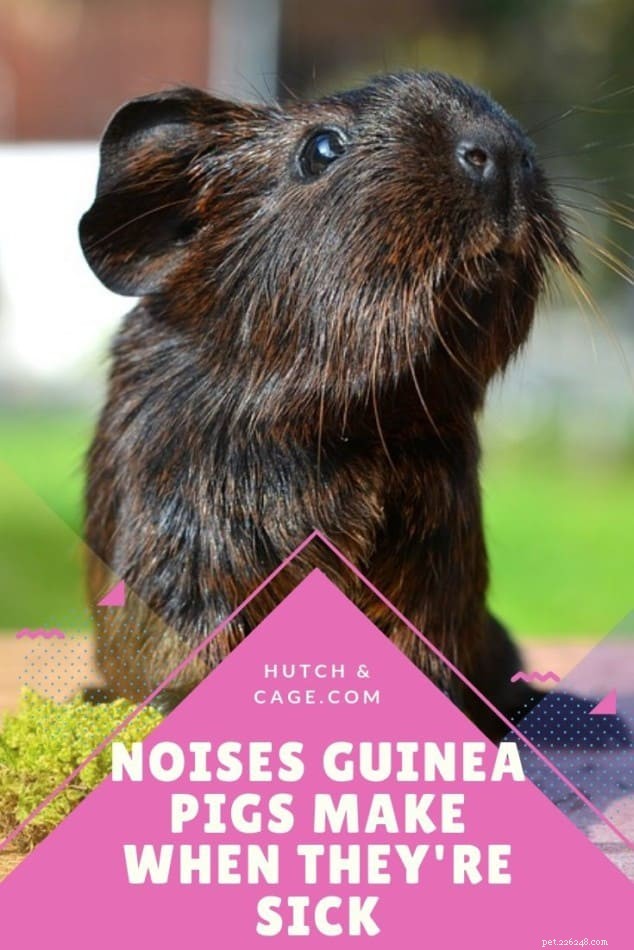
Prevention is key. Regular health checks help catch problems early. Key inspection points include:
Eye check: Eyes should be bright and clear. A milky discharge is normal, but cloudiness or persistent discharge is a red flag.
Nose check: A clean, non‑runny nose is normal. Sneezing or discharge may indicate a cold.
Coat check: Fur should be dense and clean. Hair loss, redness, or excessive scratching can signal mites, mange, or skin irritation.
Feet check: Nails should be trimmed, and soles should be free of soreness. Soft bedding and a clean cage support foot health.
Bottom check: The area should remain dry and odorless. Wetness or foul odor can indicate a urinary infection or constipation.
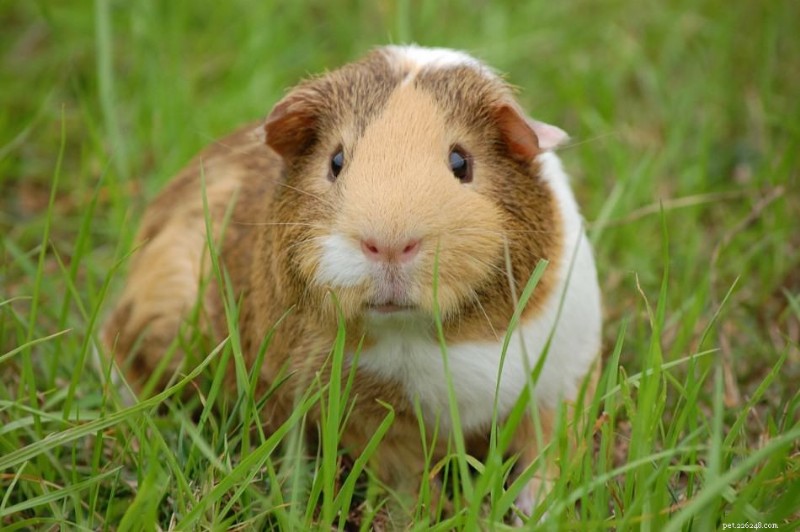
Conclusion: Familiarizing yourself with your guinea pig’s typical vocal repertoire and daily habits equips you to spot early warning signs. Prompt veterinary care can make the difference between a brief illness and a serious condition.
- 17 Adorable Animal Moments That Bring Joy Online
- Step-by-Step Guide to Certifying Your Dog as a Therapy Companion
- Maltese Dogs: Key Health Concerns & How to Protect Your Companion
- How Dogs Detect Human Hormones: The Science Behind Their Exceptional Sense of Smell
- 5 Common House Training Challenges & Expert Solutions for Puppies
- Can Dogs Safely Take Advil? Risks and Alternatives Explained
- Alaskan Malamute vs. Siberian Husky: Key Differences Explained