

Rescued Mother‑Daughter Horses Cloud Dancer and Munchkin Thrive After Sanctuary Care
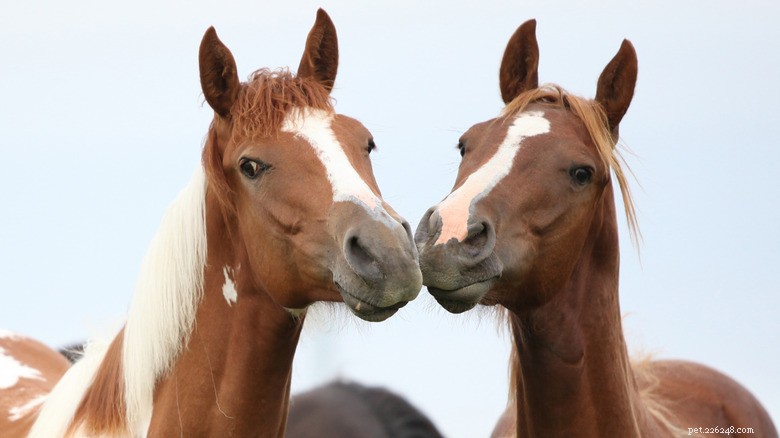
Zuzule/Getty Images
Rescue narratives often feature a solitary animal or a devoted mother protecting her offspring. The mother‑daughter pair, Cloud Dancer and her foal Munchkin, exemplify a triumphant recovery. Discovered severely dehydrated and emaciated in a remote South African community, the duo was swiftly rescued and transferred to an accredited equine sanctuary, where they have undergone a dramatic health reversal.
An Instagram update from the Karoo Donkey Sanctuary notes, “Remember Cloud Dancer and her tiny, emaciated baby Munchkin when they came across to us in late January? Well, just look at the mamma and baby now after only three months in our loving care.” The accompanying video shows the pair walking side‑by‑side, with the narrator pointing out that Munchkin has grown larger than her mother.
Viewers responded with encouragement: “Never forget you make a difference,” one comment read, while another added, “One life saved makes the hard days easier.” Many celebrated the duo’s transformation, wishing them “the bestest life” as they continue to graze peacefully in safety.
What Is Required to Care for a Horse?
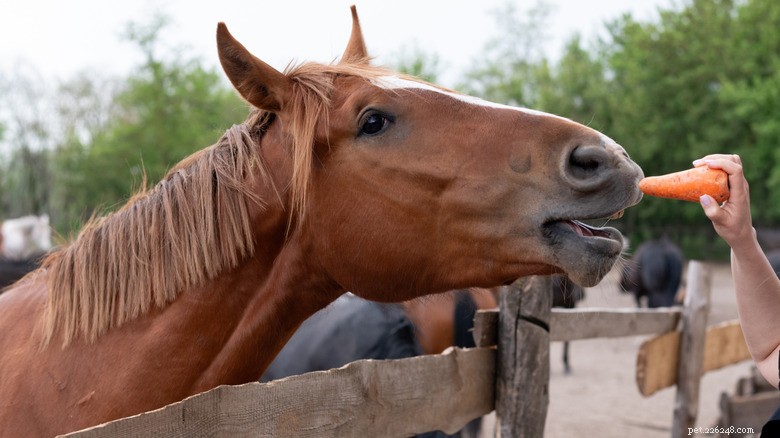
Alexander Ivchyk/Shutterstock
Caring for a rescued horse demands a comprehensive approach. Horses require a balanced diet—primarily grass or hay—supplemented with grain when extra energy is needed, and up to 10 gallons of fresh water daily. Treats such as carrots or apples can be offered in moderation.
Regular grooming, including brushing and hoof trimming, maintains coat health and prevents painful hoof conditions. A sturdy shelter protects against rain, snow, and excessive sun, while routine veterinary examinations and dental care are essential for long‑term wellbeing.
Daily exercise—whether a gentle walk or turnout in a pasture—supports physical health, and horses, being highly social animals, thrive on companionship. Interaction with other horses or compatible species (e.g., cats or dogs) and consistent human contact further enrich their quality of life. With patient, knowledgeable care, rescued equines can recover fully and enjoy the calm, joyful existence they deserve.
- 5 Inspiring Special‑Needs Cats: Stories of Strength and Joy
- Is Cutting Your Cat's Whiskers Safe? Understand the Risks & Care Tips
- Russian Toy Dog: Breed Profile, History, and Care Tips
- How Many Calories Does Your Cat Need? A Trusted Guide to Optimal Feeding
- Understanding Boric Acid Toxicity in Dogs: Symptoms, Treatment, and Prevention
- The Intriguing Quirks of Dogs and Cats Revealed
- Alpaca Care Guide: Expert Tips for Health & Fleece Success