

Why Does My Dog Bite Me While I’m Petting Him?
Dogs use their mouths to explore and communicate. When a dog bites while you’re petting, it isn’t always aggression—often it’s a misunderstood signal. By reading body language, understanding developmental stages, and adjusting your handling, you can prevent unwanted bites and even recognize affectionate nibbles.
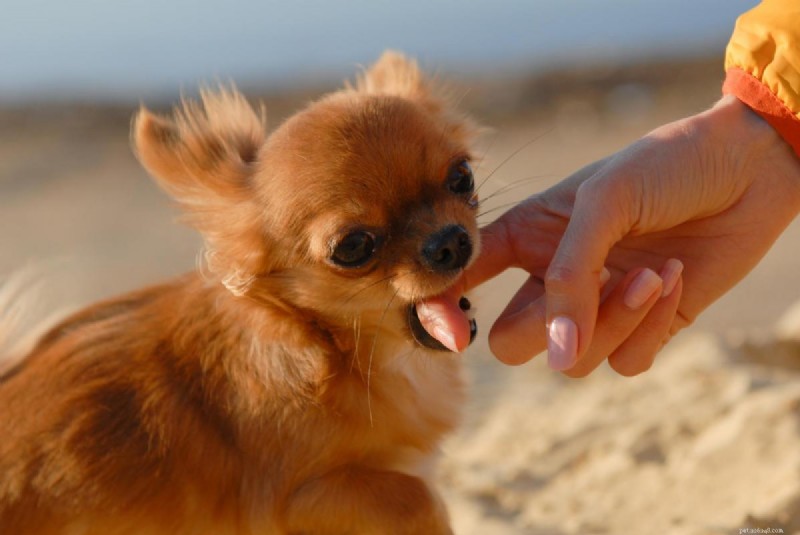
Why Does My Puppy Bite Me When I Pet Him?
Newborn puppies can’t see or move well; they bite only to locate their mother’s teats. Once they enter the crucial socialization window (approximately 4‑12 weeks), biting becomes a key way to learn boundaries.
Bite Inhibition
During this period puppies learn to control the force of their bite. They may nip gently to convey a need—play, space, or discomfort—without causing injury. Because they are still mastering this skill with humans, a light nip can feel like a bite.
Play Overexcitement
Puppies often play‑fight with littermates, learning to stop when a partner shows signs of distress. If you pet a puppy while it’s in a high‑energy play state, it may snap reflexively. Wait for a calm moment before offering affection; this reinforces self‑control.
Dreaming and Sleep
Puppies sleep up to 18 hours a day. A sleeping puppy can bite reflexively if disturbed. Let a sleeping pup lie undisturbed, and pet only when it’s awake and relaxed.
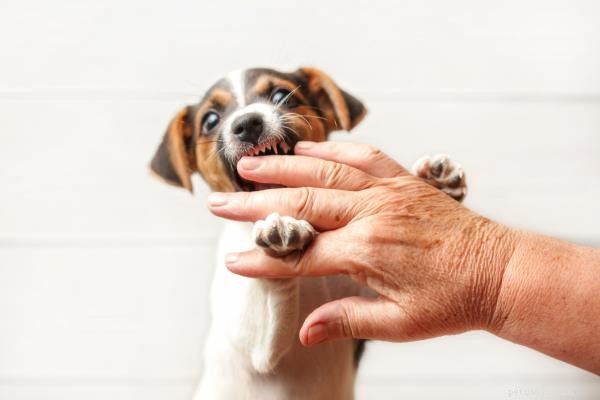
Why Does My Adult Dog Bite Me When I Pet Him?
Adult dogs rely heavily on body language. Ignoring subtle signals—such as flattened ears, a tucked tail, or a passive posture—can make a dog feel threatened, leading to a bite.
Excitement
Even mature dogs can become over‑stimulated. When their senses are overwhelmed, bite inhibition may temporarily lapse. Recognize signs of excitement (e.g., rapid panting, dilated pupils) and pause petting until the dog calms down.
Sleep Disturbance
Petting a dog that’s just woken from a deep sleep can provoke a defensive bite. Approach slowly and let the dog orient itself first.
Poor Socialization
Dogs that missed the critical puppy socialization period often lack proper bite inhibition as adults. Structured socialization exercises can improve their comfort around people.
Trauma
Negative experiences—especially involving hands—can cause a dog to associate petting with pain. Patience, reassurance, and gradual desensitization are essential for recovery.
Boredom and Neglect
Insufficient mental and physical stimulation can lead to frustration‑driven bites. Regular walks, play, and training keep a dog engaged and less likely to bite.
Affectionate Nipping
Not all bites are hostile. A soft nibble can be a dog’s way of showing affection or inviting play, provided the bite is gentle and the dog’s overall body language is relaxed.
What Should I Do If My Dog Bites While I’m Petting?
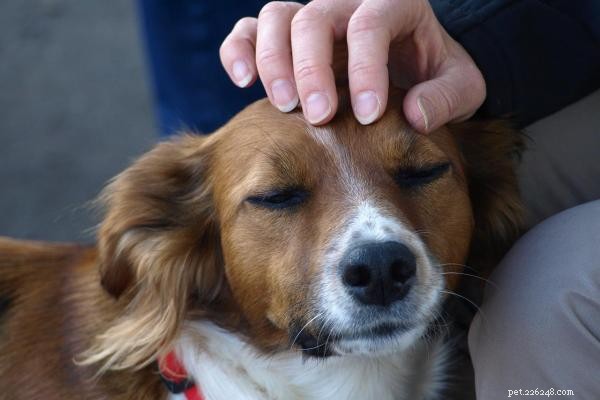
- Use open‑hand caresses on the sides of the body to promote calmness.
- Avoid patting on the head or back if the dog seems aroused; patting can increase excitement.
- Scratch behind the shoulders or along the back for a soothing, rewarding sensation.
Observe the dog’s signals and respect its preferred petting zones. Each dog is unique—some love chin scratches, others prefer a gentle back rub. Let the dog approach you first and set the pace.
Meeting basic needs—balanced nutrition, regular exercise, mental enrichment, and consistent affection—reduces stress‑related biting. If a bite becomes a recurring problem, invest in basic obedience training and consider consulting a professional dog trainer or animal behaviorist.

For more articles on canine behavior, visit our Behavioral Problems category.
Related articles
Kathy
21/02/2023
I adopted a 1‑year‑old dog on 12/1/22. He’s terrified of me but gets along with my friends and other dogs. He’s improving with play and walks, yet he still hides when I approach.
- How Adopting a Cat Saves Lives: A Practical Guide
- Hiking with Dachshunds: Expert Tips on Enrichment & IVDD from You Did What With Your Wiener
- Tortoiseshell Cats: Personality, Color Myths, and Care Guide
- Traditional Chinese Veterinary Medicine: Effective Solutions for Dogs and Cats' Skin Conditions
- Is Rambutan Safe for Dogs? Health Benefits & Risks Explained
- Understanding Why Cats Hide: The Science of Their Secret Hideaways
- Mobic for Dogs: Safe Alternatives and How to Use Meloxicam/Metacam for Pain Relief