

Swamp Sparrow: The 1,500-Year Legacy of Their Song
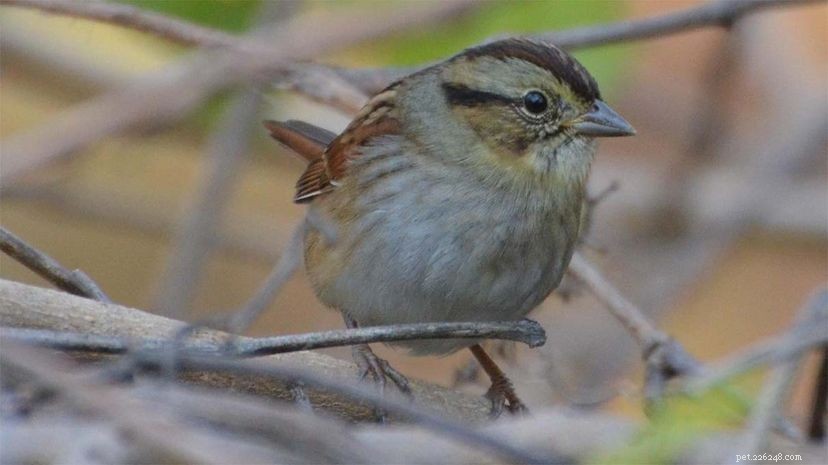 The American swamp sparrow (Melospiza georgiana) has an uncanny knack for imitating the sounds of the adults birds of their species
 If you listen to an American swamp sparrow's song, you may notice it sounds the same from summer to summer. What you may not know, however, is that every song this little brown bird sings has probably been passed down for 1,500 years.
Just as humans have traditions that are passed from generation to generation, these diminutive birds do, too, in the form of melodies. The discovery was chronicled in the journal Nature Communications on June 20, 2018.
"We were able to show that swamp sparrows very rarely make mistakes when they learn their songs, and they don't just learn songs at random, they pick up commoner songs rather than rarer songs," Robert Lachlan, a biologist at Queen Mary University of London and the study's lead author, told National Geographic.
For a series of months, beginning in 2008, Lachlan and his researcher team recorded the songs of 615 male swamp sparrows (Melospiza georgiana) in the northeastern United States. The researchers then took a deep dive into the songs and, using acoustic analysis software, reduced the songs to individual notes. After measuring the degree of diversity among the melodies, the researchers realized only 2 percent of male swamp sparrows variated from the musical norm. Researchers then compared the deviation rate to recordings from the 1970s, and were able to estimate the oldest swamp sparrow songs dated back an average of 1,500 years.
An analysis by Lachlan and his team found that, as fledglings, the birds had an uncanny knack for imitating the sounds of the adults birds of their species. This ability, paired with the birds' conformity bias — the tendency to take social cues from the actions of others — meant young birds memorized the songs they heard most often. In short, the American swamp sparrow created a song tradition that has lasted more than a millennium.
"With those two ingredients together, you end up with traditions that are really stable. The song-types that you hear in the marshes of North America today may well have been there 1,000 years ago," Lachlan said.
Now That's InterestingSome types of birds develop distinct, area-specific dialects just like humans do. This often happens because populations of the same species are separated by geographic features such as bodies of water or mountains. Birds from one mountain can sound quite different from those of the same species the next mountain over.
- The Ultimate Guide to the Healthiest Diet for Your Parrot
- Optimal Room Temperature for Healthy Sun Conures
- Why a Balanced Diet Is Crucial for Your Bird's Health & Longevity
- Swamp Sparrow: The 1,500-Year Legacy of Their Song
- Keeping Your Dogs Safe and Happy During the Holidays
- Choosing the Right Treats for Effective Bird Training
- How Alcohol Poses Serious Risks to Your Dog's Health