

8 Bird Mating Dances That Are the Most Spectacular
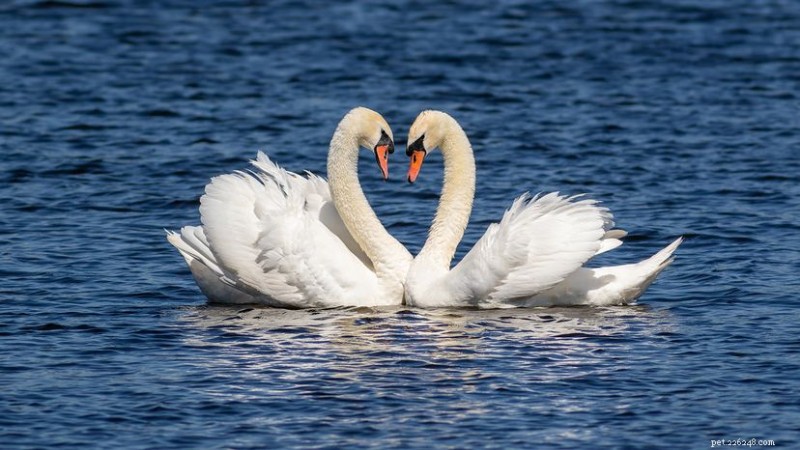
From the dense Amazon rainforest to the open Pacific, avian courtship displays are among nature’s most vivid spectacles. These choreographed performances combine intricate movements, striking plumage, and sometimes even acoustic signals to convey a male’s fitness to potential mates.
Why Birds Dance
For males, a dance is a powerful communication tool. Every step, wing flick, or head sway carries a message about health, genetic quality, and territory ownership. Females observe closely, weighing both the spectacle and the visual cues—such as vibrant throat sacs or elaborate tail feathers—to decide whether to mate.
8 Birds With Wild Mating Dances
1. Greater Bird-of-Paradise (Paradisaea apoda)
This species showcases golden flank plumes that flare dramatically during courtship. The male’s tail feathers unfurl in a sweeping display that rivals any choreographed performance.
2. Superb Bird-of-Paradise (Lophorina superba)
Known for its razor‑sharp black plumage, the superb performs a series of intricate steps, culminating in a still‑pointed pose that resembles living art.
3. Red‑Capped Manakin (Manacus tetragrammus)
Central American residents of this species execute a moonwalk‑like routine, moving in rapid, synchronized bursts that showcase both agility and coordination.
4. Blue‑Footed Booby (Sula nebouxii)
With striking blue feet as a health indicator, the booby combines wing flexing, foot tapping, and a high‑pitched whistle to attract attention.
5. Black‑Footed Albatross (Phoebastria nigripes)
These large seabirds perform a synchronized bill‑clapping ritual, creating a rhythmic sound that echoes across the shoreline.
6. Western Grebe (Aechmophorus occidentalis)
Known for their “sky‑pointing” duets, grebes run across water while pointing upward, creating a synchronized dance that impresses rivals and mates alike.
7. Sandhill Crane (Antigone canadensis)
Sandhill cranes leap and twist in an elaborate series of display flights, using their long legs and wings to create a dramatic aerial spectacle.
8. Peafowl (Pavo cristatus)
Perhaps the most iconic, male peafowl unfurl a fan of iridescent tail feathers while performing a slow, deliberate promenade that showcases both beauty and stamina.
Young Males Learn the Moves
Before reaching full adult plumage, juvenile males watch and mimic experienced males, rehearsing the full courtship sequence. This apprenticeship ensures they master the complex choreography needed to secure a mate when they finally enter breeding age.
Feathers, Forms, and Survival
Even when feathers fall during a performance, the dance continues, underscoring the male’s resilience. Dark wings, vibrant yellow accents, and unusual ornaments all contribute to a display that balances aesthetic appeal with survival signals.
In the avian world, the best dancer—one who merges flawless presentation with vigorous movement—typically claims the most desirable mate.
This article was crafted with the aid of AI technology and subsequently reviewed and fact‑checked by a HowStuffWorks editor to ensure accuracy and reliability.
- How to Foster Dogs: A Step‑by‑Step Guide to Providing Safe, Loving Homes for Canines in Need
- The Four‑Horned Chameleon: Characteristics, Care, and Suitability for Experienced Keepers
- Top Cat Breeds with Dog-Like Temperaments
- Discover Your Zodiac Cat Match: Which Cat Breed Reflects Your Sign?
- Understanding and Preventing Rickettsial Infections in Dogs
- How Strong‑Scented Lotion Can Unsettle Your Rabbit: A Practical Guide
- Optimal Senior Cat Nutrition: Key Dietary Adjustments for Health and Longevity