

Goose vs. Swan: How to Tell These Long‑Necked Birds Apart
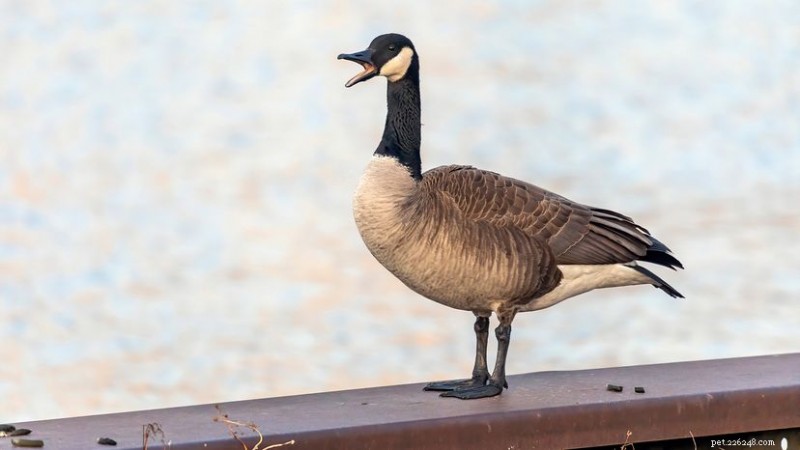
At first glance, geese and swans appear similar, yet they differ markedly in size, behavior, migration, and ecological roles.
What Do Geese and Swans Look Like?
Swans are the largest members of the Anatidae family, boasting elongated bodies, long necks, and wingspans that can reach up to 10 feet (3 m). Their classic white plumage and regal posture dominate lakes and wetlands.
Geese, such as the Canada goose and snow goose, are smaller and more compact. They typically feature shorter necks, black wing tips, and a distinctive black head and neck contrasted by a white chinstrap.
Behavior and Breeding
Both species are highly social, yet their mating systems differ. Swans form lifelong monogamous pairs and become fiercely territorial during breeding season, guarding nests near aquatic vegetation.
Geese also mate for life but thrive in large communal flocks. They share parental duties and use honking calls and coordinated flight patterns to defend territory.
Species and Distribution
Six extant swan species—including the mute, tundra, and trumpeter swans—favor temperate, freshwater habitats. They generally migrate shorter distances and in smaller groups.
Geese encompass a broader range of species across North America, Europe, and Asia. Canada and snow geese, for instance, form massive flocks that traverse thousands of miles between breeding and wintering grounds.
Habitat and Diet
Both birds thrive in aquatic environments such as lakes, ponds, and marshes. Swans feed mainly on aquatic vegetation and occasionally small fish, using their long necks to reach underwater plants.
Geese often graze on land, consuming grasses, grains, and aquatic plants. Their adaptability allows them to thrive in human‑altered landscapes, from rural farmlands to urban parks.
Flight and Migration
Geese are renowned for their V‑shaped formations, navigating long distances guided by wind patterns and instinctive memory. Canada and snow geese routinely travel from northern breeding sites to southern wintering areas.
Many swan species, such as the mute swan, are more sedentary, though tundra and trumpeter swans undertake substantial migrations. Habitat loss and climate change threaten both groups.
Unique Traits
Swans are typically more aggressive, especially around nests, and can deter intruders with forceful displays. Geese, while vocal and protective, tend to retreat when confronted.
Despite these differences, geese and swans share core similarities in habitat preference and social structure. Recognizing the nuances between them enhances your appreciation of these majestic waterfowl.
- 50 Trendy Dog Names for the Modern Pup
- Is Salmon Safe for Dogs? Expert Guidance
- Raising a Wolf‑Husky Hybrid: Expert Care Tips
- The Complete Guide to Safely Cleaning Your Dog’s Ears at Home
- Traveling with Pets: A Comprehensive Guide to Safe, Stress‑Free Journeys
- Soldier Seeks to Reclaim His Dog After It Was Sold While Deployed
- Managing Your Cat's Separation Anxiety: Practical Tips for Safe, Stress-Free Days