

Chicken vs. Hen: Key Differences Explained for Farmers and Home Cooks
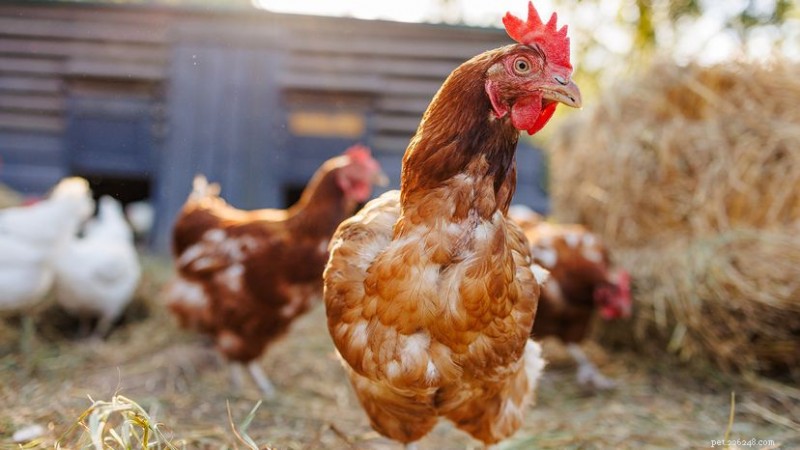
Photo: Sergey Kolesnikov / Shutterstock
In everyday conversation, the words “chicken” and “hen” are often used interchangeably, yet they refer to distinct stages and roles within poultry. A clear comparison helps farmers, backyard hobbyists, and consumers understand the practical implications for egg production, meat quality, and breeding practices.
What Is a Chicken?
The term chicken is the umbrella designation for all domesticated birds of the species *Gallus gallus domesticus*. It encompasses chicks, pullets, roosters, hens, and broilers, regardless of age or sex. In culinary contexts, “chicken” refers to the meat itself—whether it’s a whole bird, a fillet, or a processed product—making it a ubiquitous term in both the food industry and home kitchens.
What Is a Hen?
A hen is an adult female chicken that has reached sexual maturity and begun laying eggs. Most breeds start egg production at 18 to 20 weeks of age, though the exact timing can vary by breed, nutrition, and light exposure. Hens are the backbone of the global egg industry, with high‑producing breeds capable of yielding over 300 eggs annually. After their productive years, many hens are processed for meat; hen meat is firmer and has a richer flavor, often best suited for slow‑cooked or stewing preparations.
Male Chickens
Adult male chickens are called roosters, while their juvenile counterparts are cockerels. Roosters do not lay eggs but play a vital role in breeding. They are typically more aggressive, possess brighter plumage, larger combs, and are recognized by their crowing. In commercial settings, roosters are essential for maintaining genetic diversity but are rarely raised for meat.
Young Birds: Pullets and Chicks
A young female that has not yet reached egg‑laying maturity is termed a pullet. Pullets usually start laying around six months of age. All newly hatched birds, regardless of sex, are referred to as chicks. In many poultry operations, young males are considered less valuable for egg production and are often culled or redirected to meat production lines that favor faster‑growing breeds.
Differences in Meat
Commercial meat production relies on broilers—chickens selectively bred for rapid growth and tender flesh. These birds are harvested at a young age (typically 6–7 weeks) to prevent health issues such as heart failure that can arise from excessive growth rates. In contrast, hen meat comes from mature females and has a firmer texture and stronger flavor. Cooking techniques like stewing, braising, or pressure‑cooking are recommended to tenderize hen meat.
Egg Production and Lifespan
Only female chickens lay eggs, and production rates differ widely. Factors that influence egg output include genetics, nutrition, lighting schedules, and overall health. Egg laying typically peaks in the first 1–2 years of a hen’s life and gradually declines thereafter. When egg production drops below commercial thresholds, hens are often removed from the flock and processed for meat.
Why the Confusion?
The interchangeable use of “chicken” and “hen” stems from the fact that both are chickens, and the general public frequently associates the term with poultry food rather than breeding terminology. Terminology can also vary by country, breed, and industry segment. Understanding these distinctions is crucial for anyone raising a flock, purchasing poultry products, or engaging in backyard farming.
Our article was developed using AI technology and subsequently reviewed and edited by a HowStuffWorks editor to ensure accuracy and clarity.
- Why Does My Cat Exhibit Clingy Behavior? Expert Insights & Solutions
- 9 Cat Sleeping Positions: What They Reveal About Your Feline
- Ziwi Peak Canned Cat Food: Premium, Additive-Free Nutrition for Your Cat
- Mastering Dog Rewards: Boost Confidence & Trust Beyond Treats
- Preventing Wood Chewing in Horses: Proven Training Tips
- Flying with Your Dog: Essential Tips for a Stress‑Free Holiday Trip
- Top Austin Veterinarians: A Trusted Guide for New Pet Owners