

Four Birds That Redefine Intelligence: Why ‘Bird Brain’ Is a Misnomer
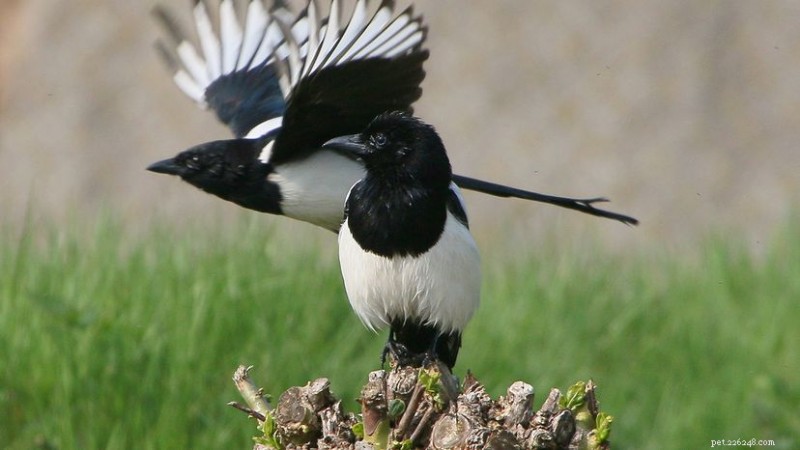
Birds are more than feathers and song. Recent research demonstrates that several avian species possess cognitive skills that rival those of primates, challenging the outdated notion that “bird brain” is a pejorative label.
1. African Grey Parrots: Miniature Minds with Human‑Like Thought
African grey parrots are renowned for their linguistic prowess, but their intelligence extends far beyond mimicry. Individual parrots can construct simple sentences, correctly identify objects by name, and even link words to colors or shapes. The famous parrot Alex once distinguished between “same” and “different,” a capacity shared by only a handful of non‑mammalian species.
These birds display cognitive flexibility, adapting their strategies when initial approaches fail—a hallmark of advanced problem‑solving. Observational learning further sets them apart; they acquire new behaviors by watching conspecifics, not merely through trial and error.
2. New Caledonian Crows: Master Toolmakers of the Avian World
The New Caledonian crow is a living laboratory of tool use. It crafts hooks from sticks to extract food from narrow crevices, demonstrating a deep grasp of cause and effect. In rare instances, these crows employ a tool to retrieve another, a form of meta‑tool use that aligns them with non‑human primates in cognitive complexity.
Field experiments have shown crows solving multi‑stage puzzles that require using several tools in sequence, underscoring their logical reasoning and foresight.
3. Western Scrub Jays: Caching Cognition and Social Insight
Western scrub jays exhibit episodic‑like memory, remembering specific past events to plan future actions. They hide food caches, then later relocate them if another bird has discovered the stash, revealing an awareness of others’ intentions. Their spatial memory is extraordinary, allowing them to retrieve caches months later with remarkable precision.
4. Eurasian Magpies: Self‑Recognition in the Avian Realm
Eurasian magpies have passed the mirror self‑recognition test—a benchmark achieved by only a handful of animals, including dolphins, elephants, and great apes. This indicates a sophisticated level of self‑awareness. Living in complex social groups, magpies rely on intricate vocalizations and cooperative behaviors, showcasing advanced social cognition and adaptability across varied habitats.
Bird Brains: Dense, Agile, and Often Underestimated
Contrary to common perception, avian brains are densely packed with neurons, especially in the forebrain where higher‑order thinking occurs. This neural architecture equips birds to solve puzzles, recognize human faces, and associate words with meanings. Urban environments act as natural laboratories, pushing species to innovate—whether through cooperative hunting, tool use, or mastering trash‑can openings.
As we learn more, it becomes clear that bird intelligence is not only impressive but also diverse, reflecting the evolutionary ingenuity of these feathered minds.
We collaborated with AI tools to draft this article, and every fact has been verified by a HowStuffWorks editor.
- Veterinary Update: Lucas Tests Benign, Emmett Diagnosed with Aggressive Hemangiosarcoma
- The Ultimate Guide to Selecting the Best Food for Your Golden Retriever
- How Many Calories Should Your Dog Breed Consume? Expert Guide
- Meet Charlotte & Fletcher: The Adorable Ragdoll Duo
- Woman Bequeaths $300,000 to Her Feline Family in Will
- Protect Your Cat: Proven Strategies to Prevent Common Diseases
- Can Cats Be Ticklish? Insights into Feline Sensitivity