

How Hot Is Too Hot? Managing Hummingbird Nectar Safely in Summer
Hummingbirds can tolerate warm nectar, but temperatures that feel hot to humans are dangerous for them.
This article explores how to protect hummingbirds during the summer heat.
In This Article: We’ll outline the safest nectar practices and cooling strategies.
What Happens to Nectar Left in the Summer Sun?
An artificial feeder left in direct sunlight can cause the sugar water to heat rapidly.
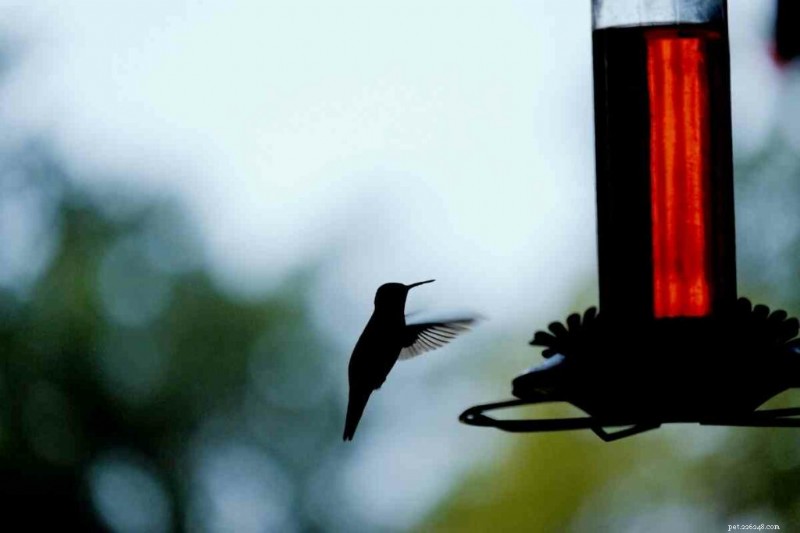
Because hummingbirds lack a sense of smell, they cannot detect spoiled nectar. Consuming it can lead to illness or death.
To prevent this, avoid leaving feeders unattended in the summer and clean them daily.
Red Flags of Bad Nectar
If the feeder feels hot to the touch, replace it immediately. Other warning signs include:
- Condensation inside the feeder with no nectar present.
- Cloudy, thick, or syrupy nectar.
- Bees gathering at the feeder, indicating the nectar may be deteriorating.
How Often Should You Change the Water?
Temperature dictates how frequently you should refresh the nectar. Use the table below as a guideline.
| Temp in Shade (°F) | Frequency of Cleaning/Refill |
|---|---|
| 61–70 | 4–5 days |
| 71–80 | 3 days |
| 81–85 | 2 days |
| 86+ | Daily |
If maintaining this schedule is difficult, consider planting native nectar sources like cardinal flower or salvia.
Keeping a Hummingbird Feeder Cool
Here are proven techniques to maintain safe nectar temperatures.
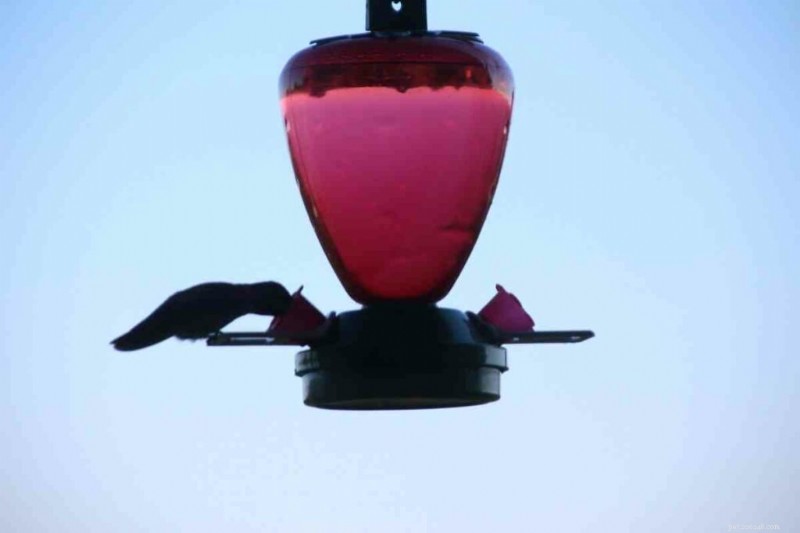
Keep the Feeder in the Shade
Shaded feeders stay at ambient temperatures, significantly reducing the risk of overheating.
Use the Right Nectar Volume
Fill the feeder only to the amount you expect to use within a day. Store surplus nectar in the refrigerator.
Make Nectar Ice Cubes
Ice cubes made from fresh nectar keep the solution cool longer as they melt. You can mix ice and nectar or use ice cubes alone.
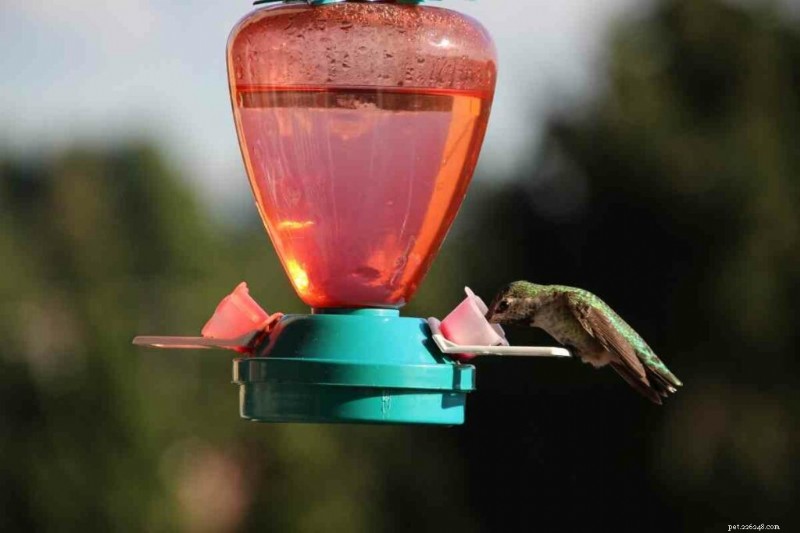
Invest in a Glass Feeder
Glass offers a thicker barrier against ambient heat, reducing fermentation risks, especially in regions with temperatures around 90 °F.
Wrap Your Feeder in Aluminum Foil
Aluminum foil reflects up to 98 % of radiant heat and blocks UV rays, slowing nectar warming. Wrap a crumpled sheet around the feeder.
Add an Insulation Sleeve
Attach a white insulation sleeve to the feeder’s plastic or glass section. White reflects heat, and the sleeve extends the cool period.
Choosing the Right Nectar
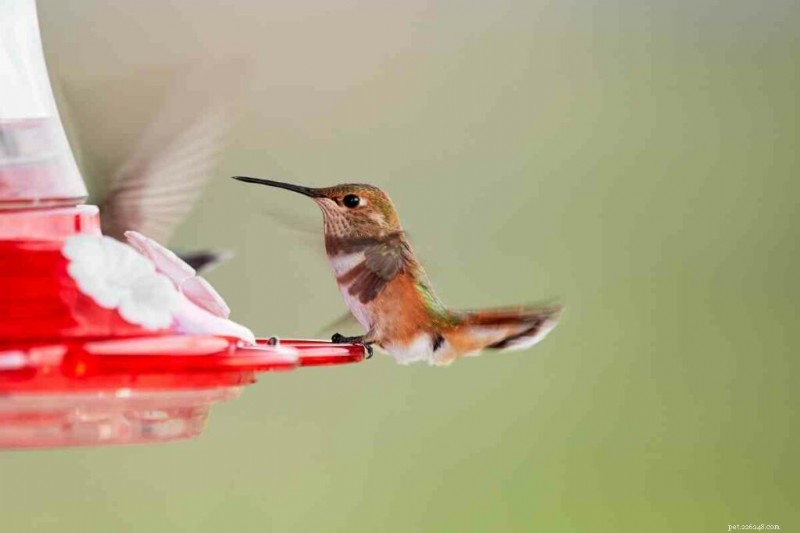
Growing native nectar plants is the best way to avoid contamination. If that isn’t feasible, prepare your own nectar.
Beware of Premade Nectars
Premade nectars often contain dyes or preservatives that can introduce harmful chemicals. Natural mixtures remain safest.
Use white cane sugar in a 4:1 ratio of water to sugar. Avoid honey, syrups, or molasses.
Conclusion
Since hummingbirds cannot detect spoiled nectar, keeping it fresh is essential. Direct sunlight accelerates heating and bacterial growth. Frequent refills, cooling methods, and natural nectar sources protect these birds.
You May Also Like
- How many perches should be in a birdcage?
- Do Crows Attack Pigeons? (Crow and Raven Behaviors)
- How to Raise and Care for a Baby Parrot
- Osteosarcoma in Dogs: Comprehensive Diagnosis, Treatment & Care Guide
- Ringworm Demystified: Symptoms, Causes, and Prevention Tips
- Comprehensive Guide to Preventing and Treating Dog Eye Infections – Evidence‑Based Tips
- Understanding Dog Hiccups: Causes, Symptoms, and When to Seek Veterinary Care
- Dog Got Skunked? Avoid Water—Use the Right Remedy First
- Are Bearded Dragons Safe to Feed Eggs? Health Tips & Feeding Guidelines
- Mastering Canine Rear-End Awareness: A Positive Reinforcement Guide