

How Many Perches Does Your Bird Need? Expert Guide to Optimal Perch Selection
Once you’ve chosen the perfect cage for your feathered friend, the next step is to outfit it with the right perches. A well‑planned perch layout not only supports your bird’s foot health but also encourages natural behaviors and overall well‑being.
Why Perches Matter for Your Bird’s Health
Perches are more than just a place to sit; they are essential to a bird’s physical and mental welfare. Here’s why:
- Natural climbing surface – Like tree branches, perches allow birds to climb, stand, and balance.
- Access to food and water – Positioning perches near feeding stations makes eating comfortable and safe.
- Social interaction – Perches enable birds to engage with companions and toys, fostering bonding.
- Rest and sleep – Birds may spend up to 12 hours a day perching for rest.
- Exercise and movement – Multiple perches encourage hopping and short flights, keeping muscles active.
How Many Perches Are Needed?
There is no universal number. The optimal count depends on the bird’s size, species, and cage dimensions. Most avian veterinarians recommend a minimum of three distinct perch types to promote foot health and movement:
- One perch near the food and water area.
- One perch dedicated to rest.
- At least one additional perch for exercise.
Smaller, more active species such as finches and budgies can comfortably fit several perches in a standard cage, whereas larger parrots like macaws may require fewer perches unless the cage is exceptionally spacious.
Choosing the Right Perch Types
Not all perches are created equal. Straight plastic bars can cause foot problems, so diversify the perch mix to protect your bird’s feet:
- Rope perches – Provide texture, allow climbing, and can be arranged creatively. Check regularly for fraying, which can pose an ingestion risk.
- Basic dowel perches – Straight and uniform, they can be chewed but should not be the sole option due to comfort issues over time.
- Natural wooden perches – Mimic tree branches, offer comfortable surfaces, and encourage natural chewing. Multi‑branch designs are ideal for exercise.
- Sand perches – Help manage claw growth; however, they can irritate feet if left in place for too long and should not be the primary perch.
- Plastic clip‑on perches – Convenient for smaller cages, they attach to metal bars without drilling. While washable, they may not suit larger birds.
 Rope Perch Example
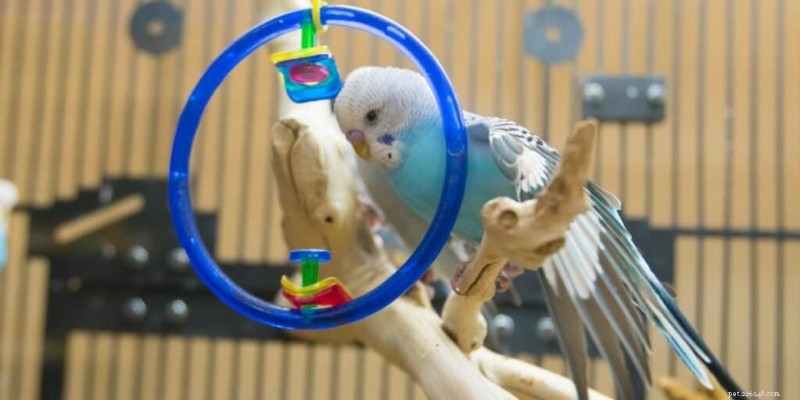 Natural Wooden Perch
 Sand Perch
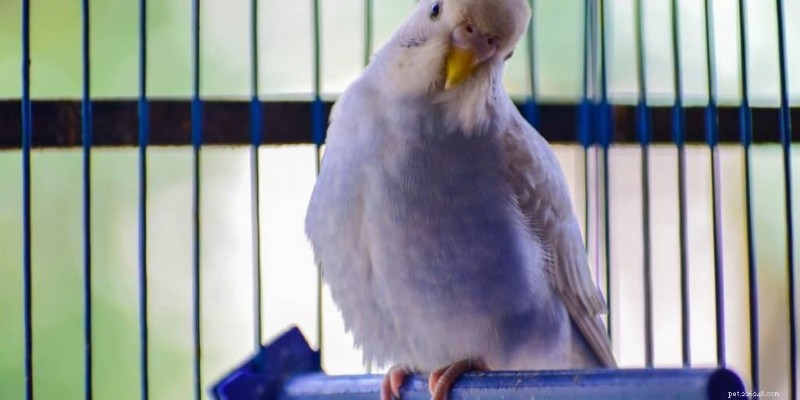 Plastic Clip‑On Perch
Perch Diameter: Size Matters
The diameter should match the bird’s foot size. Narrow perches (9.5–15 mm) suit small birds like finches and parakeets, while larger parrots such as hyacinth macaws may need diameters up to 60 mm. Varying diameters across the cage prevents joint strain and mimics natural branch diversity.
Putting It All Together
Rather than fixating on a specific number, focus on a balanced mix of perch types and sizes that meet your bird’s needs. A thoughtful layout promotes foot health, encourages exercise, and supports natural social interactions.
- Trusted Labrador Retriever Puppy Breeders in New Jersey – 2024 List & Buying Guide
- Effective Treatments for Chihuahua Eye Infections
- Understanding Cat Aggression: Causes, Prevention, and Calming Techniques
- Virginia’s 10 Most Common Duck Species – Illustrated Guide
- Why Dogs Fight Over Bones: The Science Behind Their Competitive Behavior
- Free Cat-Themed Father's Day Cards for Proud Cat Dads
- What Your Cat’s Urine Reveals About Their Health: A Complete Guide