

Cinnamon Pearl Cockatiel Guide: Care, Personality & Tips for Beginners
The Cinnamon Pearl Cockatiel is celebrated for its distinctive cinnamon‑tawny plumage—a result of a rare genetic mutation that blocks the usual gray or black pigments found in wild cockatiels.
These birds are affectionate, friendly, and remarkably easy to care for, making them an excellent choice for both seasoned avian enthusiasts and first‑time pet owners.
What Do Cinnamon Pearl Cockatiels Look Like?
They feature a light, tannish cinnamon‑brown base mixed with generous yellow accents, giving them a warm, almost pastel appearance. Some individuals, called Cinnamon‑Pied Pearl Cockatiels, display a striking speckled pattern of cinnamon and yellow.
A defining trait of all cockatiels is their feathered crest—an elegant, feathery mohawk that appears on both sexes. Their faces glow bright yellow, with males sporting vivid orange cheeks and females a softer peach‑orange.
Like all parrots, they have the classic curved beak. Cinnamon Pearl Cockatiels typically have pale tan or light pink beaks, contrasting gently with their plumage.
A Brief History of the Pet Cockatiel
Native to the temperate forests of Australia, the cockatiel has long captivated observers with its melodic calls and vibrant colors. First domesticated in the early 1900s, the species has grown steadily in popularity.
The Cinnamon Pearl variety emerged through selective breeding of the wild Gray Cockatiel, locking in the recessive genes that prevent gray pigmentation.
What Do Cinnamon Pearl Cockatiels Sound Like?
These birds are naturally chatty, producing a range of chirps, warbles, whistles, and squeaks. With consistent training, many can learn to mimic simple words or phrases.
Personality and Behavior
Cockatiels are social and bond deeply with their owners. They thrive on interaction and can become distressed if left alone for extended periods.
Compared to larger parrots, they are generally calmer and less demanding, yet they still require regular companionship, playtime, and mental stimulation.
Enjoying toys, toys, and the occasional reflection in a mirror, these birds can also develop a fondness for cuddling and gentle handling.
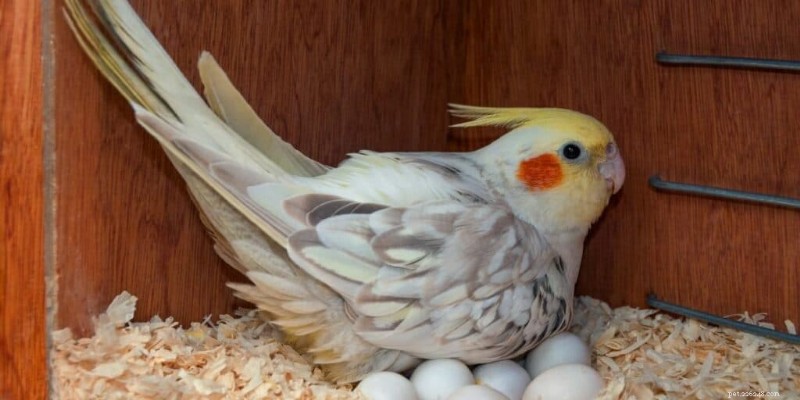 Cinnamon Pearl Cockatiels with eggs
Bonding With Your Cockatiel
Building trust starts with gentle conversation and consistent, positive interactions. Offer small, healthy treats, provide engaging toys, and allow your bird to explore outside its cage when safe.
Patience is key; it may take weeks or even months for a new bird to fully feel comfortable and loyal.
How Long Do Cockatiels Live?
In the wild, cockatiels typically live 10–15 years. Captive birds, with proper care, can reach 15–25 years, and some individuals have lived up to 30 years.
Longevity is closely tied to a clean environment, balanced diet, regular veterinary check‑ups, and a loving home.
The Ideal Habitat for a Pet Cockatiel
Space is paramount. A cage should be at least twice the bird’s wingspan, with ample room for climbing, perching, and exploring.
Incorporate multiple perches of varying textures, sturdy toys for mental stimulation, and a clear area for food and water to keep droppings away from feeding zones.
Here is the cage we recommend!
What Should You Feed a Cinnamon Pearl Cockatiel?
A balanced diet consists of 25% seeds, 75% high‑quality pellets, and a generous selection of fresh fruits and vegetables.
Safe fruits include mango, melon, kiwi, and apple; vegetables like carrots, broccoli, and corn are also suitable. Always remove seeds or pits to avoid choking or toxicity.
For a visual guide, watch this feeding tutorial.
Socializing and Breeding Your Cockatiel
These birds naturally enjoy the company of others and often prefer living with at least one companion. Proper pairing is essential; incompatible pairs may fight or ignore each other.
When a male and female bond, you may observe grooming, affectionate gestures, and a courtship dance performed by the male to attract the female.
What Are Cinnamon Pearl Cockatiel Young Like?
Hatchlings are bright yellow, covered in soft down, and initially unable to stand. Both parents share incubation duties, and once hatched, chicks receive diligent care.
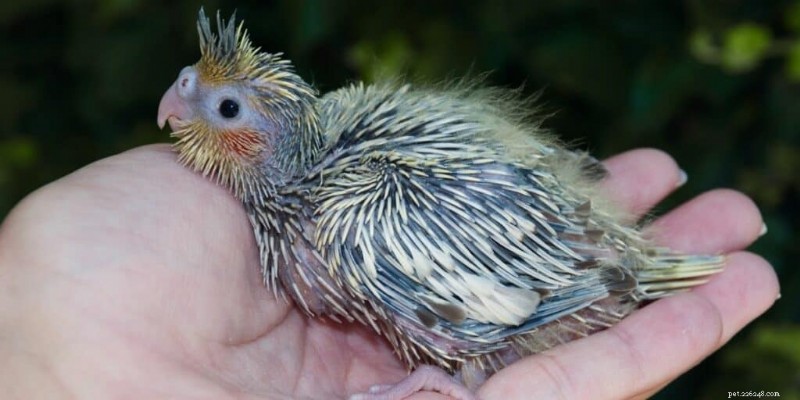 Baby Cinnamon Pearl Cockatiels
Proper Hygiene for the Cinnamon Pearl Cockatiel
Clean the cage weekly to prevent odors and disease. Replace water daily and discard perishable foods promptly.
To disinfect, empty the cage, scrub with a dedicated brush and mild detergent, then soak in a diluted bleach solution for 15 minutes. Rinse thoroughly and dry before reassembling.
Pets and Other Dangers to Consider
When selecting a cage location, keep it away from cats, dogs, and other potential predators. Avoid noisy rooms or areas with constant TV or electronic noise.
Shield your bird from smoke, drafts, and extreme temperatures, which can compromise its health.
Ultimately, the Cinnamon Pearl Cockatiel’s beauty, loyalty, and sociable nature make it a beloved companion for those ready to provide attentive care.
- 308 Perfect Dog Names Beginning with T – A Comprehensive Guide
- Frisian Water Dog (Wetterhoun): Comprehensive Breed Profile & Care Guide
- Do Dogs Detect Pregnancy? How Canines Sense Expectant Mothers
- Hybridmaster Cattle: A Robust, Cost-Effective Breed for Tough Environments
- Teaching Your Senior Dog a New Trick: Handshake Training Made Easy
- Recognizing Anxiety in Cats: Key Signs and How to Help
- Pointer Dogs Explained: Breeds, Hunting Roles, and Modern Applications