

How Long Should a Parrot’s Claws Be? Expert Guide to Healthy Nail Care
If you’re wondering how long a parrot’s claws should be, you’re likely avoiding an essential task that many owners dread. Trimming your parrot’s nails isn’t for the faint‑hearted—it’s a vital part of maintaining your bird’s overall health and comfort.
In the wild, parrots keep their claws naturally trimmed by constantly foraging, climbing, and perching on a variety of branches. Captive birds, however, miss this natural exercise, so their nails often grow too long and require regular maintenance.
Knowing the right length to aim for gives you confidence and keeps your parrot’s feet healthy. Below is a comprehensive, step‑by‑step guide on what to look for and how to trim safely.
Why Parrot Claws Matter
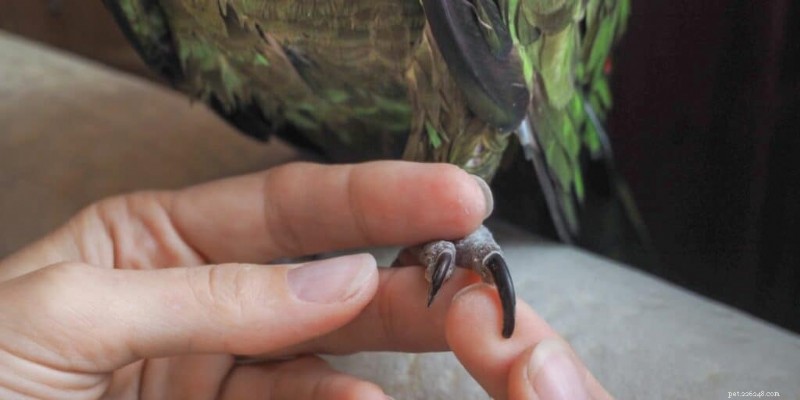
Each of the four toes on a parrot’s foot ends in a curved toenail—eight claws in total. These nails act like hands, feet, and tools, allowing the bird to perch, walk, and manipulate objects. When they become overgrown, they can compromise balance, cause foot injuries, and even lead to infections.
What Does a Healthy Claw Look Like?
Because there are hundreds of parrot species, there isn’t a single “one‑size‑fits‑all” length. Instead, a healthy claw:
- Does not wrap completely around the perch.
- Shows a clear, even edge when you press it gently.
- Allows your bird to perch naturally without leaning or slouching.
- Doesn’t interfere with the bird’s ability to grasp toys or food.
If you notice any of these signs, it’s time to trim.
Key Indicators Your Parrot Needs a Trim
- Uncomfortable Perching: Prefers one foot or walks on the floor.
- Overgrown Appearance: Nails curl around the perch or appear excessively long.
- Scratching During Handling: Sharp claws dig into your fingers.
- Toy Dropping: Nails interfere with grasping toys.
- Claw Entrapment: Nails get stuck in clothing or toys.
- Dry, Scaly Foot Skin: Overgrowth can cause cracks, sores, or infection.
Most parrots require trimming every 8–12 weeks, depending on growth rate.
Can I Trim My Parrot’s Claws?
Absolutely. Many owners trim at home after building trust and practicing gentle handling. If you’re unsure, a professional vet can perform the trim safely and efficiently.
Step‑by‑Step: Trimming Parrot Claws at Home
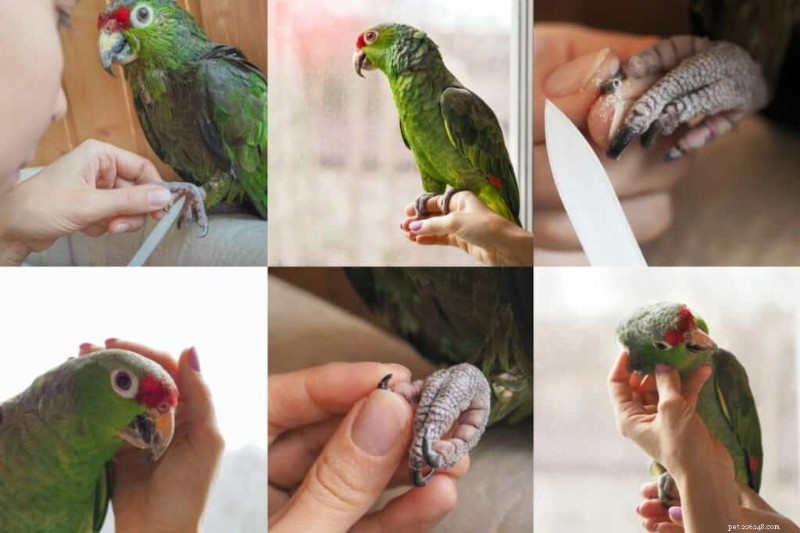
- Wrap the parrot in a soft towel, leaving the head free but supported. Acclimate your bird to the towel before starting.
- Expose each toe by gently lifting it. Look for the bright “quick” inside the nail to avoid cutting into it.
- Use a bird‑specific nail clipper, guillotine clipper, or electric file. Trim only a small amount at a time.
- Apply a styptic powder (e.g., Miracle Care Kwik Stop) if you accidentally cut the quick to stop bleeding.
Tools:
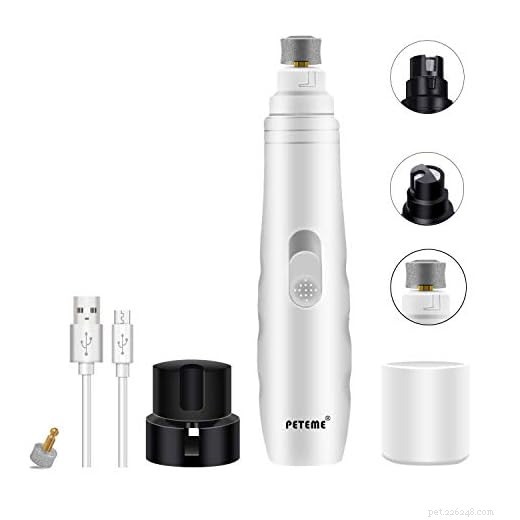
- Peteme Dog Nail Clippers: 2‑speed, electric, portable, rechargeable—also suitable for small to large birds. Amazon
- Miracle Care Kwik Stop Styptic Powder: 0.5 oz, fast‑acting, benzocaine for pain relief. Amazon
Important Reminders
- Trim only a tiny portion; cutting too much can expose the quick.
- If bleeding occurs, press a clean cotton ball or apply styptic powder until it stops.
- Always reward your bird with a treat and praise to create a positive experience.
Final Thoughts
Regular claw care is a straightforward, essential part of responsible parrot ownership. With a calm approach, the right tools, and the right signs to watch for, you can keep your feathered friend’s feet healthy and happy.
Remember: a well‑trimmed claw means better balance, fewer foot problems, and a happier bird.
- Understanding Why Border Collies Run in Circles: Insights into Their Energetic Nature
- Pet Obesity Hits 8th Consecutive Year, Experts Warn of Rising Health Risks
- Sharing Plates with Your Dog: Safe or Risky? Expert Guide
- Top 7 Human Foods Dogs Must Avoid – Expert-Backed Reasons
- How to Safely Transport Your New Rescue Dog: 5 Essential Car Prep Tips
- Canister Filters in Saltwater Aquariums: Versatile Mechanical, Chemical & Biological Filtration
- English Springer Spaniel: Traits, Temperament, and Care Guide