

7 Exotic Pet Birds: Expensive, Rare, and Care‑Intensive
Choosing an exotic bird as a pet is a significant commitment. These birds can be striking in appearance, possess unique vocalizations, and often require specialized care.
#1 Victoria Crowned Pigeon
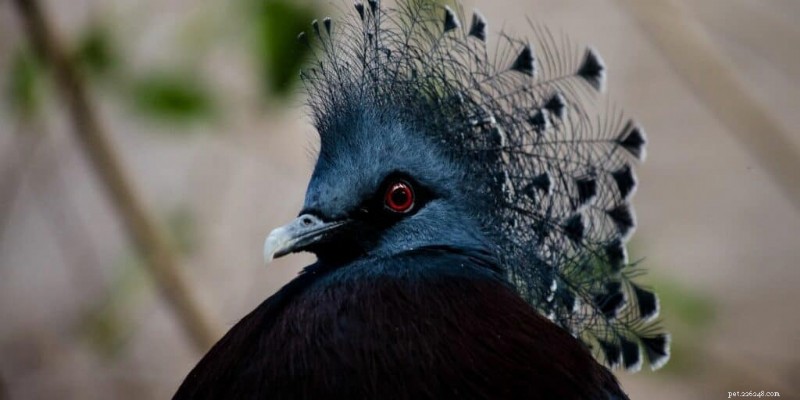
The Victoria Crowned Pigeon (Treron victoriae) is renowned for its iridescent plumage and the fan‑shaped crest that crowns its head—resembling miniature peacock feathers. The crest is used in courtship displays and gives the bird a regal appearance. Because it is a rare species, prices on the secondary market can be high.
In captivity these pigeons prefer a spacious floor area over perches. Provide a secure room or outdoor enclosure with solid footing so they can move freely. They rarely fly unless startled.
#2 Hyacinth Macaw
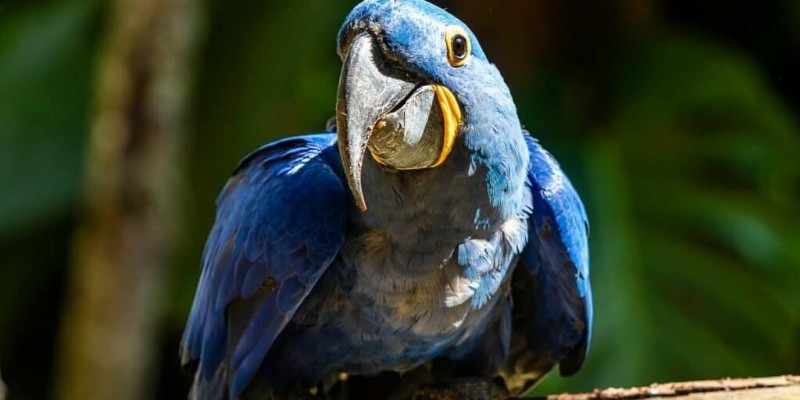
The Hyacinth Macaw is the world’s largest macaw, measuring up to 3 ft from bill to tail tip. Its striking cobalt blue plumage is accented by yellow around the eyes and beak. Due to its size, a Hyacinth Macaw can cost as much as $10 000 and requires a large aviary to accommodate its daily exercise needs.
Despite their size, these macaws are gentle and form strong bonds with attentive owners. They thrive in environments that offer mental stimulation and regular interaction.
#3 Golden Conure / Golden Parakeet
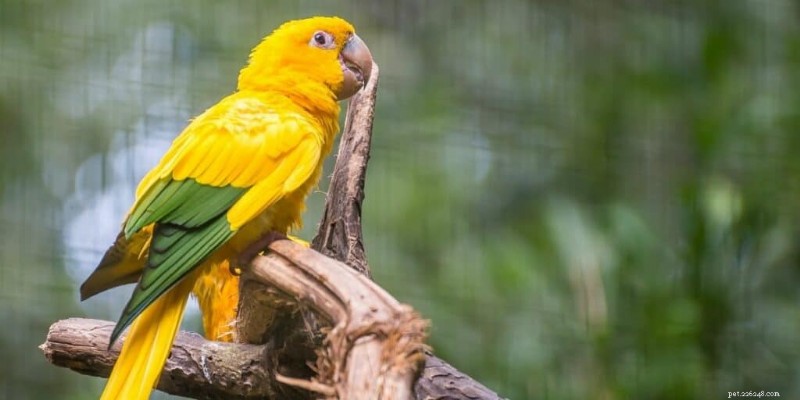
The Golden Conure (also known as the Golden Parakeet) is a vibrant yellow‑green bird that is now endangered in the wild. Importation from the wild is prohibited, so only captive‑bred individuals are legally available. Their striking coloration and playful personalities make them a coveted pet, but they require ample social interaction and can be trained to perform tricks.
These parrots thrive on companionship and benefit from enrichment such as puzzle toys and vocal training sessions.
#4 Owl
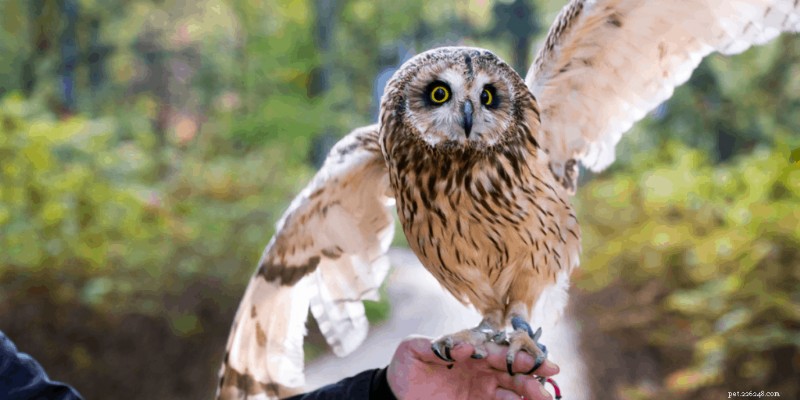
Owls are nocturnal hunters with a keen sense of hearing and night vision. Keeping an owl as a private pet disrupts its natural circadian rhythm and can cause serious welfare issues. While zoos and accredited menageries provide the necessary care, most individuals lack the expertise to meet an owl’s dietary and environmental needs.
For these reasons, owning an owl as a pet is strongly discouraged. If you are interested in owls, consider supporting a conservation organization or visiting a reputable wildlife sanctuary.
#5 Cockatoo
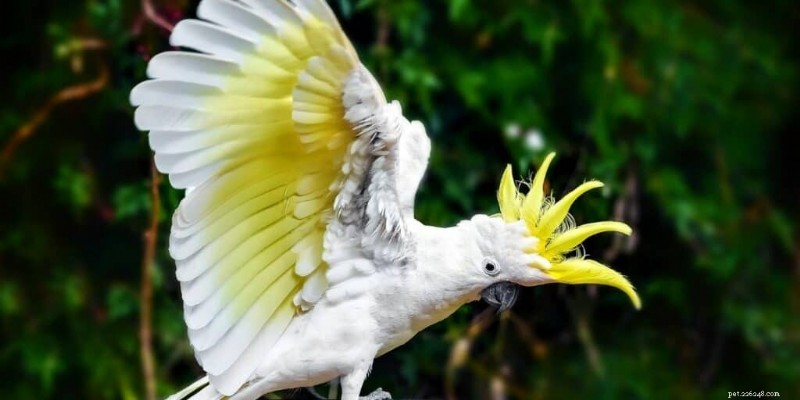
Cockatoos are distinguished by their prominent head crests and are highly intelligent. The Black Palm Cockatoo, with its mostly grey plumage and black crest feathers, is among the rarest. The Salmon‑Crested Cockatoo showcases a striking pink crest and orange plumage.
These birds are excellent at mimicking sounds but may not consistently reproduce human speech. Their vocalizations can serve as a form of auditory camouflage in the wild. Positive‑reinforcement training can harness their natural mimicry for interactive communication.
#6 Macaw
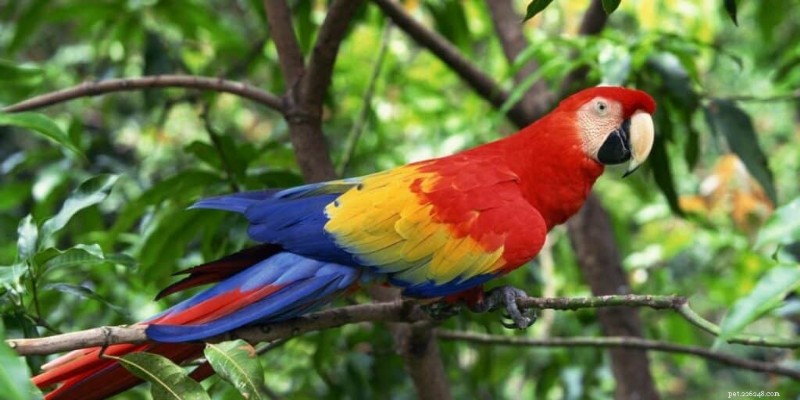
Macaws are iconic for their bold coloration and impressive size. The Red‑and‑Green Macaw is one of the heaviest, weighing up to 2.5 lb. These parrots demand generous space, daily exercise, and a protein‑rich diet. Potential owners should research the species’ specific needs before commitment.
#7 Emu
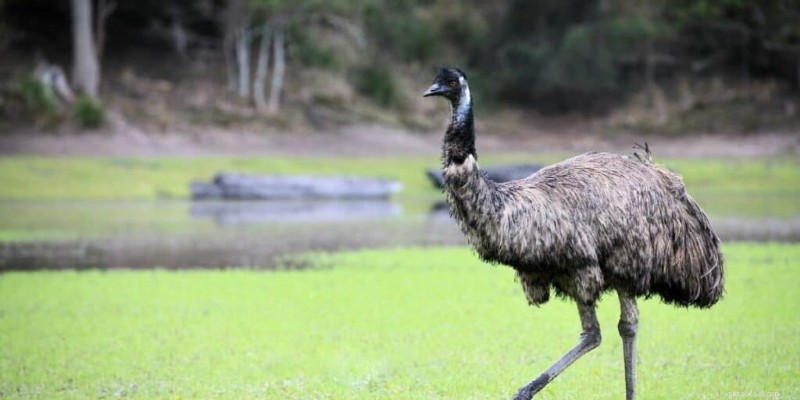
The Australian Emu can reach 6 ft in height and accelerate up to 31 mph. It is the world’s second‑largest living bird. Because of their size and speed, a dedicated enclosure such as a fenced paddock is essential, along with a supply of dust, mud, and water for self‑cleaning.
In many jurisdictions, owning an emu requires a special license, and the responsibilities resemble a full‑time job rather than a hobby. Verify local regulations and assess your capacity to provide long‑term care before considering an emu as a pet.
Final Thoughts
Choosing a pet bird for its exotic appearance alone can overlook the animal’s specific care requirements. Each species brings unique behavioral and environmental needs that must be met to ensure a healthy, fulfilling relationship.
When evaluating a potential exotic pet, consult reputable breeders, veterinarians, and wildlife experts. Prioritize the bird’s welfare over the allure of rarity.
- Top Athletic Dog Breeds by Sport: From Dock Diving to Hurdle Jumping
- Decoding Your Cat’s Tail: A Guide to Understanding Their Body Language
- 3 Proven Reasons Chinchillas Bite—and How to Stop It
- Freshpet Finds New Fans: Wolves at Lakota Preserve Love the Treats
- Bernese Mountain Dog: Loyal, Gentle Giant – A Guide to Health & Care
- Are Carrots Safe for Dogs? Health Benefits & Feeding Tips
- DIY Pet Grooming at Home: Easy Steps for Cats, Dogs & Small Pets