

Parakeet Lifespan: How Long Do They Live, Age Calculator, and Signs of Aging
First recorded in 1805, parakeets are among the world’s most beloved pet birds, celebrated for their small size, low maintenance, and impressive mimicry.
With roughly 115 distinct species, these slender birds come in a dazzling array of colors and patterns.
How Long Do Parakeets Live as Pets?
Their lifespan varies by species. A monk parakeet can live 15‑20 years, a plain budgerigar averages 15 years, while a budgerigar may only reach 5‑10 years.
Improper care shortens their life by several years—a significant loss in avian years.
| Species | Lifespan (Pet) |
|---|---|
| Budgie | 15‑20 Years |
| Lovebirds | 10‑15 Years |
| Amazon Parrot | 25‑75 Years |
| African Gray Parrot | 40‑60 Years |
| Canaries | 10 Years |
| Cockatoos | 18‑60 Years (species‑dependent) |
| Macaws | 30‑50 Years (species‑dependent) |
| Pionus Parrots | 20‑25 Years |
| Lorikeets | 12‑30 Years |
| Finches | 4‑9 Years |
| Eclectus Parrots | 25‑50 Years (species‑dependent) |
| Cockatiels | 8‑15 Years |
Parakeet Age Calculator
While no universal rule exists, many experts estimate that one parakeet year equals roughly 5‑6 human years.
To estimate your bird’s age, divide the average human life expectancy (≈80 years) by the number of years you’ve had the bird.
For example, a 15‑year‑old budgie: 80 ÷ 15 ≈ 5.3 human years per parakeet year.
Use this as a guideline and observe your bird for signs of aging.
'Best‑selling online cage for your parakeet' on Amazon ↗️
Recognizing Aging in Parakeets
Parakeets reach full maturity within 1‑2 years. Below are practical indicators to assess age and health.
Cap Feather Development
Young birds (<3‑4 months) display striped caps. After the first molt around 3‑4 months, the stripe disappears and a feather cap appears. Exceptions include Albino, Lutino, and Recessive Pied varieties.
Eye Color Changes
Chicks have black eyes lacking visible irises. Between 4‑8 months, dark gray irises develop, while mature birds show light gray or brown. Red‑eyed varieties (Lutino, Fallow, Albino, Lacewing) and Recessive Pieds maintain pink or dark plum eyes.
Beak and Cere Maturation
Newborns exhibit dark beaks and cere due to high melanin. As they age, these dark tones fade to blue, violet, pink, or light brown, varying by breed.
Leg Band Identification
Leg bands often contain breeder code, birth year, and pedigree number. If your bird lacks a band, contact the seller for documentation.
Beware of misrepresented ages; some breeders may sell older birds as younger.
Health Conditions That Shorten Lifespan
Parakeets can suffer from parasites, fungal infections, and injuries that dramatically reduce longevity.
Parasites
Scaly skin on legs and beak can signal mites (e.g., knemidokoptes). Treat promptly with antiparasitic agents such as ivermectin. Protozoal parasites like trichomonas target the throat, causing appetite loss and respiratory symptoms. Intestinal worms (threadworms, roundworms) also pose risks.
Candidiasis
A yeast infection in the digestive tract presents as loose droppings, foul vomiting, and lethargy. Veterinary treatment and a sugar‑free diet are essential.
Injuries
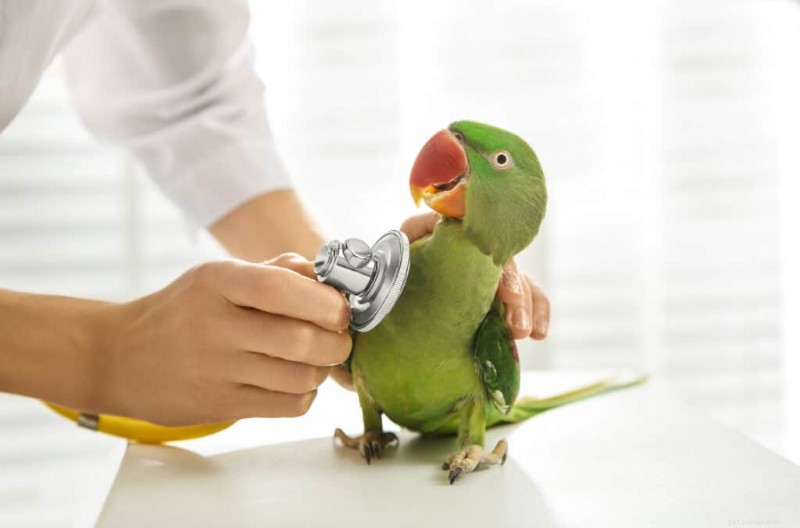
Curiosity may lead to accidental ingestion of toxins or physical trauma. Ensure a bird‑proof environment and seek prompt veterinary care at any sign of illness.

Common Signs of Illness
- Aggressiveness: Sudden refusal of interaction or snapping.
- Dehydration: Panting, flared nostrils, hot beak/feet, wing fluttering.
- Daytime Sleep: Excessive daytime rest may indicate mite infestation.
- Excessive Squawking: Persistent vocalization can signal distress.
- Droppings: Deviations from the typical 'burnt‑popcorn' stool—loose, greenish, grayish, or bloody—signal health issues.
- Hot Feet: Warmth beyond normal can reflect kidney problems or obesity; monitor closely.
Bottom Line
Parakeets typically live 10‑14 years, but lifespan varies by species—from 5‑10 years for budgerigars to 15‑20 years for monk parakeets, and even up to 29 years as recorded for Charles, the world’s longest‑living parakeet.
Proper nutrition, regular vet visits, suitable housing, and daily exercise can extend their life and enhance quality of care.
- Homemade Peanut Butter & Parsley Dog Treats: Nutritious & Delicious
- Why Does My Cat Drool When I Pet Her? Causes & Solutions
- Understanding Cat Stomatitis: Essential Information for Cat Owners
- Top 6 Pet Releaf CBD Products to Boost Your Pet’s Well‑Being
- Pomeranian Growth & Weight Guide: Accurate Chart & Expert Tips
- 7 Proven Ways to Reduce Vet Visit Anxiety in Dogs
- Why Dogs Lick Carpets: Causes, Consequences, and How to Stop It