

How Long Do Budgies Live? Expert Guide to Their Lifespan & Care
Before committing to a budgie, most owners want to know how many years they’ll share together. Several factors—genetics, environment, and daily care—shape a budgie’s lifespan.
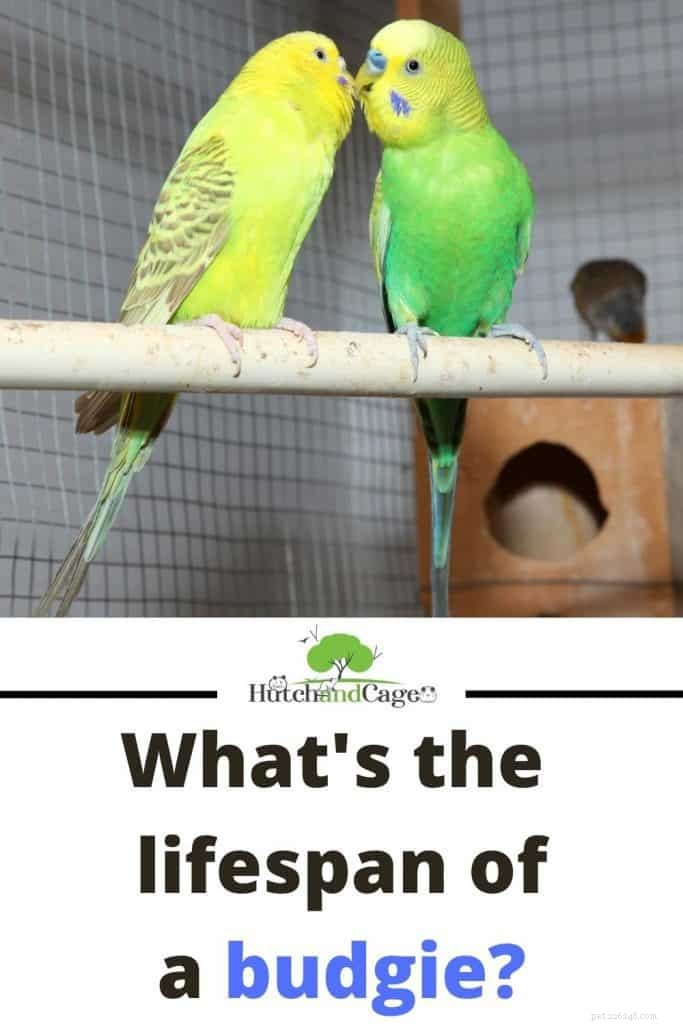
In the wild, budgies live about 5–8 years. In captivity, the average range is 5–10 years, with well‑cared birds reaching 10–15 years—though such longevity is uncommon but attainable.
By providing optimal nutrition, hygiene, sleep, and enrichment, you dramatically increase the chances of a long, joyful life for your feathered companion.
How to Extend Your Budgie’s Life
Balanced Diet
A robust diet mirrors the foods budgies naturally forage—seed, fruit, veg, and protein. Relying solely on mass‑produced dry seed mixes can lead to nutritional gaps, as these seeds may lack essential vitamins and minerals.
Keep seed at no more than 20 % of their daily intake and supplement with:
- Raw fruits and vegetables—especially dark leafy greens, broccoli, pumpkin, spinach, and sweet potatoes.
- High‑quality seed blends (e.g., Wild Harvest Advanced Nutrition Diet for Parakeets, 4.5 lb).
- Protein sources such as boiled egg, mealworms, or commercial budgie pellets.
Adding an organic fruit and vegetable mix daily provides a spectrum of nutrients. The raw preparation preserves heat‑sensitive vitamins that cooking would otherwise diminish.

Supplementary Minerals
Include a mineral block or cuttlebone to supply calcium and trace elements that might be missing from the diet. Place the cuttlebone with the soft side inward so your budgie can gnaw on it naturally.

Hygiene and Cleanliness
Maintaining a clean cage is vital for preventing infections. Replace bedding, wipe surfaces, and clean water sources regularly. Use bird‑safe cleaners—vinegar diluted in water works well and is non‑toxic.
A water bottle reduces spillage and keeps the liquid free from fecal contamination, which helps maintain a healthier environment.
Bathing once or twice a week in a shallow dish encourages feather maintenance and offers a calming activity for your budgie.
Sleep Requirements
Budgies need 10–12 hours of uninterrupted rest each day. Provide a quiet, dimly lit space—use a cage cover if natural darkness is unavailable. Low ambient noise and a calm room help them fall asleep more easily.
If your budgie displays nighttime agitation, gently open the cage cover or switch on a low light and speak softly to soothe them.
Exercise and Enrichment
Natural flight and foraging keep budgies mentally and physically fit. If an aviary isn’t feasible, allow supervised free‑flight sessions in a bird‑proofed room. Include a variety of toys—climbing branches, mirrors, and puzzle feeders—to stimulate activity and prevent boredom.
Conclusion: Maximizing Your Budgie’s Lifespan
With attentive care—balanced nutrition, proper supplements, strict hygiene, adequate sleep, and regular exercise—budgies can thrive for up to 15 years. These practices not only extend lifespan but also enhance the quality of life, creating a deeper bond between you and your feathered friend.
- Is Celery Safe for Cats? Benefits, Risks, and Feeding Guidelines
- Can Wild Horses Be Tamed? Expert Insights & Training Guide
- The Evolution of Cat Coat Colors: A Quick Scientific Guide
- Effective Relief for Your Dog’s Itchy Skin: Top Treatments & Foods
- How Urban Birds Use Cigarette Butts to Ward Off Ticks and Mites
- Sphynx Cat Breed Profile: Characteristics, Care, and Adoption Guide
- Key Indicators Your Dog Is About to Give Birth