

What Is a Group of Ravens Called? The Surprising Term You Didn't Know
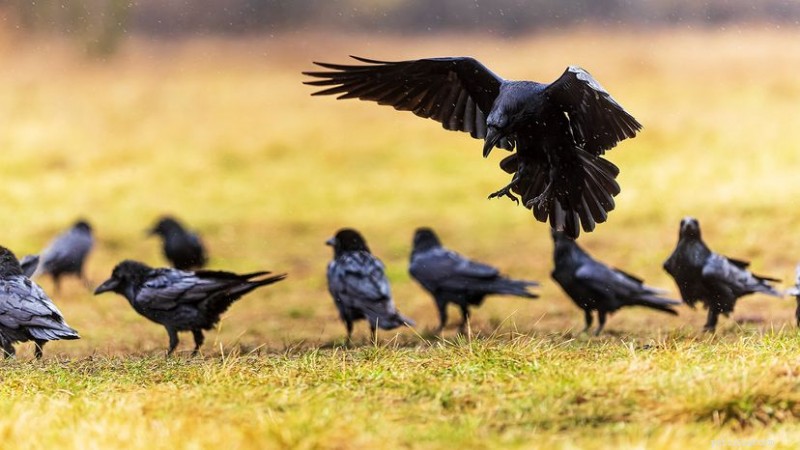
When you see a band of ravens swooping across a forest or perched on a fence post, you might wonder: what do we call that group?
It’s more than a simple collective noun—it’s a window into centuries of folklore, mythology, and scientific insight.
Beyond a Flock: The “Conspiracy” of Ravens
Unlike many bird species that simply travel in flocks, ravens are often described as a conspiracy. The phrase conjures images of shadowy councils and whispered secrets, a reflection of the bird’s storied reputation for prophecy, trickery, and wisdom in northern cultures.
Other historical terms include an unkindness of ravens, a reminder of older European folklore that painted them as harbingers of death and bad omens.
Intelligence, Social Bonds, and Memory
Ravens rank among the world’s most intelligent animals. They use tools, solve complex puzzles, and can mimic human voices. Research shows they can recognize individual human faces, remember threats, and even hold grudges based on past interactions.
In the wild, ravens form strong social bonds. Mated pairs often stay together for life, while juveniles engage in playful behavior and sophisticated vocal exchanges—ranging from chattering and croaking to sounds that mimic water droplets.
Mythology and Folklore: Ravens as Messengers
In Norse legend, Odin’s two ravens—Huginn (thought) and Muninn (memory)—scanned the world to bring him knowledge. Across the northern hemisphere, ravens have been symbols of omens, prophecy, and the boundary between life and death.
Literature echoes this theme; Edgar Allan Poe’s poem “The Raven” uses the bird as a symbol of loss and haunting memory.
Social Dynamics in the Wild
Ravens exhibit complex social structures. While mated pairs defend territories, younger or unattached birds gather in loose groups, gaining protection, shared information, and social interaction.
Unlike the rigid V‑formations of geese or the mass murmurations of starlings, raven groups are flexible and informal, allowing them to thrive in diverse environments—from dense forests to human settlements.
Language, Culture, and Connection
Collective nouns like “conspiracy” or “unkindness” are more than quirky phrases—they reflect human interpretation of animal behavior. Other birds have unique group names too: a parliament of owls, a murder of crows, a charm of finches, and a company of parrots.
Our article was crafted with AI assistance, then rigorously fact‑checked and edited by a HowStuffWorks editor to ensure accuracy and trustworthiness.
- Canine Spinal Stroke: Recognizing, Responding, and Managing Fibrocartilagenous Embolism
- Are Cherries Safe for Dogs? Expert Tips for a Healthy Treat
- Devon Rex Cat: A Complete Breed Guide – Features, Care, and Health
- Identify Plants That Are Toxic to Cats: A Guide for a Safe Home
- Do Dogs Experience Love? Understanding Canine Affection
- Illinois Offices Welcome Foster Cats: A Heartwarming Initiative to Reduce Shelter Overcrowding
- Are Olives Safe and Nutritious for Cats? What You Need to Know