

Why Some Cats Choose Not to Hunt Mice: Insights Into Their Behavior
Cats are supposed to be natural-born hunters. Put them in a barn, a warehouse, or your kitchen, and they’ll earn their room and board by chasing away pests and vermin.
But what happens when they don’t? There are some cats that live for the thrill of the hunt, but for other felines, batting around a catnip mouse is as close as they ever get to killing prey. Are cats that choose not to hunt some kind of prodigal link in the chain of kitty ancestry? Are they four-legged pacifists making a statement about stereotypes? Are they simply too lazy to hunt effectively? While every cat is different, these explanations don’t seem to fit the bill. Instead, researchers are studying instinctual behaviors versus learned behaviors in cats.
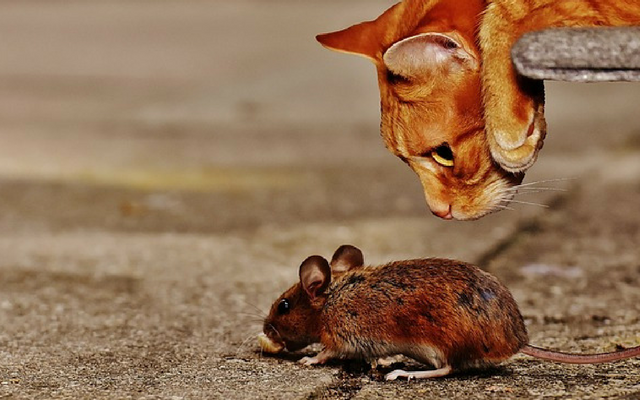
Instinct or Lesson Learned?
According to Sciencing, the difference between instinctual and learned behaviors is easily explained, but not as easily identified in nature. They say,
An example of an indisputable instinctual behavior is when a newborn mammal seeks out their mother to suckle and nurse. They’re usually only a few minutes old, but they somehow know exactly what to do. The scientific explanation for this life-giving phenomena is that mammals are born knowing this basic act of survival. The knowledge is genetically programmed and passed on through generations.
Newborn kittens don’t need to be taught how to suckle, but there are several other behaviors that don’t come as naturally. These are learned behaviors. Learned behaviors require time and experience. A cat that seems to be able to tell time because they go to their food bowl at exactly 7 p.m. every night has learned through experience when to expect a meal. They weren’t born with an internal alarm clock that knows 7 p.m is dinner time, but they figured it out anyway.
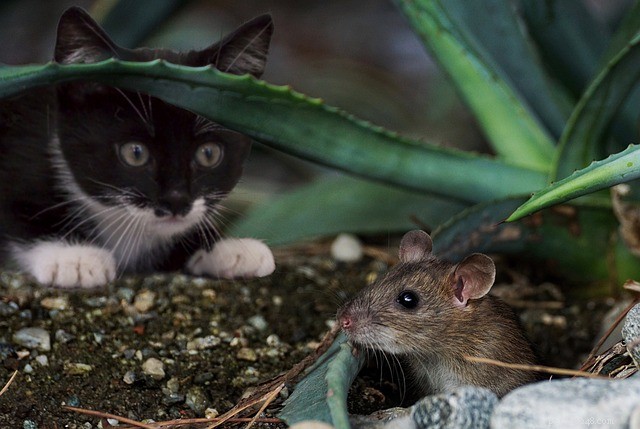
A Blurry Line
Not all behaviors are easily categorized as either instinct or learned. There’s debate on what comes naturally to cats and what only appears to come naturally. Hunting and killing prey is an example. While most assume the urge to chase mice is something all cats have, that doesn’t explain why some felines choose to ignore and even make friends with small prey. They could be missing that genetic programming, or it could actually be a learned behavior.
To find an answer, experimental psychologist Professor Kuo Zing Yang ran a decade-long experiment starting in the 1920s. He raised several solitary kittens without influence from their mothers at the same time as he cared for families of cats. His goal was to determine if cats instinctively know how to hunt and kill prey or if it’s a lesson learned from mom.
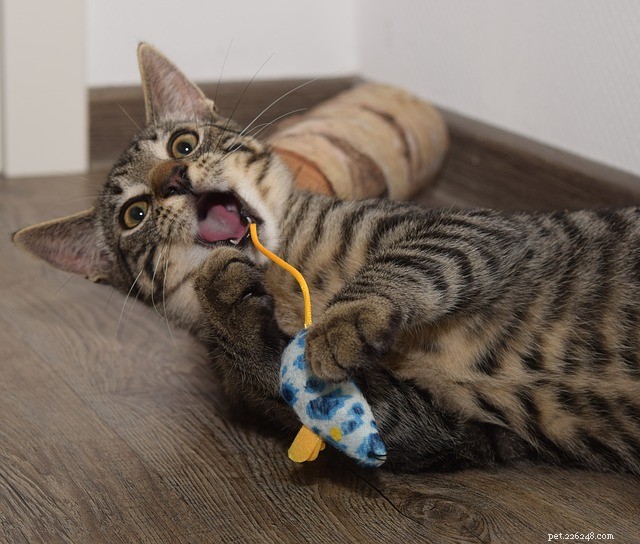
According to his results, kittens that are raised by mother cats that are hunters will grow up to be hunters themselves. Kittens that are raised by either humans or mother cats that don’t hunt will more often ignore a mouse than treat it as prey. Professor Kuo’s study was published in the Journal of Comparitive Psychology in 1930. He wrote,
It’s All About Mom
With Professor’s Kuo’s experiment, the predatory behavior in cats is thought to be less about instinct and more about how they’re raised. Other researchers and cat behaviorists categorize hunting as a combination of both instinct and learned behavior. The cat training and behavior site Perfect Paws says,
Kittens take after their mothers, and if the mother cat comes from a generation of hunters, she’s likely to pass that trait on to her offspring. Her kittens already have the instinct to follow movement, but it’s up to her to mold that innate behavior into a successful hunt. She teaches through example how to stalk, pounce, and kill.
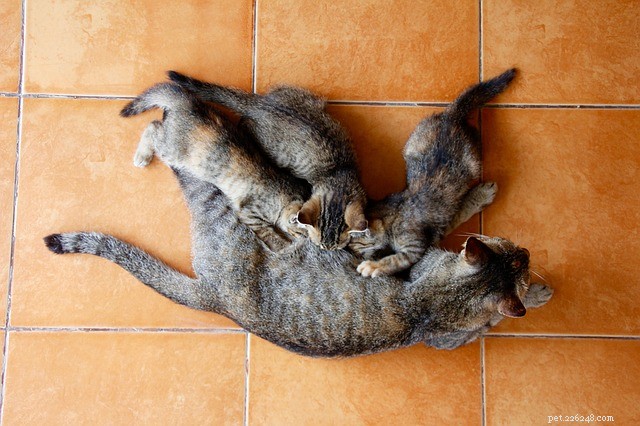
Kittens that are separated from their mothers early miss out on this life lesson. The same concept applies to kittens that are born and raised by mothers that don’t hunt. If the mother cat never learned to hunt, she won’t teach her kittens.
This theory could explain why the kitten you found abandoned at only a few days old is more likely to watch a mouse chew through your pantry than chase it away. If you’re looking for a cat that’ll protect the homestead from all things rodent, a kitten that comes from a family of hunters is your best bet. There’s no clear answer to what’s instinct and what’s learned, but researchers continue to seek results. In the meantime, accept your kitty for what they are; skilled hunter or harmless observer, they’re not doing anything wrong.
(h/t: Sciencing, Journal of Comparitive Psychology, Perfect Paws)
- Pet Behavior
- Pet Breeds
- Pet Names
- Pet Adoption
- Pet Training
- Cat Stories
- Pet Health
- Adorable Pets
- Cats
- Do All Cats Enjoy Hunting? Unpacking the Truth Behind Domestic Cats' Predatory Instincts
- Why Cats Chatter: Decoding Their Mysterious Chirps
- The Science Behind Cat Pouncing: Instinct, Play, and Evolution
- Why Cats Avoid Eye Contact With Other Cats: A Guide to Understanding Their Behavior
- Understanding Why Some Cats Dislike Belly Rubs
- Why Cats Meow: Decoding Their Vocal Signals
- Why Do Indoor Cats Often Leave Their Killed Prey Untouched?