

Why Cats Wiggle Their Butts Before Pouncing: The Science Behind the Playful Quirk
One of the most heart‑warming feline behaviors is the subtle wiggle of a cat’s hindquarters just before a pounce. Watch your kitty as it crouches low, tail twitching and eyes wide, then suddenly shakes its bottom—often right before it lunges at your ankles or a toy mouse. While adorable, this movement has a practical purpose rooted in instinct and physics, not merely cuteness.
Table Of Contents
- Big Cats Also Wiggle Their Butts
- Why the Wiggle Occurs
- Common Explanations for the Behavior
- Seeking Traction
- Stretching and Warming Up
- Excited Jitters
Big Cats Also Wiggle Their Butts
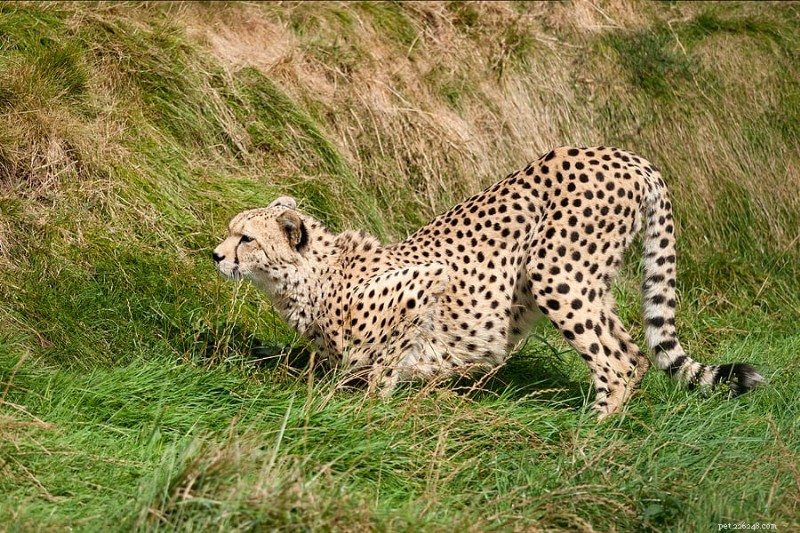
Domestic house cats aren’t the only felines that perform this pre‑pounce wiggle. Observe lions, jaguars, or tigers in the wild, and you’ll see the same movement. For a big cat, a failed attack can mean missing an entire meal; the instinct to secure a successful strike is far more critical than for a household pet. This shared behavior signals an inherited, adaptive trait that survives domestication.
Because wild felines exhibit it, the wiggle is likely an evolutionary mechanism rather than a random quirk. The fact that our lap‑cats still perform it demonstrates how deeply embedded this instinct is.
Why the Wiggle Occurs
While no peer‑reviewed studies focus exclusively on this behavior, experts in feline biomechanics and behavior have offered well‑reasoned hypotheses. These theories are grounded in observable physiology and the demands of a high‑powered, rapid strike.
Common Explanations for the Behavior
Seeking Traction
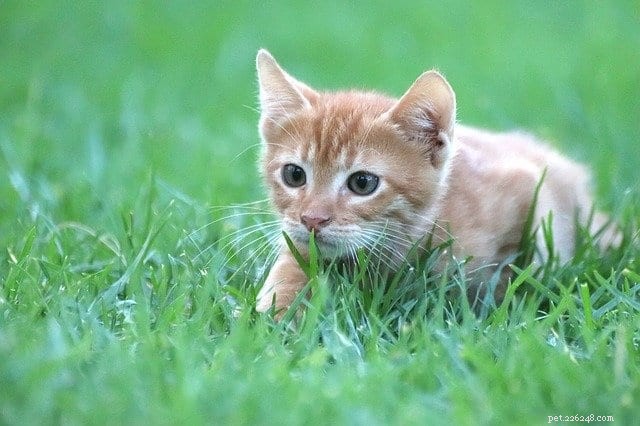
John Hutchinson, a professor of evolutionary biomechanics, proposes that the wiggle is less about the hindquarters and more about the ground. By subtly shifting its rear, a cat can test the firmness of the surface beneath its hind feet. The forward momentum of a pounce relies entirely on a solid push from the back legs; any slip would compromise the attack. This micro‑adjustment ensures the cat has a secure footing before it launches.
See also

Stretching and Warming Up
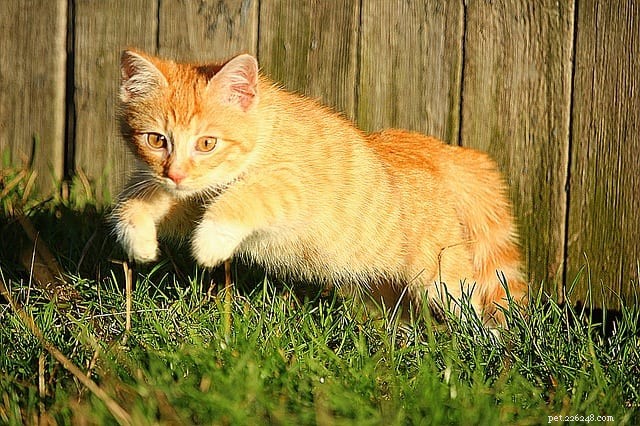
A pounce demands explosive power from the cat’s hind muscles. The wiggle serves as a dynamic warm‑up, much like a baseball player’s swing or a sprinter’s pre‑race stretch. By flexing and extending the rear musculature, the cat primes its tendons and joints for maximum force output.
Excited Jitters
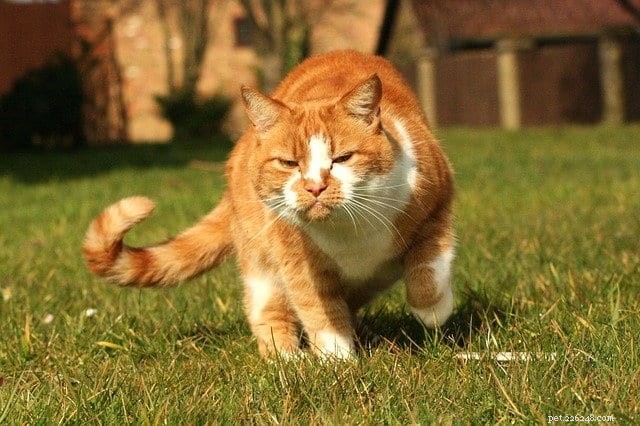
High levels of adrenaline accompany a predatory chase. Certified cat behavior consultant Marilyn Krieger suggests that the wiggle is an involuntary expression of excitement, channeling the animal’s energy before the leap. The movement is comparable to a child bouncing before heading to the playground.
When you see your cat’s posterior twitch just before a pounce, consider whether it’s testing traction, warming muscles, or simply brimming with anticipation.
Was this article helpful?
YesNo
- Pet Behavior
- Pet Breeds
- Pet Names
- Pet Adoption
- Pet Training
- Cat Stories
- Pet Health
- Adorable Pets
- Cats
- Target Training: Teach Your Dog to Follow Commands with Precision
- 12 Nutritional Foods to Strengthen Your Dog's Joints
- Jo Morrison Climbs 30,314 ft to Fund Isle of Wight Cats
- Puppy Vaccination Guide: Why, What, and Timing
- Decoding Dog Behavior: What Every Owner Should Know
- Do Hamsters Hibernate? Insights for Wild and Pet Populations
- Create a Playful Kitten Fort: Easy DIY Guide