

Why Cats Curl Their Paws: Veterinary Insights Into a Common Behavior
Our feline companions delight us with a range of charming behaviors—from kneading and loafing to following us around the house. While many of these antics are easy to interpret, some require a deeper understanding. One such behavior is paw curling, which can signal comfort, stretch, temperature regulation, or even discomfort. Below is a concise guide, backed by veterinary science, to help you read what your cat’s paw position reveals.
Table of Contents
- What does it mean when cats curl their paws?
- Stretching: A natural feline habit
- Heat conservation: Why warm paws matter
- Signs of pain or injury to watch for
What Does It Mean When Cats Curl Their Paws?
In the wild, cats remain vigilant predators, always ready to flee or pounce. Domesticated cats carry this instinct into their calm, indoor lives. When a cat curls its paws—tucking the pads and claws under the body—it is often a sign of trust and safety. The act indicates that the cat feels secure enough to relax and rest, much like a human tucking their feet under a blanket. It can also serve as a subtle cue that the cat does not wish to be touched, functioning as a personal “Do Not Disturb” signal.
Stretching: A Natural Feline Habit
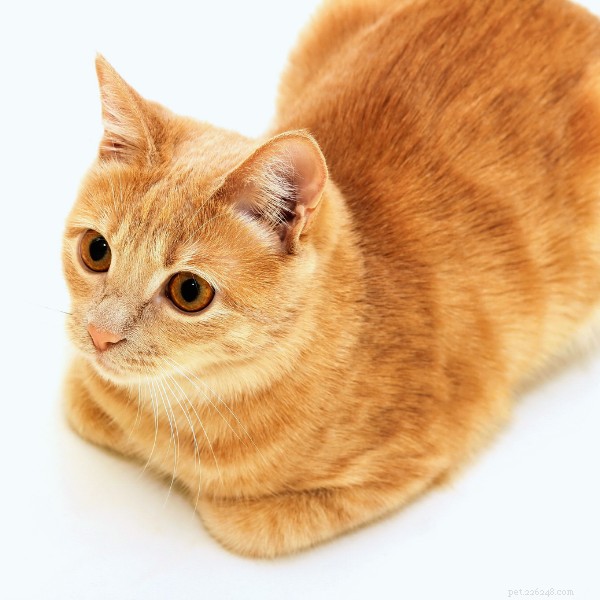
Cats are masters of flexibility, and stretching is essential for maintaining joint health and muscle elasticity. Curling the paws allows the front legs to extend fully, providing a gentle stretch that improves circulation and reduces stiffness. Even a relaxed cat will adopt this posture occasionally, especially after sleeping or before a burst of activity.
Heat Conservation: Why Warm Paws Matter
Temperature regulation is a core instinct for both wild and domestic cats. By curling their paws, cats reduce the surface area exposed to cooler air, trapping body heat and conserving warmth. Conversely, when temperatures rise, cats may flatten their paws to dissipate heat through sweat glands located in the pads. A cat that frequently curls its paws during warmer months may simply be maintaining a comfortable body temperature. If you notice one paw consistently curled while the other remains extended, it could simply be a quirk—some cats develop a favorite paw.
Signs of Pain or Injury to Watch For
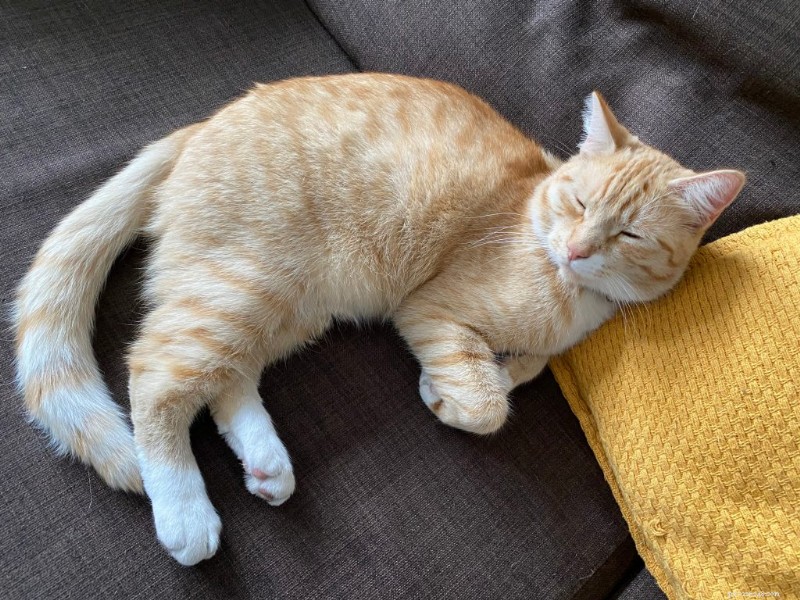
While paw curling is usually benign, sudden changes in the behavior can signal underlying issues. A cat that suddenly begins curling its paws all the time, especially if the action feels stiff or the paw appears swollen, may be protecting an injury. Likewise, a cat that hides its paws behind its body or resists handling may be experiencing pain. If you observe any of these changes, a veterinary examination is recommended to rule out conditions such as arthritis, skin infections, or trauma.
Understanding why your cat curls its paws can deepen the bond you share and help you spot health concerns early. Share this knowledge with fellow cat lovers and keep an eye on your companion’s comfort.
Was this article helpful?
Yes No
- Pet Behavior
- Pet Breeds
- Pet Names
- Pet Adoption
- Pet Training
- Cat Stories
- Pet Health
- Adorable Pets
- Cats
- Meet Big Boy: The Ragdoll Cat of the Week
- Heat Stress Symptoms in Dogs: Immediate Vet Care Needed
- Dachshund Breed Guide: Temperament, Size, Origin & Care
- Common Musk Turtle: The Ideal Pet Choice & Guide to Related Species
- Managing Your Cat's Seizures: Quick, Safe Care Tips
- Essential Pre‑Breeding Health Checks for Dogs
- Understanding Saint Bernard Behavior: Traits, Training, and Care