

Why Does My Cat Exhibit Clingy Behavior? Expert Insights & Solutions
Cats are often seen as self‑contained companions, yet their attachment styles can span from aloof to affectionate. A recent Oregon State University (OSU) study showed that felines form attachments to their owners in a pattern that mirrors children and dogs, with comparable percentages (1).
While affectionate displays are generally positive, a cat that persistently seeks your attention may be exhibiting anxiety, stress, fear, or an underlying medical issue. Such signs warrant a veterinary check‑up to rule out health concerns and develop a tailored plan of care.
Can Cats Be Obsessed With Their Owners?

If your cat seems to follow you like a shadow, it is often a sign that the animal feels safest when close to you, rather than a true obsession.
The OSU study observed each cat for two minutes alone, two minutes with their human, and two minutes together again. About 65% of the kittens demonstrated secure attachment by comfortably balancing time between the human and the room. The remaining cats showed signs of stress, either avoiding their owners or clinging to them—classic indicators of insecure attachment.
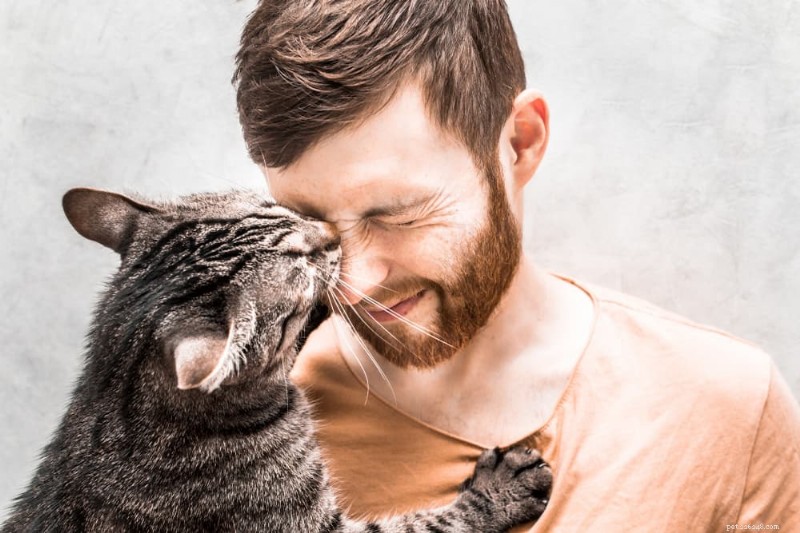
“Cats differ in how they express affection,” says Pam Johnson‑Bennett, certified cat behavior consultant and author of best‑selling titles. “Some cats thrive on physical closeness—licking, cuddling, rubbing, or curling up in a warm lap—while others display attachment by simply staying nearby or sharing a room. Both behaviors are normal, but the key is that the cat can still thrive when you’re not present.”
However, a cat that becomes overly dependent on you can develop separation anxiety when you’re absent. Bennett notes that this heightened attachment can lead to distress and even health issues.
Why Is My Cat So Clingy?
Although research on feline clinginess is limited, experts identify several common triggers.
An Underlying Illness
“When a cat is feeling unwell, it may seek comfort by staying close to a trusted human,” explains Dr. Sasha Gibbons, associate veterinarian at Just Cats Veterinary Hospital. “Lethargy, persistent snuggling, or sudden changes in behavior could signal conditions such as hypertrophic cardiomyopathy, poisoning, or anemia.”
Changes in the Home Environment
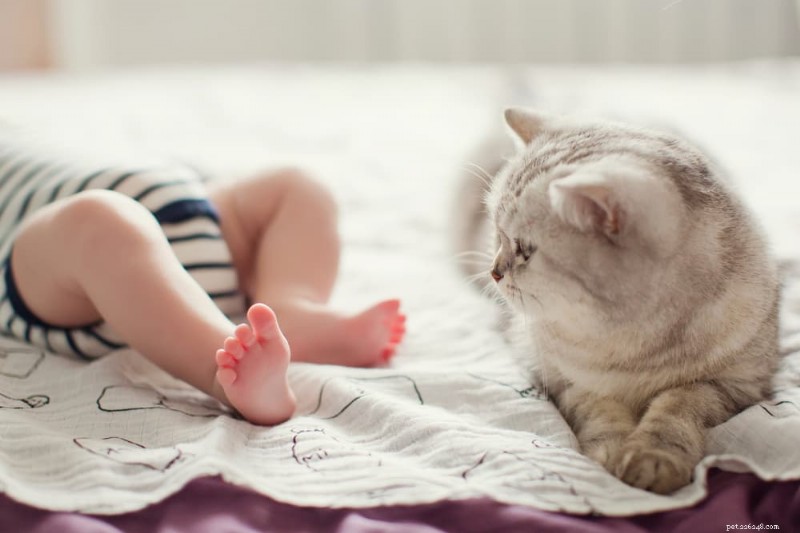
“Cats are highly sensitive to alterations in their surroundings,” says Bennett. “Even a new litter‑box location or a shift in routine can cause stress, prompting a cat to cling to a particular family member.”
Consider recent changes—new pets, a baby, altered schedules, or a family member returning to work—any of which can unsettle a cat’s sense of security.
Stress and Trauma
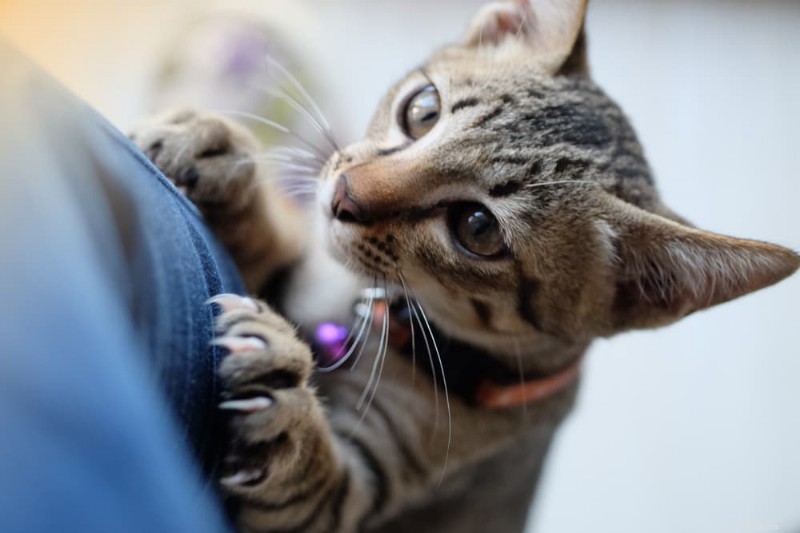
Kittens orphaned, weaned early, or separated from littermates are at higher risk for clinginess. Past abuse or inadequate socialization during the critical first two to three months can also contribute to anxiety.
Recent traumatic events—such as fireworks, loud construction, or sudden loud noises—may trigger clingy behavior as a defensive response.
Not Enough Enrichment

A PLoS One study found that cats lacking toys displayed signs consistent with separation anxiety (2). Toys enable cats to channel their natural hunting instincts, which is essential for mental well‑being.
While adding toys alone may not solve an insecure cat, providing diverse play options can reduce the need for constant human attention.
Too Many Cats in the Home
In a multi‑cat household, a lack of safe, personal space can lead a cat to seek comfort exclusively from a human. Bennett recommends ample hiding spots, separate litter boxes, and distinct feeding areas to ensure each cat’s basic needs are met.
Clingy Cat: Is It Normal?
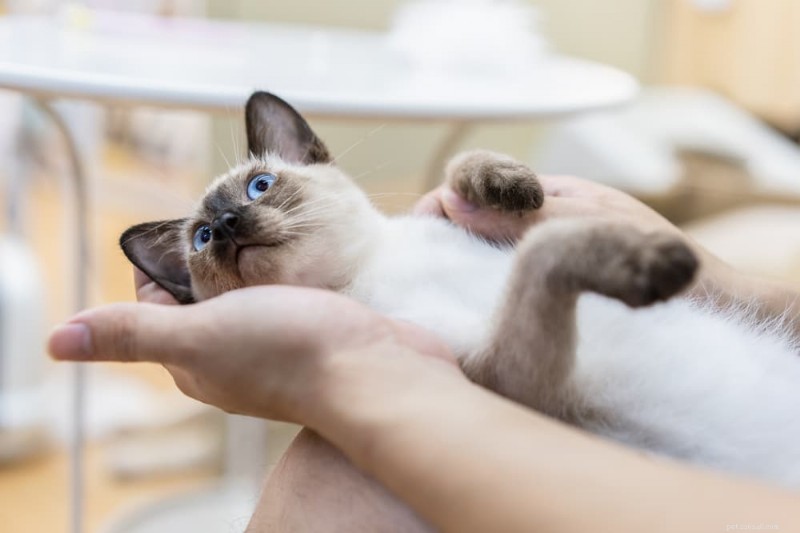
Distinguishing between a curious cat and one that is truly dependent involves observing behavior when you’re not in sight. A healthy bond allows the cat to maintain normal, secure behavior in your absence.
Look for changes in litter‑box habits, appetite, activity, vocalization, sleeping patterns, or grooming. Physical signs such as over‑grooming or unexplained weight loss can also indicate underlying issues.
Sudden clinginess may signal an emerging health problem. Gibbons warns that associated symptoms—altered appetite, vomiting, diarrhea, labored breathing, or excessive thirst—should prompt immediate veterinary attention.
How to Deal With A Clingy Cat
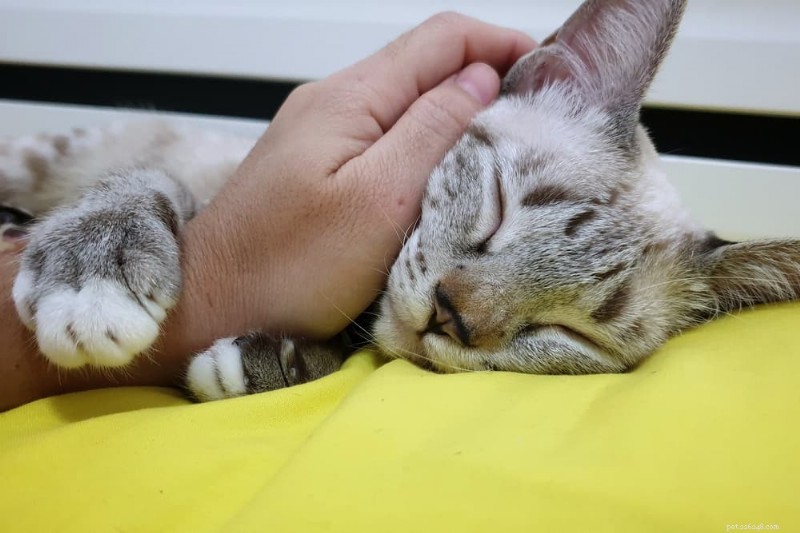
Over‑dependence can lead to depression, separation anxiety, and health problems. Understanding the root cause and addressing it proactively is essential for both your cat’s well‑being and your household harmony.
First Things First: Talk with Your Veterinarian
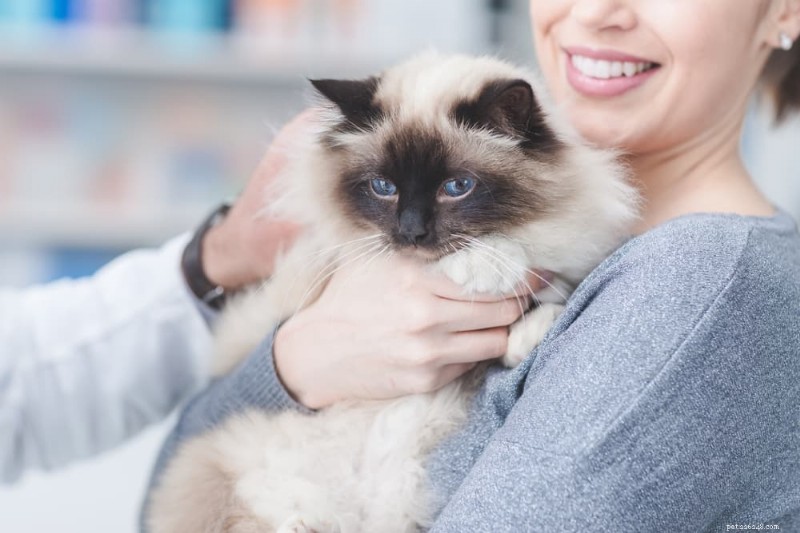
Addressing any medical issue is the priority. If a health problem is ruled out, your vet may refer you to a veterinary behaviorist or a certified cat behavior consultant for tailored behavioral interventions.
Why is My Cat Being Clingy? Study Your Own Behavior
Sometimes, the very attention you provide can reinforce clinginess. Rewarding a cat for demanding proximity can unintentionally teach it that being clingy yields more affection.
Look for Changes Within Your Home
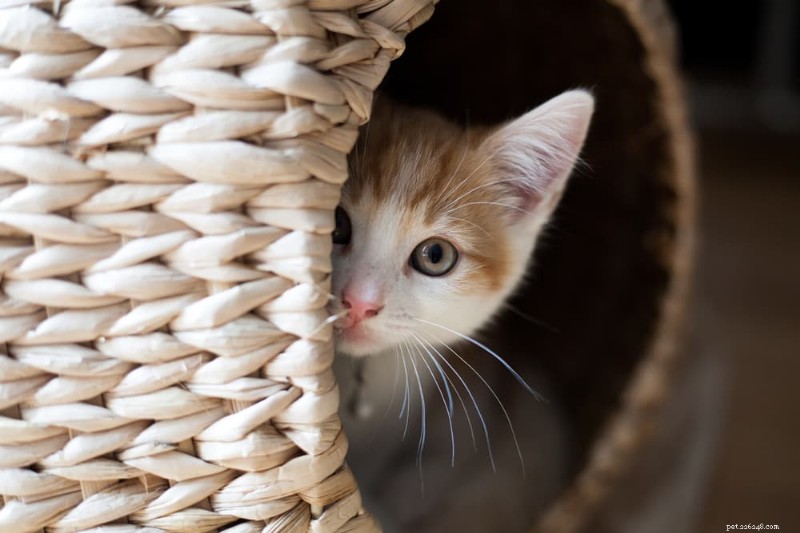
Assess the cat’s environment: relationships with other pets, time spent alone, opportunities for enrichment, and any recent changes that might provoke insecurity. For newly added cats, ensure each has its own litter box, food dish, and safe hiding spots.
Work on Building Confidence in Your Cat
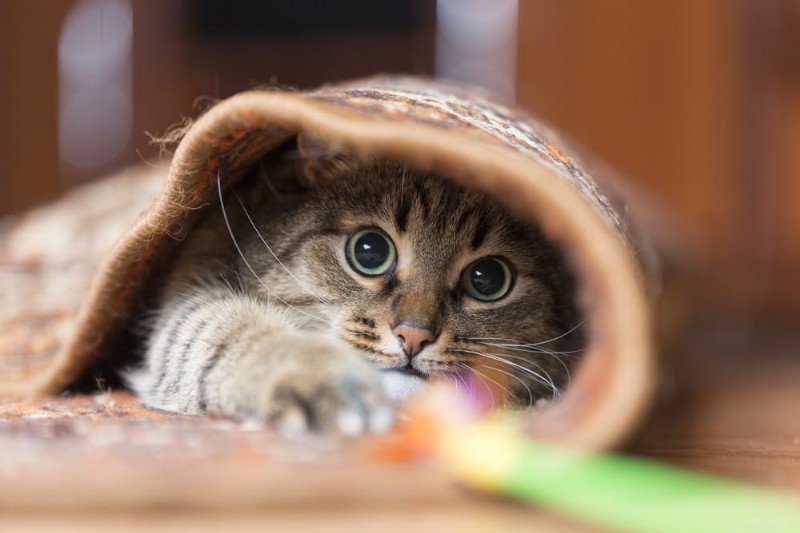
The goal is a balanced sense of security that derives from both human companionship and a comfortable home setting. Daily interactive play—allowing the cat to “hunt” a toy while you observe—fosters confidence and satisfies natural instincts.
Incorporate toys that stimulate hunting and problem‑solving. Over time, a confident cat will seek attention on its own terms.
Finally, Ease Your Cat through Life Changes
Cats dislike change, so gradual introductions to new pets, people, or routine adjustments are crucial. Patience and consistent reinforcement help a clingy cat feel secure enough to develop independence.
With time, the right strategies, and professional guidance when needed, you can transform a clingy cat into a confident, balanced companion.
- Pet Behavior
- Pet Breeds
- Pet Names
- Pet Adoption
- Pet Training
- Cat Stories
- Pet Health
- Adorable Pets
- Cats
- Why Cats Attack Christmas Trees: Causes and Prevention
- Chinchilla Sleep Patterns: When They Rest and How Much Rest They Require
- 13 Hilarious Amazon Pet Product Reviews That Will Keep You Entertained & Inspired
- Meet Django: Your Cat-Tested Quality Assurance Expert
- Why Dogs Cover Objects: The Science Behind Their Curious Behavior
- Keeping Your Dog Calm on Road Trips: Managing Car Sickness
- The Ultimate French Bulldog Guide: Traits, History, and Care