

How Long Do Cats Stay Angry? Insights into Feline Grudges and Memory
When we care for our feline companions, we often wonder how long they hold onto anger. Understanding cat emotions—and how to mend a rift—can strengthen the bond between you and your pet.
Below, we explore cat memory, the myth of grudges, and practical steps to help your cat move past anger.

Table of Contents
- Do cats hold grudges? What research tells us.
- Why cats aren’t inherently spiteful.
- Age and memory: how experience shapes a cat’s emotions.
Do Cats Hold Grudges? What Research Tells Us
Cats are famously selective in their forgiveness. Unlike dogs, whose short‑term memory is often cited as lasting only a few minutes, studies indicate that a cat’s short‑term memory can persist up to 16 hours. This means they can recall a specific event or person for a day or more.
However, a single mild insult is typically forgotten within a day. In contrast, events that trigger strong fear or pain—such as a painful medical procedure or a frightening car ride—can leave a lasting imprint. Repeated exposure to such triggers creates a conditioned association, much like a human learning to associate a particular sound with danger.
For example, a cat that is only taken to the vet during car rides may develop a fear loop, linking the car itself to the vet visit. In this case, the cat’s anger or avoidance is rooted in a learned association, not in spite or revenge.
Each cat is an individual; what terrifies one may not bother another. Recognizing these nuances is key to helping your pet recover.

Why Cats Aren’t Naturally Spiteful
Unlike humans, cats do not operate on a moral code. They cannot appreciate concepts such as cleanliness or ownership in the way we do. Their reactions are instinctual responses to immediate stimuli.
When a cat knocks over a cup or knocks a vase, it is often testing boundaries or exploring gravity, not retaliating for an earlier slight. This behavior underscores the importance of interpreting cat actions through an instinctual lens rather than attributing human emotions.
Because cats can mask pain or distress, an angry or agitated demeanor may signal an underlying medical issue. Prompt observation of behavioral changes can lead to early detection of health problems, a responsibility that every cat owner should embrace.
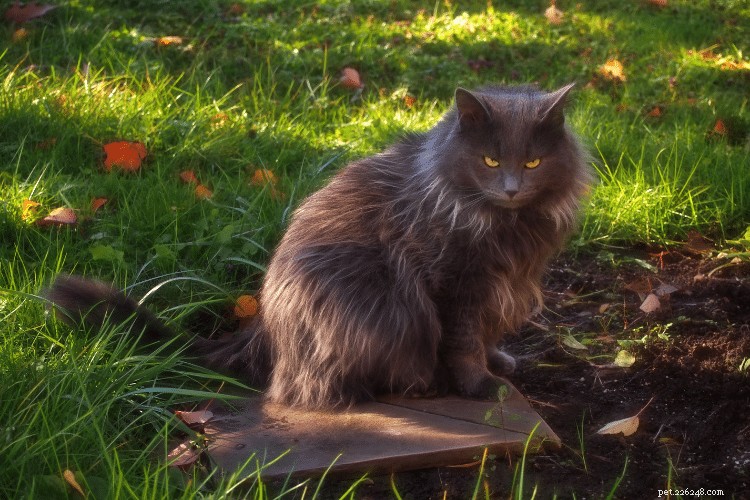
Memory and Age: How Experience Shapes a Cat’s Mood
Kittens are quick to forgive, but as cats mature, their memory sharpens and their past experiences influence their reactions. Older cats can develop dementia, but many also become wiser, learning which people, objects, and situations are safe.
By paying attention to a cat’s body language—tail position, ear orientation, and facial expressions—you can gauge their emotional state. A raised tail and forward ears generally signal curiosity or contentment, while a tucked tail and flattened ears often indicate fear or anger.
When you sense that your cat is upset, the best approach is to give them space. Avoid sudden movements and allow the cat to regain control. If the source of anger involves you—perhaps a misstep or accidental scolding—approach with a calm voice and gentle gestures to convey understanding and forgiveness.
Want to learn more about your cat’s memory? Read all about it here on CattitudeDaily.com.
Was this article helpful?
Yes No
- Pet Behavior
- Pet Breeds
- Pet Names
- Pet Adoption
- Pet Training
- Cat Stories
- Pet Health
- Adorable Pets
- Cats
- Is Ranch Dressing Safe for Dogs? Expert Tips for Feeding Your Pet
- Find the Ideal Dog Walker in Milwaukee: Tips & Trusted Providers
- Understanding How Dogs Contract Parvo: Symptoms, Prevention, and Early Treatment
- Water Requirements for Red‑Eared Turtles: What You Must Know
- Honey Bear: The Ragdoll Cat of the Week – A Loyal, Dog-Like Companion
- Create Safe, Engaging DIY Cat Toys to Boost Playtime and Bonding
- Diamond CARE: Advanced Weight Management Solution for Adult Cats