

Do Female Cats Spray? Understanding Cat Spraying and How to Stop It
By: Janelle Martel
Last Updated: July 2, 2025
Cat spraying is a normal behavior in intact cats but can be frustrating for owners, especially when it damages household items. It’s also a leading reason cats are surrendered to shelters. This article explains what cat spraying is, why it occurs—including medical causes—and offers practical tips to stop it.
What Is Cat Spraying?
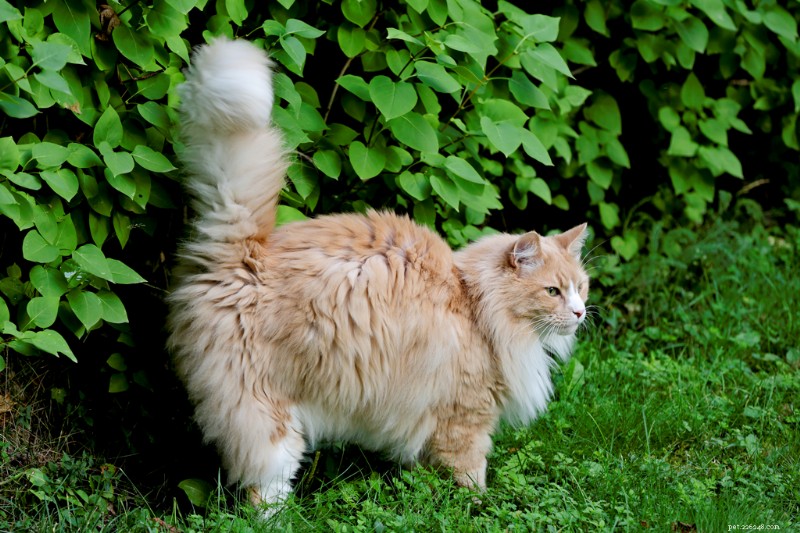
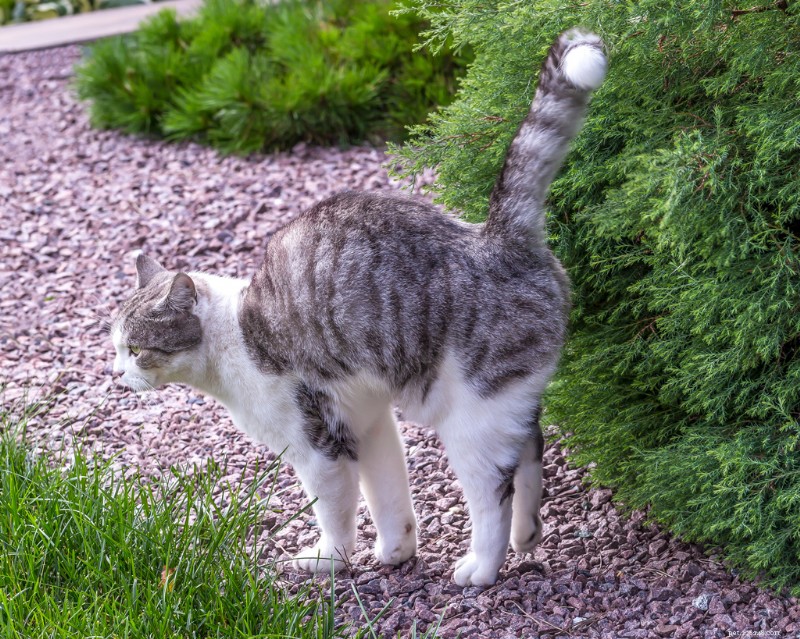
Spraying is a marking behavior most commonly seen in intact males. The cat backs up to a vertical surface, raises its tail, and releases a small, concentrated stream of urine without squatting. The goal is scent‑marking, not emptying the bladder.
Dr. Vanessa Spano, a board‑certified veterinary behaviorist, warns that medical problems can mimic or trigger spraying. Always rule out health issues first.
Medical Conditions That Can Lead to Spraying
- Urinary tract infection (UTI)
- Bladder inflammation (cystitis)
- Urinary stones
- Neurological disease
- Kidney disease
Why Do Cats Spray?
Cats use scent to communicate territory and reproductive status. Stressful changes—new people, loud noises, the presence of outdoor cats, or alterations in routine—can also provoke spraying.
Do Female Cats Spray?
Unspayed females may spray, especially when in heat, to attract a mate. The behavior is less common than in males but still occurs.
Spayed Females and Spraying
About 5 % of spayed female cats spray.
Neutered Males and Spraying
Up to 10 % of neutered males continue to spray.
When Do Male Cats Start Spraying?
Most males begin around 6–9 months, when they reach sexual maturity. Neutering often reduces the behavior, but some cats keep spraying afterward.
How to Stop Cat Spraying
- Identify and Eliminate Triggers. After a veterinary check, look for environmental stressors—new household members, visible outdoor cats, or changes in routine. Block windows that allow your cat to see other cats.
- Reduce Stress. Provide safe hiding spots, vertical perches, scratching posts, and regular play sessions. Use interactive toys or even cat‑friendly videos to help them relax.
- Reward Alternative Behaviors. Praise or treat your cat when it uses the litter box, walks away from a marking spot, or engages with appropriate toys.
- Maintain Clean Litter Boxes. Use a box at least 1.5 × the cat’s body length, clean it weekly with warm water and mild soap, and avoid strong chemicals that can deter use.
- Consult a Certified Cat Behaviorist. A professional can assess your cat’s history, health, and environment and create a science‑based plan.
What Does Cat Spray Smell Like?
The spray contains a high concentration of pheromones, fatty acids, ammonia, and mercaptans, giving it a strong, musky, ammonia‑like odor that lingers as bacteria break down the urine.
Removing the Smell
Enzymatic cleaners (e.g., Anti‑Icky Poo, Urine Off) are essential. Apply generously, let sit for at least five minutes, then blot. Clean the area twice daily for a month to eliminate residual pheromones.
Deterrents
Feliway or other feline calming pheromones can reduce future marking. Changing the function of the spot—making it a feeding or sleeping area—also discourages spraying.
If You Catch Your Cat Spraying
Never punish the cat. Punishment stops the behavior temporarily but doesn’t teach an alternative. Instead, redirect the cat to appropriate outlets and address the underlying cause.
Interested in more cat behavior tips? Explore our other articles.
- Pet Behavior
- Pet Breeds
- Pet Names
- Pet Adoption
- Pet Training
- Cat Stories
- Pet Health
- Adorable Pets
- Cats
- Tip 86: Choosing the Right Leash for Puppy and Dog Training
- 5 Inspiring Special‑Needs Cats: Stories of Strength and Joy
- Should You Bathe Your Cat? Expert Tips for Indoor and Long‑Haired Cats
- Teach Your Puppy Bite Inhibition: Expert Steps for Gentle, Safe Biting
- What Dark Orange Dog Stool Reveals About Your Pet's Health
- Expert Guide: 5 Essential Steps to Grooming Your Shichon
- How to Safely Transport Your New Rescue Dog: 5 Essential Car Prep Tips