

What Your Cat Is Trying to Say: 20 Commonly Misunderstood Behaviors


Study Shows Humans Misread Cat Signals
By: Sheri Radford
Last Updated: August 27, 2025
Ever been petting a cat when, in an instant, it turns and bites your hand? Those sudden bites are more common than you think. Even after thousands of years of co‑habitation, many owners still miss the subtle signs that a cat is uncomfortable.
A French study published in Applied Animal Behaviour Science (January 2024) examined how well people read cats’ vocalisations and body language. Participants identified contented cats with 90 % accuracy, but they only reached 72 % when judging a cat’s discontent. The gap shows we’re far better at spotting happiness than distress.
Cats Are Notoriously Misunderstood
"You have to put on ‘cat goggles’ instead of ‘people goggles’ and see the world through their eyes," explains cat‑behaviour consultant LeeAnna Buis of Feline Behavior Solutions. "Cats act for a reason—usually to meet an instinctual need or react to something in their environment."
20 Frequently Misread Cat Behaviours
- House Soiling – When a cat urinates or defecates outside the litter box it isn’t being spiteful. It may be signaling pain (ear infection, arthritis, injury), stress (new baby, travel), or a problem with the litter box (dirty, poorly located, noisy). The cat is essentially saying, “Something’s wrong, help me.”

Photo: Creative Cat Studio/Bigstock
- Aggression Toward a New Pet – What looks like bullying is often territorial guarding or fear. Subtle cues precede overt aggression: ears flatten, skin twitch, tail tightens. Providing extra resources (food bowls, litter boxes) and scent‑sharing can ease the tension.

Photo: castenoid/Bigstock
- Knocking Over Items – Cats bat objects to explore texture and motion. Often the resulting human attention reinforces the behaviour, so the cat learns that toppling items earns interaction.
- Licking the Lips – Besides anticipating food, lip‑licking can stem from sore gums or heightened stress.
- Exposing the Belly – A cat lying on its back may be showing trust or adopting a defensive posture, not necessarily inviting a belly rub. Touching the belly can provoke a swift bite.

Photo: aksenovko/Bigstock
- Bunting (Head‑butting) – This is a strong sign of affection and scent‑marking, not just a request for food.
- Facing Away – Sitting with its back to you signals comfort and safety, not dislike.
- Purring – Mostly a sign of contentment, but cats also purr when injured, stressed, or seeking attention.

Photo: Yuliya Lapkovskaya/Bigstock
- Holding the Tail High – An upright tail is a friendly greeting and indicates confidence.
- Meowing – Adult cats reserve meows for humans. It’s a direct way of communicating needs to you.
- Tail Wagging – Unlike dogs, a rapidly flicking cat tail usually signals agitation or fear; approach with caution.
- Hissing or Growling – A warning sign that the cat feels threatened; it’s not personal aggression.
- Lethargy – Low energy can be a sign of illness, especially if paired with loss of appetite. A veterinary check is advised.
- Slow Blinking – Often called “cat kisses,” this gesture shows trust and affection.

Photo: PHOTOCREO Micha Bednarek/Bigstock
- Sharing Dead Prey – The cat is offering a “gift” to you, a sign of affection rooted in wild hunting behaviour.

Photo: Kristina Blokhin/Bigstock
- Flicking the Tail – May indicate intense focus rather than irritation.
- Scratching Furniture – Primarily a natural need for claw maintenance, territory marking, and stretching; stress can amplify it.
- Kneading – Comfort‑seeking and scent‑marking combined; the cat is marking you as part of its safe space.
- Chattering at Birds – A mix of excitement, frustration, and possibly mimicry of prey sounds.
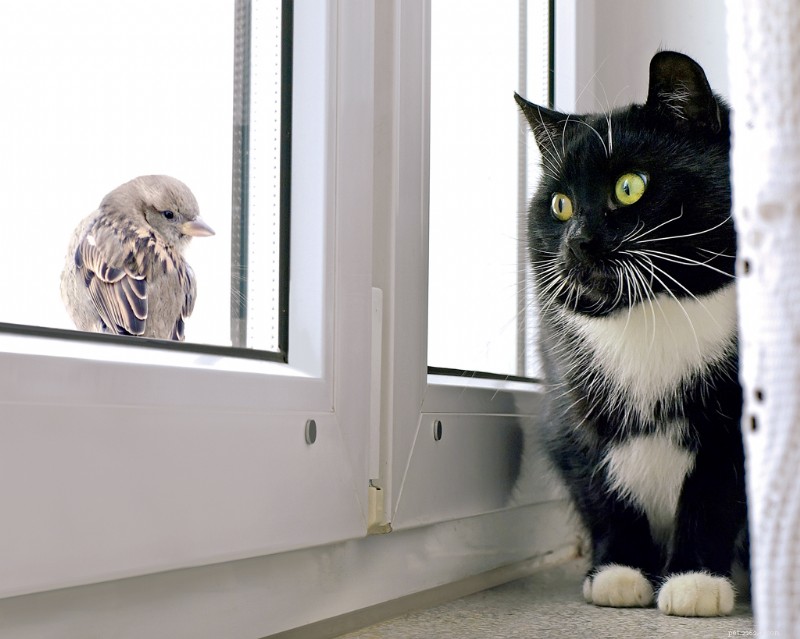
Photo: Andrzej Puchta/Bigstock
- Hiding – While cats enjoy solitude, excessive hiding can signal stress, fear, or illness.
How to Better Understand Your Cat
“Cats domesticated us, so their brains still run on wild programming,” says behaviour consultant Molly Kelsey. “Pay close attention to vocalisations, tail movements, and ear position. Education—using reputable guides on feline body language—makes a huge difference.”
Veterinarian Kathryn Dench recommends daily play to strengthen the bond and give owners a chance to observe subtle changes in behaviour.
Michael Thompson warns against anthropomorphising cats. “Because they are solitary hunters, their communication is subtler than a dog’s. Spend quality time watching them in different scenarios and consult a certified behaviourist when needed.”
LeeAnna Buis shares that even lifelong cat owners can miss crucial cues. “The issues are often ours, not the cat’s,” she reflects after a consultation that changed her perspective.
This article originally appeared in the award‑winning Modern Cat magazine. Subscribe today!
Last Updated: August 27, 2025
- Pet Behavior
- Pet Breeds
- Pet Names
- Pet Adoption
- Pet Training
- Cat Stories
- Pet Health
- Adorable Pets
- Cats
- Recognizing Dehydration in Dogs: Key Symptoms & Immediate Actions
- Why Dogs Dislike Rain: Understanding Their Behavior
- Master Dog Recall: Proven Techniques to Teach Your Dog to Come When Called
- Effective Ways to Stop a Puppy from Biting: A Parent’s Guide
- American Staffordshire Terriers: Common Health Conditions and How to Protect Them
- Understanding and Preventing Dysecdysis in Reptiles
- Feline Leukemia Vaccine: Key Facts for Cat Owners