

Scent Enrichment for Cats: 3 Fun Ways to Engage Their Powerful Nose
Cats experience the world through scent far more intensely than we do— they have many more odor receptors and rely on smell for navigation, hunting, and social communication. By tapping into this remarkable sense, we can provide enriching experiences that keep our felines curious and content.
Why Scent Enrichment Matters
Using scent to stimulate your cat’s natural instincts can reduce boredom, encourage healthy exploration, and even offer health benefits such as mosquito protection. Below are three practical, scent‑based activities you can start today.
#1. Plant‑Based Aromas: Safe Herbs Cats Love
 Photo South12th/Bigstock
Most owners know catnip, but several other cat‑safe plants can trigger the same euphoric response. Popular alternatives include silver vine, Tatarian honeysuckle, valerian root, as well as green olives (pits removed), palo santo, and cat thyme.
These plants contain distinct chemicals—nepetalactone (catnip), nepetalactol (silver vine), and actinidine (silvervine & valerian)—that stimulate the pleasure centers in a cat’s brain. About 60 % of cats show a genetic “catnip response,” usually appearing around six months of age.
Benefits Beyond Pleasure
A 2021 study from Iwate University showed that silver vine’s compound nepetalactol repels mosquitoes, reducing the risk of parasite‑transmitting bites for cats that rub on the plant. The same research found no signs of addiction or adverse effects from regular use, making it a safe, enjoyable option.
Quick Tips for Olfactory Enrichment
- Know your cat’s preferences. Some felines love all cat‑safe herbs; others are picky. If catnip doesn’t work, try silver vine— a 2017 BMC Veterinary Research study reported a higher response rate for silver vine.
- Offer the scent voluntarily. Place the plant or dried herb on a towel, floor, or in a toy and let your cat investigate at its own pace.
- Experiment with form. Fresh leaves, dried twigs, or powdered herbs may appeal differently; observe which your cat prefers.
- Watch behavior. Rubbing, rolling, and gentle vocalizations indicate enjoyment. If your cat becomes overstimulated, give it space and, if needed, separate cats to avoid conflicts.
- Rotate and store. Keep scent toys out of sight when not in use; cats lose interest if the scent is constantly available.
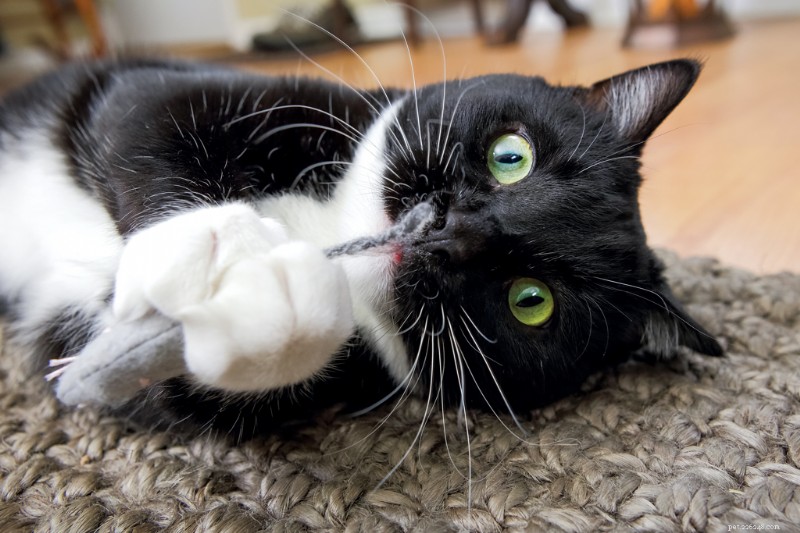 Photo soupstock/Bigstock
#2. Nosework Games: Turn Hunting Instincts into Fun Puzzles
If your cat loves food, nosework is a perfect activity. Nosework involves hiding treats or scent cues and letting your cat locate them using only its nose.
Trainer Hanna Fushihara, founder of Nosework Cats, explains that any cat—indoor, outdoor, shelter, or with disabilities—can enjoy these games. She recommends starting simple:
- Choose a small room and hide a few treats (dry kibble, freeze‑dried morsels, or a dab of yogurt on a lid) in various spots.
- Keep your cat out of sight while you hide the treats.
- Release the cat and watch it use its nose to locate the rewards.
Gradually increase difficulty by adding more hiding spots, using containers with small openings, or incorporating multiple scents. The goal is to celebrate the search, not just the find— the journey is the enrichment.
For more ideas, follow @noseworkcats on Instagram/YouTube or visit noseworkcats.com.
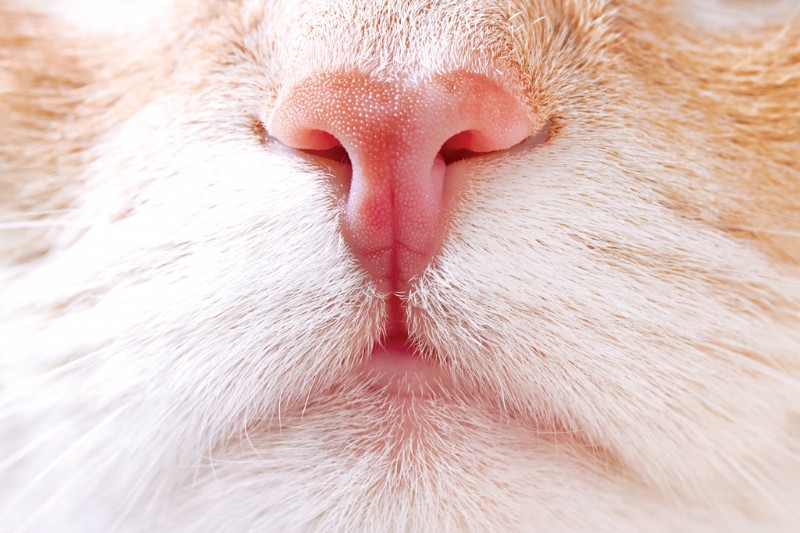 Photo Samsonovs/Bigstock
#3. Encourage Natural Scent‑Marking
Cats have scent glands on their cheeks, chin, forehead, and paws. Rubbing, scratching, and rolling deposit personal fragrance, helping them claim territory and feel secure.
How to Support This Behavior
- Avoid strong artificial fragrances, essential oils, or incense that can overwhelm a cat’s sensitive nose and mask its own scent marks.
- Provide diverse scratching options—vertical posts and horizontal boards made of sisal or corrugated cardboard placed near feeding, resting, or greeting spots.
- Offer dedicated rubbing stations such as corner combers or commercial products like the Catit Senses 2.0 Wellness Centre (≈ $40, catit.ca) for rolling and scent‑depositing.
By respecting and facilitating these natural behaviors, you deepen your cat’s sense of belonging and promote a harmonious home environment.
Loving our cats means honoring their extraordinary sense of smell. Simple scent‑based enrichment can boost happiness, mental health, and even physical safety—all while giving us a glimpse into the feline world.
- Pet Behavior
- Pet Breeds
- Pet Names
- Pet Adoption
- Pet Training
- Cat Stories
- Pet Health
- Adorable Pets
- Cats
- Eliminate Static Shock When Petting Your Cat: Simple Tips
- Create a Stress‑Free Home for Your Cat: Meet Their Environmental Needs to Prevent Urinary Problems
- Why Cats Sleep So Much: Understanding Their Restful Behavior
- 6 Proven Reasons Why Cats Avoid Water
- 100 Creative Names for Female Rabbits: Cute, Funny, & Clever Picks
- How Snakes Reproduce: Oviparity, Viviparity, and the Astonishing Ovoviviparity Explained
- How to Spot When Your German Shepherd‑Husky Mix Feels Lonely