

Siamese Cat's White Face: Causes, Symptoms, and How to Help Your Feline
TRYING TO ANSWER THE QUESTION, WHY IS MY SIAMESE CAT’S FACE TURNING WHITE?
Ever wondered, ‘Why is my Siamese cat’s face turning white?’ Don’t worry, I’ve got the scoop on this funky feline phenomenon! 😸 It’s like having a mysterious style upgrade straight from Mother Nature herself. 🌈
So, what’s the deal with our furry friends suddenly rocking the snowy look?
Well, it’s all about a fascinating condition called vitiligo! Just like some humans, our precious kitties can develop this quirky trait, where their skin loses its color mojo. 🎨 Imagine your cat’s face sporting patches of white or light pink, making them look like they’re ready to strut the catwalk with their trendy two-tone fur coats! 🐾
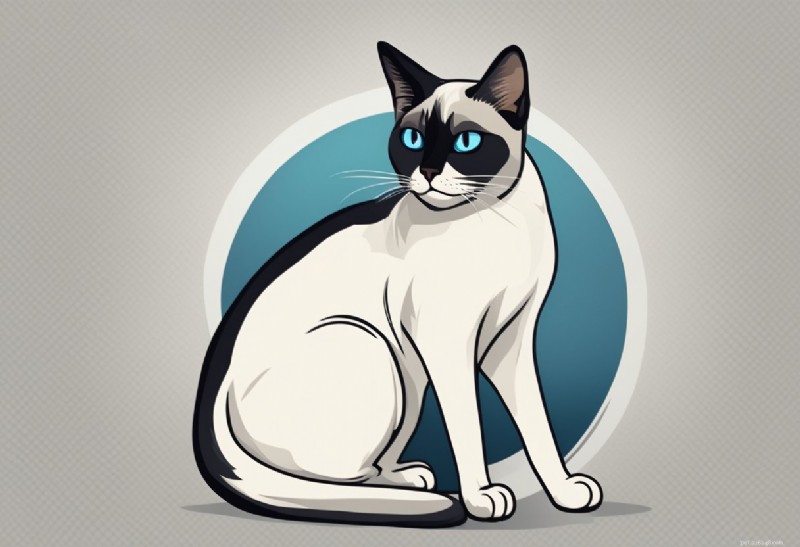
📝 Siamese cats have a unique genetic makeup that can cause their fur to change color as they age. This is known as “temperature-sensitive pigment” and it causes the fur on their face, ears, tail, and paws to darken when exposed to cooler temperatures. As they age, their body temperature tends to decrease, causing the fur on their face to lighten and turn white. This is a gradual process that can take several years to become noticeable.
So, basically, the answer to the question, “why is my Siamese cat’s face turning white?“, is it’s because it’s natural.🤔
⚠️More often than not, this fur color change is important. Nevertheless, it’s important to monitor your cat’s overall health and well-being. If you notice any other unusual symptoms or changes in behavior, it is best to consult with a veterinarian to rule out any underlying health issues.
Understanding Siamese Cat Pigmentation
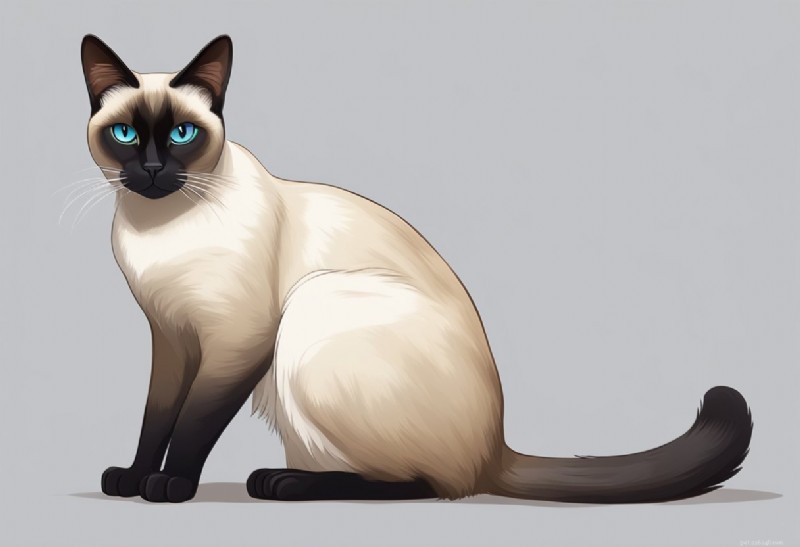
Siamese cats are known for their striking appearance, with their dark points contrasting against their lighter bodies. However, as your Siamese cat ages, you may notice that their face is turning white. This can be a cause for concern, but it is actually a natural part of the aging process for Siamese cats.
Genetics of Coat Color
To the answer question, “why is my Siamese cat’s face turning white?”, it’s important to understand the genetics of their coat color. Siamese cats have a gene that causes them to have a temperature-sensitive pigment. This means that the pigment is only expressed in cooler areas of the body, such as the ears, face, tail, and paws.
As Siamese cats age, the cooler areas of their body become warmer, causing the pigment to fade. This is why you may notice that your Siamese cat’s face is turning white as they age.
Point Coloration in Siamese Cats
Siamese cats are known for their point coloration, which refers to the darker color on their ears, face, tail, and paws. This is caused by a mutation in the gene that controls the production of pigment.
There are four recognized point colors in Siamese cats: seal point, chocolate point, blue point, and lilac point. Each of these colors is caused by a different combination of genes.
In conclusion, the white face of your aging Siamese cat is a natural part of their genetic makeup. Understanding the genetics of coat color and point coloration in Siamese cats can help you appreciate their unique appearance and better care for them as they age.
Common Reasons for Color Changes
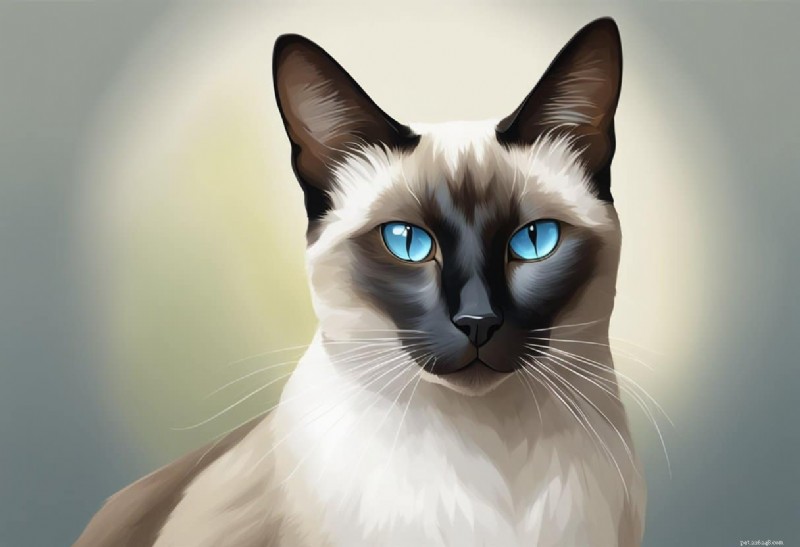
If you’ve noticed that your Siamese cat’s face is turning white, there are several reasons why this might be happening.
Here are some common causes of color changes in Siamese cats:
Age-Related Changes
As your Siamese cat ages, it’s not uncommon for their fur to start turning white. This is because the melanin production in their skin decreases over time, which can cause their fur to lose its color. This is a natural process and nothing to be concerned about.
Temperature Effects
Extreme temperatures can also cause color changes in your Siamese cat’s face. For example, if your cat spends a lot of time in the sun, their fur may start to fade or turn white. Similarly, if your cat is exposed to very cold temperatures, their fur may become lighter in color.
Health-Related Issues
In some cases, color changes in your Siamese cat’s face could be a sign of an underlying health issue. For example, if your cat has a thyroid problem, it could cause their fur to turn white. Other health issues that can cause color changes in cats include allergies, infections, and skin conditions.
If you’re concerned about your Siamese cat’s color changes, it’s always best to consult with your veterinarian. They can help determine the underlying cause and recommend the best course of treatment.
Assessing Your Cat’s Condition
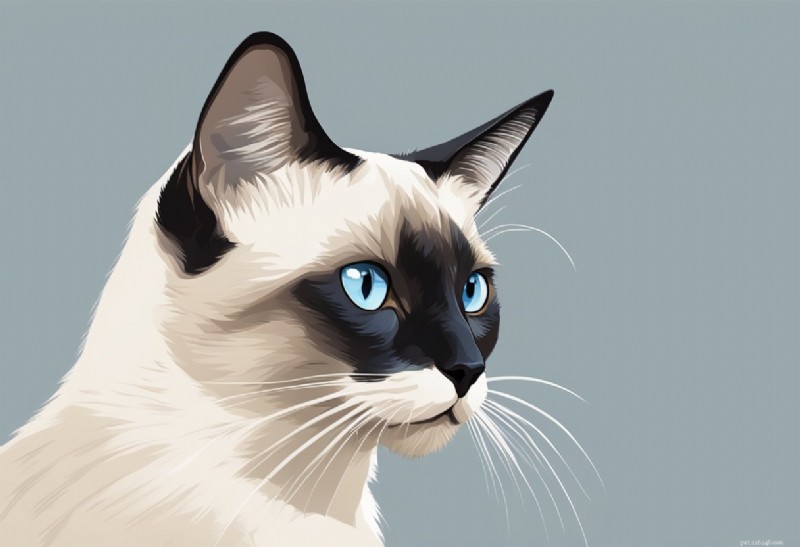
If you have noticed that your Siamese cat’s face is turning white, it’s important to assess their overall condition before taking any action. Here are some tips to help you evaluate your cat’s health:
When to Consult a Veterinarian
If you notice any of the following symptoms, it’s best to consult a veterinarian:
- Your cat’s white fur is accompanied by swelling or redness
- Your cat is experiencing hair loss or skin irritation
- Your cat is experiencing discomfort or pain
- Your cat’s behavior has changed significantly
Home Observation Tips
To assess your cat’s condition at home, you can:
- Observe your cat’s eating and drinking habits
- Check your cat’s eyes, ears, and nose for any discharge or inflammation
- Look for any lumps or bumps on your cat’s skin
- Monitor your cat’s activity levels and behavior
By carefully monitoring your cat’s condition and behavior, you can help ensure that they receive the care they need to stay healthy and happy.
Prevention and Care
Proper Nutrition
One of the best ways to keep your Siamese cat healthy and prevent their face from turning white is by providing them with a well-balanced diet. Make sure that their food contains all the necessary vitamins and minerals that they need to maintain healthy skin and fur. You can also consider adding supplements to their diet, such as omega-3 fatty acids or biotin, to help improve their coat’s health.
Maintaining Optimal Temperature
Siamese cats are sensitive to changes in temperature, so it’s essential to keep them in a comfortable environment. Make sure that their living space is not too hot or too cold, and provide them with a cozy bed where they can rest comfortably. You can also consider using a humidifier to keep the air moist, which can help prevent dry skin.
Regular Health Check-Ups
Regular visits to the veterinarian can help detect any health issues early on, which can prevent more severe problems from developing. During these check-ups, your vet can also examine your Siamese cat’s skin and fur to ensure that they are healthy. They can also provide advice on proper grooming techniques and recommend any necessary treatments or medications.
By following these simple steps, you can finally answer the question, “why is my Siamese cat’s face turning white?” and keep them healthy and happy. Remember to provide them with proper nutrition, maintain a comfortable temperature, and schedule regular health check-ups with your veterinarian.
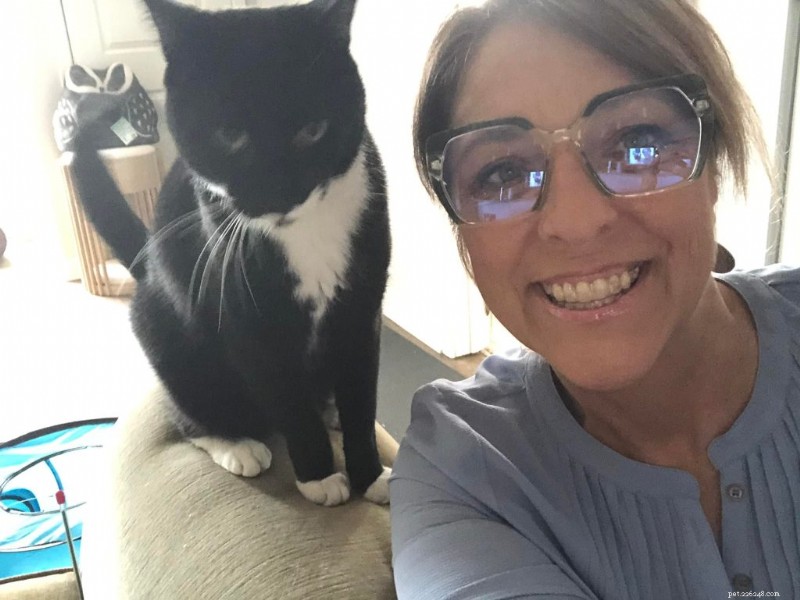
🐾 Lisa Illman is the Founder of Kritter Kommunity, LLC! 🏡 She’s got a dapper tuxedo cat who’s been her sidekick since he was a tiny furball. 🐱 Before Finnegan came along, Lisa cared for two FIV-positive cats for over ten years! 🌟 Their love inspired her to create a cat enclosure and a portable catio, giving kitties the purrfect spot to bask in the sun and feel the breeze. ☀️🌿
As a kid, Lisa shared her home with a Poodle and a chirpy parakeet! 🐩🐦

- Pet Behavior
- Pet Breeds
- Pet Names
- Pet Adoption
- Pet Training
- Cat Stories
- Pet Health
- Adorable Pets
- Cats
- Do Dogs and Cats Notice When I'm Undressed?
- Top 3 Benefits of Stick Vacuums & 3 Essential Uses for Cat Owners
- Do Dogs Experience Freedom? Understanding Their Perspective
- How to Find the Ideal Veterinarian for Your Pet: Trusted Tips & Guidance
- New Diamond CARE Urinary Support for Adult Cats: Effective Relief for FLUTD
- Premium High‑Protein Dog Food for Healthy Weight Loss
- Pomsky Dog Breed: Complete Guide to the Husky-Pomeranian Mix