

Oriental Siamese Cats: Expert Guide to Their Stunning Coat Patterns and Color Palette
🐈Are you a fan of the Oriental Siamese cat breed? These elegant felines are known for their striking almond-shaped eyes. The eyes are typically blue or green in color. Oriental Siamese coat patterns are one of the more noticeable characteristics of the breed. When I fell in love with the breed, I quickly became obsessed with finding out everything I could about them including all the stunning coat varieties. 🐈⬛🐾
In this visual guide, we will explore the colorful world of Oriental Siamese coat patterns. You will learn about the different types of points, body colors, and patterns that make each cat unique. Whether you are a breeder, owner, or simply a cat lover, this guide will provide you with a comprehensive understanding of the Oriental Siamese coat patterns. So, get ready to dive into the world of colors and patterns that make these cats so special.
The Origins of Siamese Cats
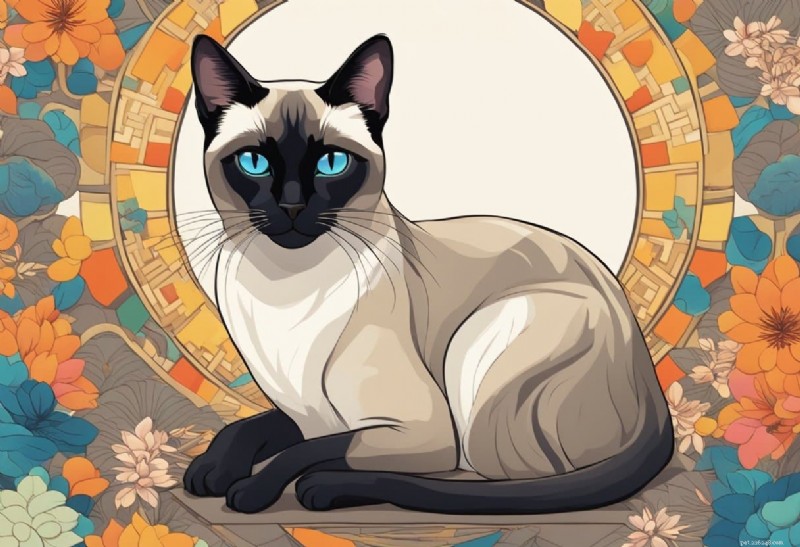
Siamese cats are one of the oldest and most recognized breeds of Oriental cats in the world. Their history dates back centuries, and they have a rich and fascinating past. In this section, we will explore the historical significance and genetic roots of Siamese cats. 🧬
Historical Significance
Siamese cats originated in Siam, which is now known as Thailand. They have been an integral part of Thai culture for centuries and were even considered sacred by some. Siamese cats were kept by royalty and were often given as gifts to foreign dignitaries. In fact, the King of Siam once gave a pair of Siamese cats to the British consul-general in Bangkok, which helped to popularize the breed in the Western world.
Genetic Roots
The exact origins of Siamese cats are shrouded in mystery and legend. However, it is believed that they are descended from the Wichienmaat, a type of cat that was native to Thailand. The Wichienmaat had a short, smooth coat and a distinctive kink in its tail. Over time, breeders in Siam developed the Siamese cat’s distinctive features, including its long, slender body, wedge-shaped head, and striking blue eyes. 😻
Siamese cats are also known for their unique coat patterns, which are caused by a genetic mutation. This mutation affects the production of melanin, a pigment that gives color to the skin, hair, and eyes. Siamese cats have a gene that produces a heat-sensitive enzyme that affects the distribution of melanin in their fur. As a result, their fur is lighter in areas that are cooler, such as the ears, tail, and feet, and darker in areas that are warmer, such as the body.
Understanding Coat Color Genetics
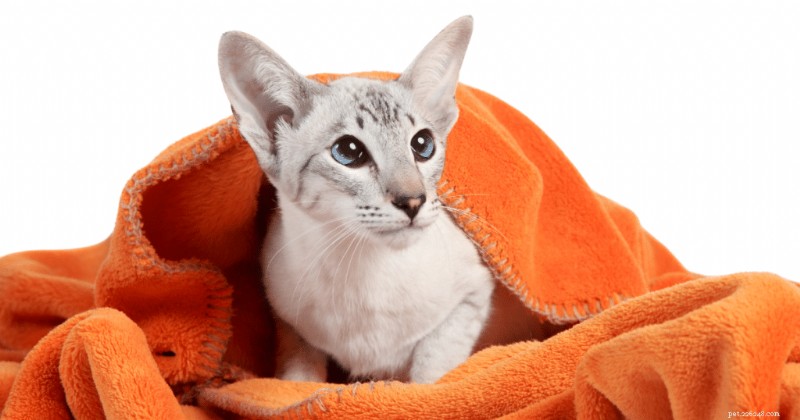
If you’re interested in the beautiful and unique Oriental Siamese coat patterns, it’s important to understand the genetics behind their colors. In this section, we’ll explore the basics of coat color genetics, including chromosomes and genes, and inheritance patterns.
Chromosomes and Genes
Chromosomes are the structures in cells that contain genetic material. Cats have 19 pairs of chromosomes, and each chromosome contains many genes. These genes determine a variety of physical and behavioral traits, including coat color. 🧬
The gene responsible for coat color in Siamese cats is called the “pointed” gene. This gene restricts the production of pigment to the cooler parts of the body, such as the ears, face, tail, and legs. The warmer parts of the body, such as the torso, have less pigment and appear lighter in color.
Inheritance Patterns
Coat color in Siamese cats follows a specific inheritance pattern known as “incomplete dominance.” This means that when two Siamese cats with different coat colors mate, their offspring will have a blend of the two colors. For example, if a seal point Siamese and a blue point Siamese mate, their kittens may have a mix of seal and blue points.
Siamese cats can also carry genes for other coat colors, such as black or white. These genes may not be expressed in the cat’s coat, but they can be passed on to their offspring.
Distinctive Features of Siamese Coats
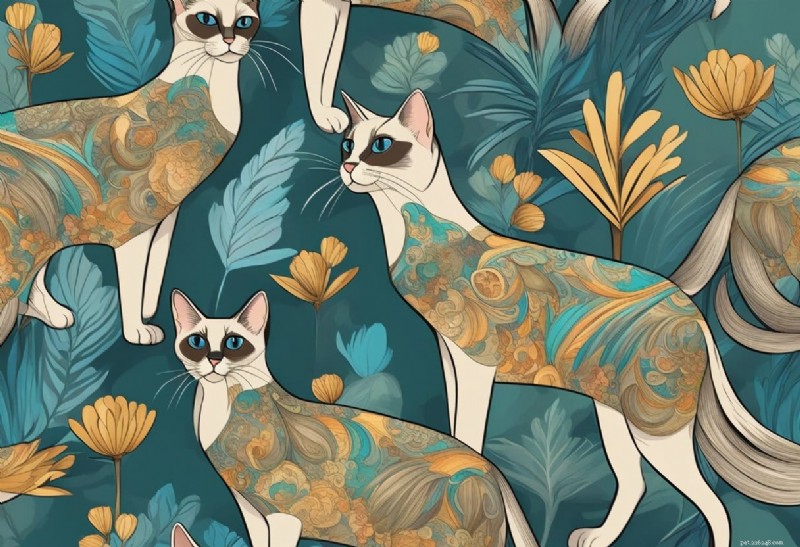
Siamese cats are known for their unique and distinctive coat patterns. They have a short, fine, and glossy coat that can come in a variety of colors and patterns. In this section, we will discuss the two main features of Siamese coats: point coloration and color variations.
Point Coloration
The most distinctive feature of Siamese cats is their point coloration. This refers to the darker color on their ears, face, legs, and tail. The rest of their body is typically a lighter color. This is due to a genetic mutation that affects the production of melanin, the pigment that gives color to the skin and hair. 😺
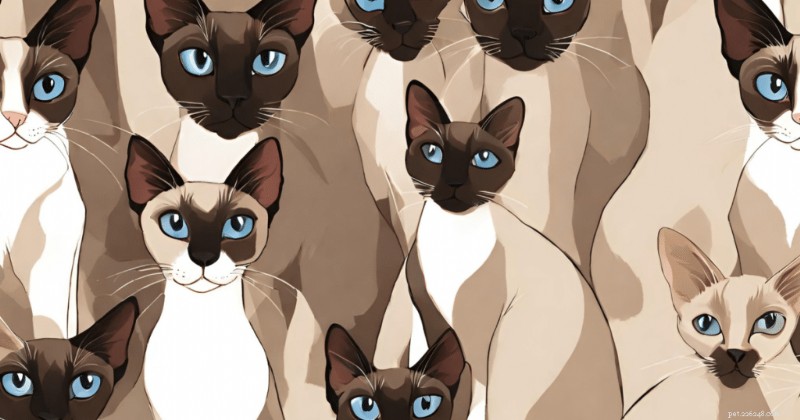
Siamese cats have four main point colorations: seal point, blue point, chocolate point, and lilac point. The seal point has a dark brown or black point coloration, while the blue point has a bluish-gray point. The chocolate point has a warm brown coat, and the lilac point has a pale gray point coloration.
Color Variations
In addition to point coloration, Siamese cats can also come in a variety of colors and patterns. The most common color variation is the tortoiseshell pattern, which features a mix of black, orange, and cream colors. Other color variations include solid colors, such as black, white, and red, as well as tabby and calico patterns.
Siamese cats also come in a variety of shades, from light to dark. Some Siamese cats have a lighter coat with subtle point coloration, while others have a darker coat with more pronounced point coloration.
Color Palette of Siamese Cats
Siamese cats are known for their striking and unique coat patterns. These cats have a pointed coat pattern, which means that their face, ears, legs, and tail are a darker color than the rest of their body. The Siamese cat breed comes in four main colors: Seal Point, Chocolate Point, Blue Point, and Lilac Point.
Seal Point
🦭 Seal Point is the most common color for Siamese cats. These cats have a dark brown or black coat on their face, ears, paws, and tail. The rest of their body is a light cream color. Seal Point Siamese cats have a sleek and elegant appearance, and their dark points create a beautiful contrast against their light body.
Chocolate Point
Chocolate Point Siamese cats have a milk chocolate brown coat on their face, ears, paws, and tail. The rest of their body is a light ivory color. These cats have a warm and inviting appearance, and their chocolate points are a unique and beautiful feature.
Blue Point
Blue Point Siamese cats have a light gray or blue coat on their face, ears, paws, and tail. The rest of their body is a light white or cream color. These cats have a cool and calm appearance, and their blue points create a striking contrast against their light body. 🩵
Lilac Point
Lilac Point Siamese cats have a pale pink or lavender coat on their face, ears, paws, and tail. The rest of their body is a light cream color. These cats have a soft and gentle appearance, and their lilac points are a unique and beautiful feature.
Factors Affecting Oriental Siamese Coat Patterns
When it comes to Oriental Siamese coat patterns, they are determined by a combination of genetic and environmental factors. In this section, we will explore some of the key factors that influence the appearance of their coat patterns.
Temperature Influence
🌡️ One of the most unique features of Oriental Siamese cats is their temperature-sensitive coat pattern. This means temperature of their environment influences the color of their fur. Specifically, cooler temperatures will cause the fur to darken, while warmer temperatures will cause it to lighten. This is due to a genetic mutation that affects the production of melanin, the pigment responsible for coloration.
As a result of this temperature sensitivity, the fur on their extremities, such as their ears, paws, and tail, will be darker than the rest of their body. This is known as “pointed” coloration, and it is one of the defining characteristics of Oriental Siamese cats.
Age-Related Changes
Another factor that can affect the appearance of a Siamese cat’s coat pattern is age. As they mature, their coat may change in color and pattern. For example, a kitten with a light-colored coat may develop darker fur as they grow older.
Additionally, some Siamese cats may experience a change in coat pattern as they age. For example, a cat with a solid coat color may develop points as they get older. While these changes are not always predictable, they are a natural part of the aging process for many Siamese cats.
Caring for a Siamese Coat
Siamese cats are known for their beautiful and distinctive coats, which require proper care to keep them healthy and shiny. Here are some tips on how to care for your Siamese cat’s coat.
Grooming Tips
Regular grooming is essential to keep your Siamese cat’s coat looking its best. Brushing your cat’s coat once a week will help remove any loose hair and prevent matting. You can use a soft-bristled brush or a rubber grooming mitt to groom your cat. Be gentle when brushing near the face and ears, as these areas are sensitive. 🪮
You should also trim your cat’s nails regularly to prevent them from getting too long and causing discomfort. If you’re not comfortable trimming your cat’s nails yourself, you can take them to a groomer or veterinarian.
Diet and Nutrition
A healthy diet is important for maintaining your Siamese cat’s coat. Make sure your cat is eating a balanced diet that includes high-quality protein, vitamins, and minerals. You can also add supplements such as fish oil or vitamin E to your cat’s diet to help keep their coat healthy and shiny.
It’s also important to make sure your cat is drinking enough water, as dehydration can cause dry skin and a dull coat. Provide your cat with fresh water at all times, and consider adding wet food to their diet to increase their water intake.
Health Considerations
Regular visits to the veterinarian are important for maintaining your Siamese cat’s overall health, including their coat. Your veterinarian can check for any underlying health issues that may be affecting your cat’s coat, such as allergies or skin conditions. 🩺👩⚕️
If you notice any changes in your cat’s coat, such as bald patches, excessive shedding, or skin irritation, it’s important to take them to the veterinarian for an evaluation. These symptoms could be a sign of an underlying health issue that requires treatment.
Siamese Cat Coat Variations
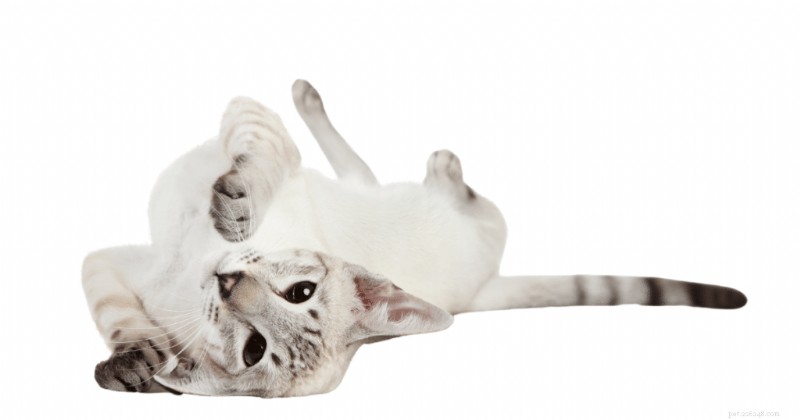
Siamese cats are known for their unique coat patterns and colors. Getting to know each one will help you decide which might be the perfect feline friend for you.
Oriental Siamese Coat Patterns
Siamese cats come in a variety of coat patterns. These include:
- Seal Point: This is the most common Siamese cat pattern. It features a dark brown or black body with darker points on the face, ears, tail, and legs.
- Blue Point: This pattern features a bluish-gray body with darker blue points.
- Chocolate Point: This pattern features a lighter brown body with darker brown points. 🍫
- Lilac Point: This pattern features a light gray body with pinkish-gray points.
- Red Point: This pattern features a chestnut red body with pale pink points.
- Tortie Point: This pattern features a mix of two or more colors in a random pattern on the body, with darker points on the face, ears, tail, and legs.
Each Siamese cat has a unique coat pattern and coloration, making them a popular subject for photographers.
Capturing Coloration
To capture the beauty of Siamese cat coloration in photographs, it’s important to pay attention to lighting and composition. Here are some tips:
- Use natural light: Siamese cats look best in natural light. Try to take photos near a window or outside on a sunny day.
- Get down to their level: To capture the full effect of their coloration, get down to their level and take photos from their eye level.
- Focus on the eyes: Siamese cats have striking blue or green eyes that should be the focus of your photos.
- Use a simple background: A simple background will help to highlight the cat’s coloration and pattern.
Frequently Asked Questions
How can you predict the color of a kitten using genetics?
The color of a kitten can be predicted using genetics. The genes that determine coat color are passed down from the parents to the offspring. Breeders can use genetic testing to determine the likelihood of a kitten having a certain coat color. However, genetics is not always a surefire way to predict the color of a kitten, as there can be variations within the same litter.
What different coat patterns do tabby cats have?🐈
Tabby cats exhibit distinctive coat patterns, which encompass stripes, spots, and swirls. The classic tabby pattern features bold, swirling designs on the cat’s sides, along with a notable “M” marking on the forehead. Other tabby patterns include the mackerel tabby, which features narrow, vertical stripes, and the spotted tabby, which features spots instead of stripes.
Can you provide a cat color and pattern chart for breeding purposes?
There are many cat color and pattern charts available for breeders to use for breeding purposes. These charts can help breeders determine which colors and patterns are most desirable for their particular breed. Some popular cat color and pattern charts include the CFA (Cat Fanciers’ Association) color chart, the TICA (The International Cat Association) color chart, and the ACFA (American Cat Fanciers’ Association) color chart.
What distinguishes the coat pattern of a Siamese cat from other breeds?
Siamese cats are known for their distinctive coat pattern, which is characterized by a light-colored body and dark “points” on the face, ears, paws, and tail. This pattern is caused by a gene mutation that affects the production of melanin, the pigment that gives color to the skin and hair. The Siamese coat pattern is unique in that it is temperature-sensitive, meaning that the cooler parts of the body will have darker points than the warmer parts. 🔆
What’s the difference between Siamese and Oriental cats in terms of appearance?
Siamese and Oriental cats are similar in many ways, but there are some key differences in their appearance. Siamese cats are known for their distinctive coat pattern, which is characterized by a light-colored body and dark “points” on the face, ears, paws, and tail. Oriental cats, on the other hand, come in a wide variety of coat colors and patterns, including solid colors, tabby patterns, and bi-colors. Oriental cats also have a more slender, elongated body shape than Siamese cats.
Which cat color is considered the most uncommon in Oriental Shorthairs?
Oriental Shorthairs come in a wide variety of colors and patterns. However, some colors are considered more uncommon than others. One of the most uncommon colors in Oriental Shorthairs is the colorpoint pattern, which is similar to the Siamese coat pattern. This pattern is characterized by a light-colored body and dark points on the face, ears, paws, and tail. Other uncommon colors in Oriental Shorthairs include chocolate, lavender, and cinnamon.
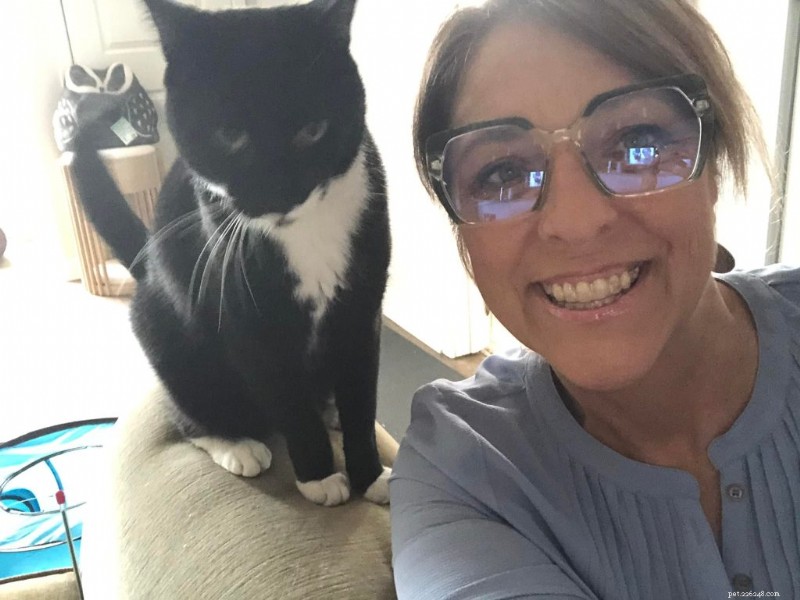
🐾 Lisa Illman is the Founder of Kritter Kommunity, LLC! 🏡 She’s got a dapper tuxedo cat who’s been her sidekick since he was a tiny furball. 🐱 Before Finnegan came along, Lisa cared for two FIV-positive cats for over ten years! 🌟 Their love inspired her to create a cat enclosure and a portable catio, giving kitties the purrfect spot to bask in the sun and feel the breeze. ☀️🌿
As a kid, Lisa shared her home with a Poodle and a chirpy parakeet! 🐩🐦
- Pet Behavior
- Pet Breeds
- Pet Names
- Pet Adoption
- Pet Training
- Cat Stories
- Pet Health
- Adorable Pets
- Cats
- Decoding Canine Eyes: A Professional Guide to Reading Your Dog’s Signals
- Top 25 Dogs Known for Exceptional Smell: A Guide
- How Well Do Dogs Remember Smells? Expert Insights
- 7 Key Facts About German Shepherd–Husky Mixes That Only Owners Understand
- Optimal Nutrition Guide for Chow Chows: Healthy Diet & Feeding Tips
- Why Do Cats Love the Cat Dancer Toy? Unveiling Their Obsession
- Is Broccoli Safe for Dogs? Complete Guide & Tips