

How Long Can You Safely Leave Your Cat Alone? Expert Advice for New and Experienced Owners
Understanding how long a cat can be left alone is essential when you need to step out of the house, whether for a few hours or several days. Many pet owners wonder: can I leave my cat alone? and when is it not safe? This guide offers evidence‑based answers and practical strategies.
Can You Leave Your Cat Alone?
For seasoned owners, the answer is often yes—cats are known for their independence. However, if you’re a new owner or have recently adopted a cat, the first few weeks demand close supervision. During this adjustment period, keep the cat indoors and avoid leaving any resident cats alone until they have fully bonded.

Key Risks of Leaving a Cat Home Alone
While brief absences are usually safe, prolonged isolation can lead to several issues. Below we outline the most common risks and how to mitigate them.
1. Separation Anxiety and Behavioral Changes
A 2020 survey of 1,200 pet owners found that 13% of cats displayed negative behaviors—such as destructive play, excessive vocalization, or inappropriate urination—when left alone. These behaviors can strain the human‑cat bond and may indicate underlying anxiety.

2. Damage to Furniture and Property
Without appropriate outlets, cats may scratch upholstery or chew on cords. Providing a sturdy scratching post and safe toys can divert their attention and preserve your belongings.

3. Food, Water, and Health Risks
- Wet food should not be left out for more than four hours; it can become a breeding ground for bacteria.
- Fresh water is essential—cats can develop infections if water sits stagnant for more than 48 hours.
- Secure cords, electrical outlets, and toxic plants to prevent injury or poisoning.

4. Development of Unwanted Behaviors
Inconsistent litter box use, excessive scratching, or aggression can arise when cats feel neglected. Regular monitoring and a predictable routine help maintain good habits.

How Long Is Safe to Leave a Cat Alone?
Veterinary guidance generally recommends:
- 1–2 days: up to 24–48 hours for an adult cat, provided food, water, and a clean litter box are available.
- 3 days or more: not advisable unless a trusted sitter is present.
- 5–7 days: only with a professional caregiver or a reliable friend, and regular supplies of food and water.
Longer absences increase the risk of dehydration, bacterial contamination, and behavioral issues.
Special Considerations for Kittens
Kittens require more attention. Here are safe time limits based on age:
- 1‑month: no longer than 4 hours; never leave unattended for a full day.
- 3‑months: no more than 4 hours; overnight care is recommended.
- 6‑months: up to 12 hours; consider a playmate if alone.
- 9‑months: gradually increase to 12–24 hours as they mature.

Practical Tips to Keep Your Cat Safe While Alone
- Fill food and water bowls with enough for two days and place them in a quiet, accessible spot.
- Prepare a fresh litter box before you leave; keep a spare box ready.
- Secure cords and wires—cover them or use cord protectors.
- Remove tempting, fragile items from reachable areas.
- Keep plants out of reach and verify they are non‑toxic to cats.
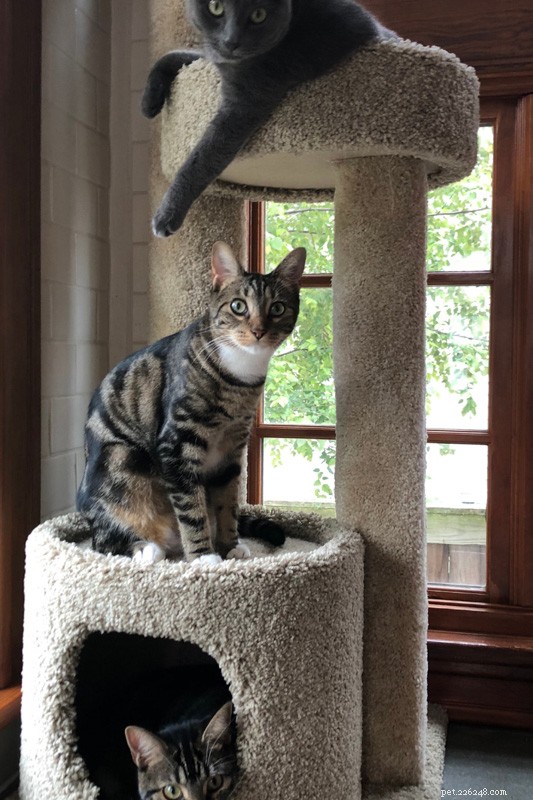
- Provide a designated play area with scratch posts, toys, and perches.
- Close bathroom doors and secure any personal care items.
When to Hire a Professional Pet Sitter
Consider a sitter in the following scenarios:
- New adoption—help acclimate your cat and prevent separation anxiety.
- Behavioral concerns—professional sitters can manage vocalization, aggression, or litter issues.
- Recent illness—a vet’s advice coupled with a sitter ensures timely care and monitoring.

Hiring a Friend or Family Member
If you trust someone familiar with your cat, they can be a cost‑effective alternative. Provide clear instructions on feeding times, litter box maintenance, and emergency contacts.
Living in an Apartment
Check in for up to two days, ensuring the cat has fresh water and a safe environment.
Living in a House with a Garden
A garden can provide stimulation, but always replenish water and monitor for potential hazards.

Final Thoughts
By following these guidelines, you can confidently leave your cat alone for short periods without compromising their health or behavior. For personalized advice, consult your veterinarian. Share your experiences or questions in the comments below.

Related Posts
- How to Keep Cats Away from Plants
- How Long Is a Cat’s Memory?
- When Is a Cat an Adult?
- Why Does My Cat’s Tail Shake?
Amanda created and owns The Discerning Cat. A lifelong cat lover, she is the proud parent of two Siberian cats, Alexei and Vladimir, and is passionate about understanding cats and different breeds.
- Pet Behavior
- Pet Breeds
- Pet Names
- Pet Adoption
- Pet Training
- Cat Stories
- Pet Health
- Adorable Pets
- Cats
- Preparing for the AKC Canine Good Citizen Test: Tips and Insights
- Pyrantel Dog Wormer: Safe & Effective Deworming for Puppies & Adults
- Understanding Why Irish Wolfhounds Howl: Expert Insights
- How the Root Chakra Shapes Pet Behavior – Insights from Animal Communicator Joan Ranquet
- The Vital Role of Veterinary Technicians in Your Pet’s Care
- Ear Mites in Dogs: Recognizing Symptoms, Effective Treatments & Prevention Strategies
- Can Dogs Safely Eat Graham Crackers? Expert Guide