

10 Expert-Backed Signs Your Cat Is Trying to Communicate — And How to Read Them
Cats may not bark or wag their tails like dogs, but they communicate through a rich array of body language and vocal cues.
While their signals can be subtle, understanding them can deepen the bond you share.
After years with my own feline companion, I’ve learned that cats use a quiet, intricate code—subtle and occasionally mischievous—to convey their feelings.
Below are ten common signals that indicate what your cat is trying to tell you.
1. The Slow Blink
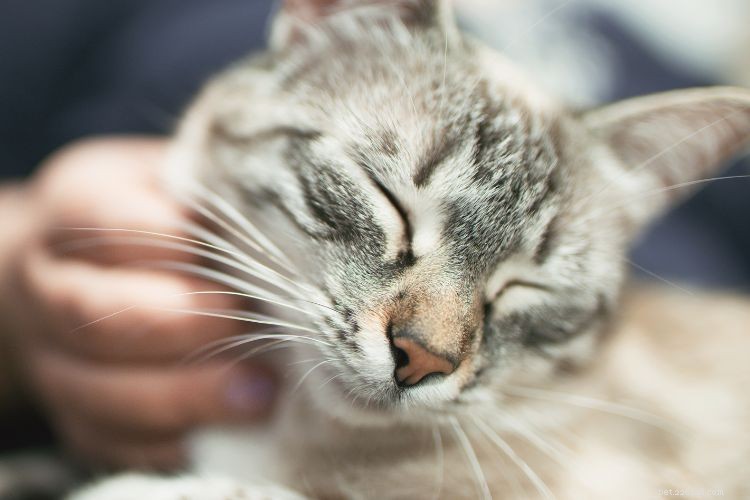
When a cat locks eyes with you and then slowly closes and opens its eyelids, it’s not just a random pause—it’s a deliberate, affectionate gesture.
Behaviorists say a slow blink, sometimes called a “cat kiss,” signals trust and comfort. Responding with a gentle blink of your own can reinforce that bond.
Because this cue is nearly universal among domestic cats, it’s a reliable indicator that your feline feels safe in your presence.
Read Next: 10 Things People do that Cats Hate
2. The Tail Flick
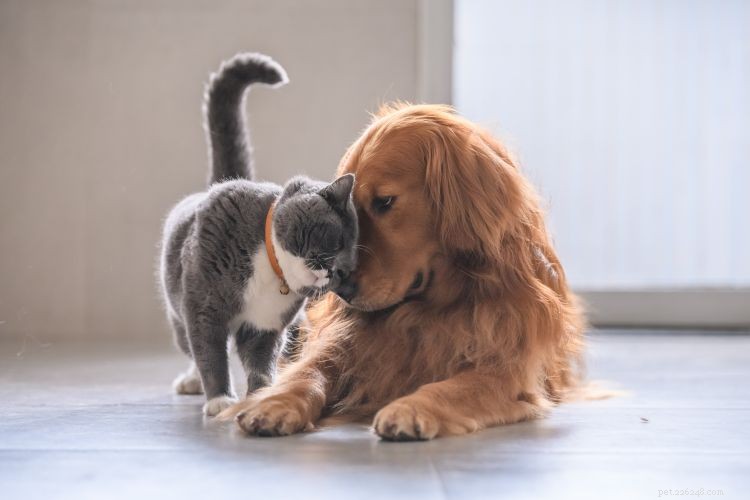
A rapid tail flick is a clear warning sign that your cat is irritated or overstimulated.
Many owners notice this flick after petting sessions that become too intense or when a treat is offered too slowly. It’s a “enough already” signal.
However, a flick can also signal focused concentration—such as when a cat watches a bird or is stalking a toy. Context is key.
Read Next: 10 Things Your Cat Would Love to Tell You if You Could Understand
3. The Headbutt
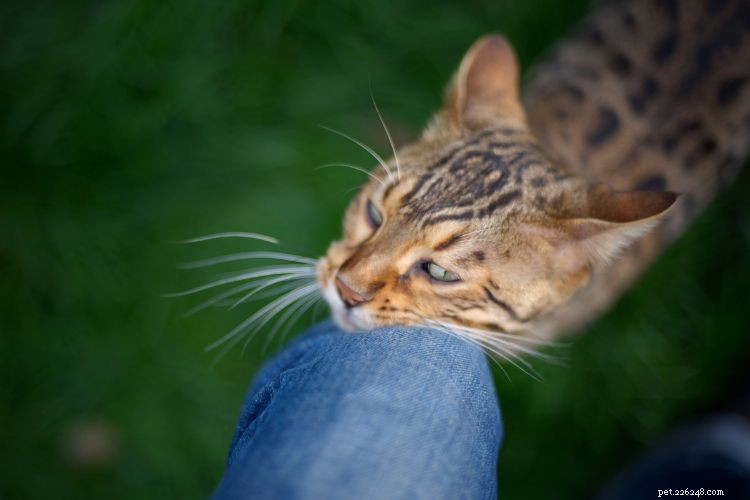
Known as “bunting,” a headbutt is a confident act of scent marking and bonding.
When a cat presses its cheek against you, it releases pheromones from the glands on its cheeks, claiming you as part of its territory and signaling trust.
For owners, a head bump feels like a furry hug—an intimate gesture that deepens your relationship.
Read Next: 10 Reasons Cats Make Better Pets than Dogs
4. The Kneading
Kneading is a carryover from kittenhood, when cats soothe themselves by pressing their paws against a warm surface.
When your cat kneads your lap, it’s a sign of comfort and affection. The rhythmic paw motions echo the feeling of a nursing mother.
To protect your blankets from sharp claws, a soft pillow or a dedicated kneading pad can be handy.
Read Next: 10 Warning Signs Cat Owners Tend to Ignore
5. The Sideways Glance
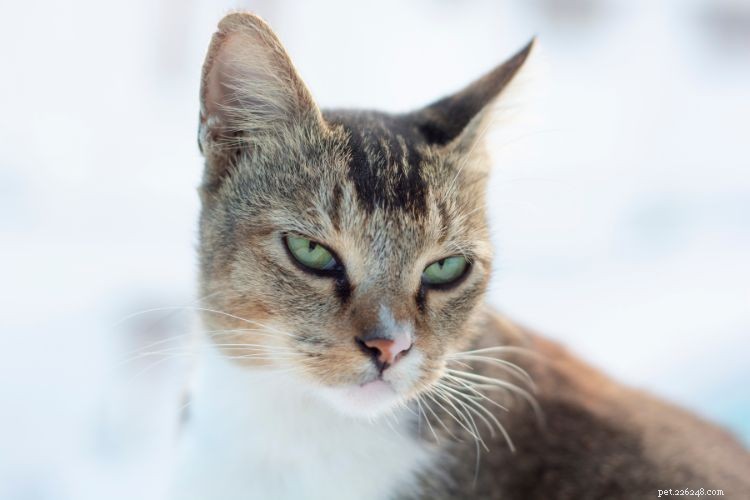
Unlike humans, a sideways glance from a cat often signals playfulness or a dare.
It’s a subtle invitation to engage—followed by a crouch, a flick of the tail, or a quick dart, encouraging you to join the chase.
Watching this cue helps you distinguish between a teasing invitation and a more serious mood.
Read Next: 10 Signs Your Cat Doesn’t Love You
6. The Tail Wrap
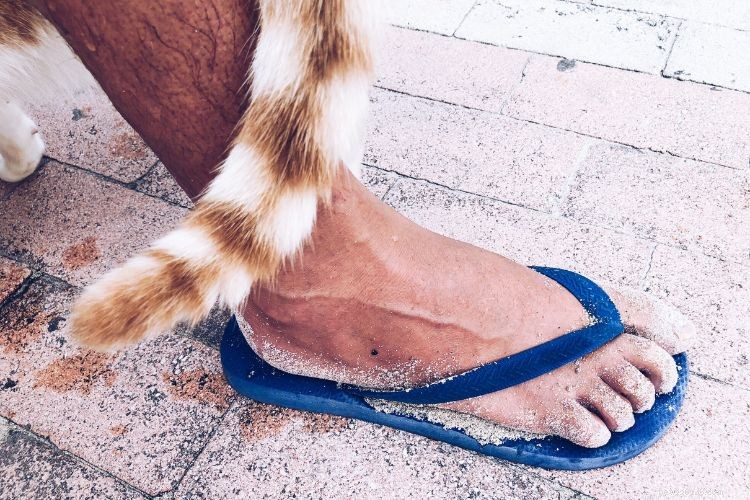
When a cat coils its tail around your arm or leg, it’s a warm, affectionate gesture equivalent to a hug.
It signals a sense of connection and trust, often prompting owners to pause work and reciprocate with a gentle stroke.
These moments reinforce the bond and remind you to pause for affection.
Read Next: 10 Signs Your Cat is Stressed
7. The Belly Show
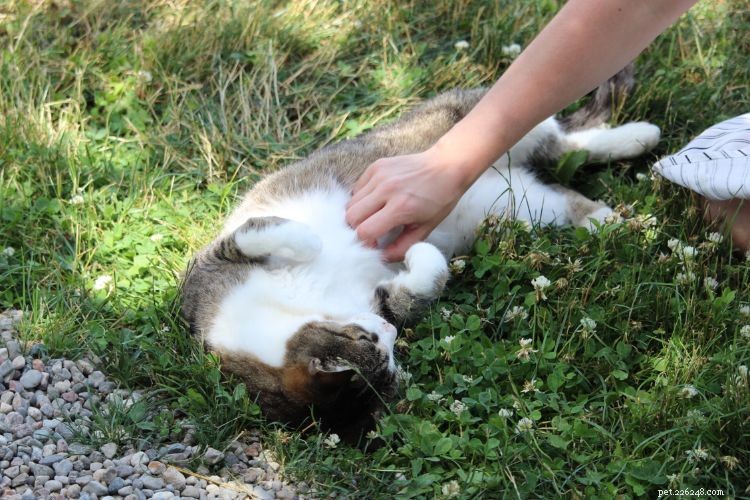
Exposing the belly is a rare sign of complete trust, but it isn’t always an invitation for a rub.
While some cats welcome gentle strokes, others may feel vulnerable and prefer to keep their distance. Observing their body language—such as tail flicks or ear position—helps determine comfort levels.
Respecting these signals protects both you and your feline from injury.
Read Next: 10 Signs Your Cat is Mad at You
8. The Chirp
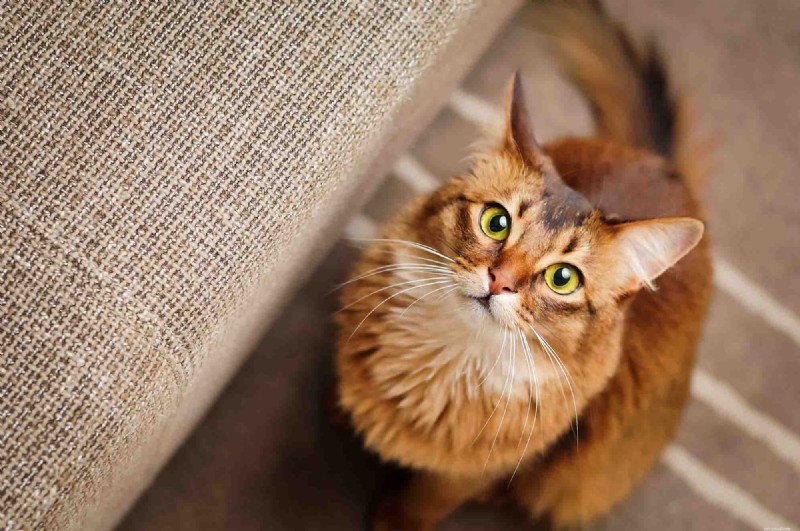
When a cat emits a chirping sound, it often reflects excitement or curiosity—especially when watching birds or a moving target.
Occasionally, a chirp may be directed at you, signaling a desire to interact or share a discovery.
Recognizing this vocal cue can help you respond with playful engagement.
Read Next: 10 Signs Your Cat Sees You as a Protector
9. The Staring Contest
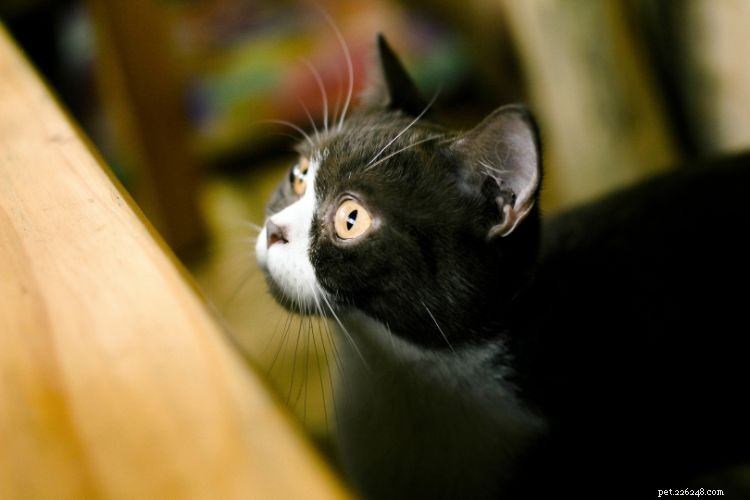
Cats are known for their intense, focused stares—often a sign of curiosity or territorial awareness.
When paired with dilated pupils, flattened ears, or a tense body, a stare can indicate stress or a challenge.
Responding with a calm gaze and a slow blink can ease tension and reinforce trust.
Read Next: 10 Signs Your Cat Considers You its Best Friend
10. The Late Night Zoomies
Nighttime bursts of speed, known as “zoomies,” are a natural way for cats to release excess energy.
These high‑velocity runs can include dramatic jumps onto furniture and rapid sprints down hallways. Observing them is a reminder of their playful instincts.
Providing a safe play space during the day can reduce late‑night excitement.
Read Next: 10 Signs of a Happy Cat
Final Thoughts
Although cats don’t use human words, they have a sophisticated repertoire of signals that, when understood, can transform the way we interact.
For me, learning Luna’s subtle cues has strengthened our partnership and made daily life smoother.
So next time your cat flicks a tail, chirps, or offers a slow blink, pause and respond. You’ll be surprised how much conversation can happen without a single word.
Read Next: 10 Signs Your Cat doesn’t Listen to You
Like this article from The Discerning Cat? Be sure to follow us.

Amanda created and owns The Discerning Cat. A lifelong cat lover, she is the proud parent of two Siberian cats, Alexei and Vladimir. She is passionate about understanding cats and different cat breeds.
- Pet Behavior
- Pet Breeds
- Pet Names
- Pet Adoption
- Pet Training
- Cat Stories
- Pet Health
- Adorable Pets
- Cats
- 122 Crystal & Gemstone‑Inspired Dog Names – Sparkle Like Your Pup!
- Can Dogs Remember Their Mother? Expert Insights
- Professional Dog House Training: A Step-by-Step Guide
- Do Dogs Possess Abstract Thinking Skills?
- Post‑Spay Diarrhea in Dogs: Causes, Symptoms, and When to Seek Veterinary Care
- Fall Pet Grooming Essentials: Keep Your Companion Fresh & Festive
- 7 Heartfelt Gifts to Comfort Those Who’ve Lost Their Cat