

10 Cat Behaviors That Only Owners Truly Understand
Have you ever wondered why your cat’s quirks seem mysterious to others? The truth is, many feline behaviors are instinctive signals that only those who share a home with a cat can decode. Below, we break down ten common cat behaviors, explain their meanings, and offer tips for strengthening the bond with your furry companion.
1. Headbutts of Affection
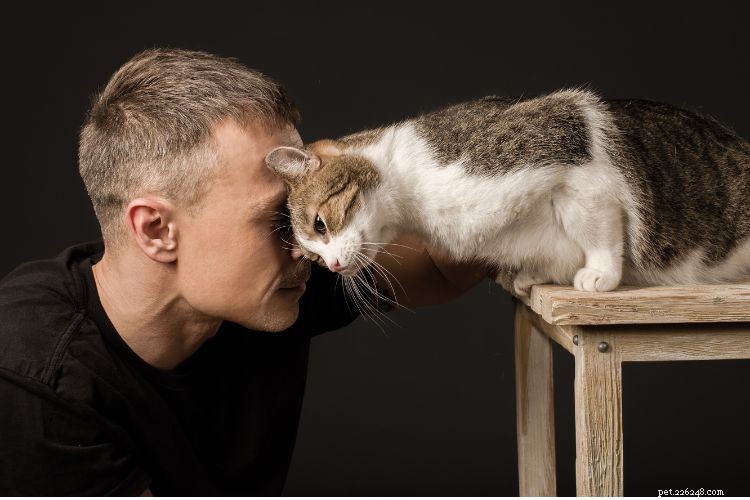
When a cat nudges its head against you, it’s not a casual touch—it’s a sign of trust and ownership. Known scientifically as head bunting, this gesture marks you with scent glands on its forehead, effectively declaring you part of its territory. In a 2019 study published in the Journal of Animal Behavior, researchers found that headbutting increased during periods of positive interaction, confirming it as a reliable affection cue.
Read Next: 10 Things People Do That Cats Hate
2. Judgemental Stare-Downs

That intense gaze you feel on the couch? Cats use their eyes to monitor the environment and assess potential threats. A steady stare often indicates curiosity or contentment rather than judgment. If your cat frequently locks eyes during your cooking, it’s simply observing your movements—a natural hunting instinct that’s been refined into a playful curiosity.
Read Next: 10 Things Your Cat Would Love to Tell You If You Could Understand
3. Sudden Zoomies at Odd Times
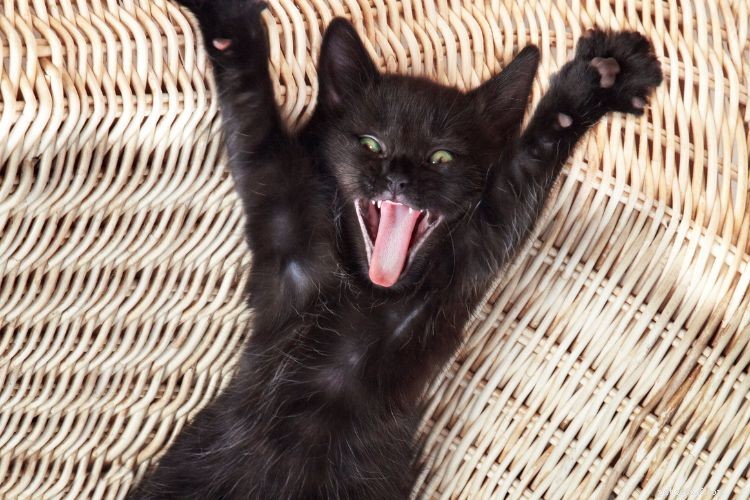
Midnight sprints—often called the “zoomies”—are a healthy outlet for excess energy. They’re most common between 2 am and 4 am and typically last only a few minutes. Veterinarians recommend providing a safe, enclosed space for these bursts to prevent accidents. The behavior reflects a cat’s natural need to chase and pounce, even when indoors.
Read Next: 10 Reasons Cats Make Better Pets than Dogs
4. Cardboard Box Obsession
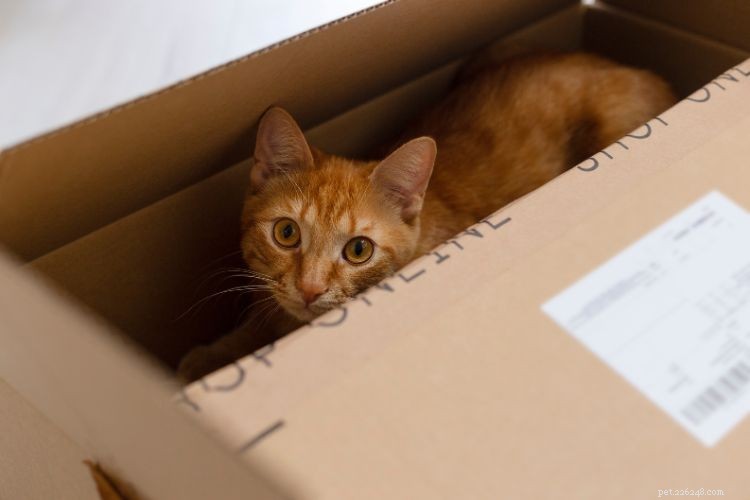
Despite luxurious beds, many cats gravitate toward cardboard boxes. A 2022 survey of 1,200 cat owners found 68% of respondents admitted their cat prefers a box over a plush sofa. Boxes provide a secure, confined space that mimics a natural den, offering psychological comfort and a perfect spot for the classic “catnap.”
Read Next: 10 Warning Signs Cat Owners Tend to Ignore
5. Unpredictable Lap Visits
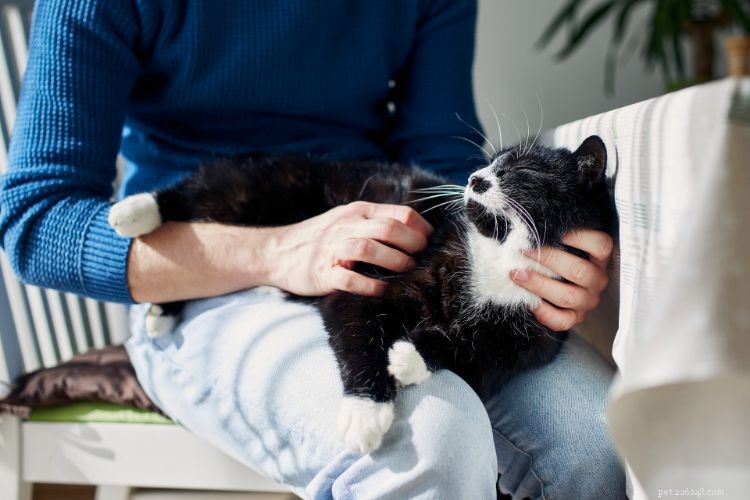
Cats are famously independent, so when they choose your lap, it signals deep trust and affection. These visits often occur during moments of relaxation—after a meal or during a quiet afternoon—reflecting the cat’s desire for warmth and social bonding. Responding positively reinforces this behavior, strengthening the human‑cat bond.
Read Next: 10 Signs Your Cat Doesn’t Love You
6. Tail Signals
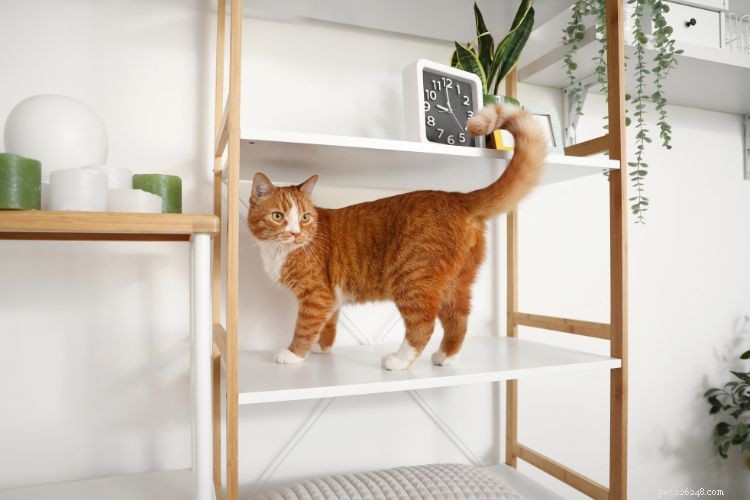
A cat’s tail is a subtle emotional barometer. A straight, slightly curved tail usually indicates happiness or confidence. In contrast, a flicking or puffed tail signals irritation or agitation. Observing tail movements in conjunction with body posture provides a nuanced read of your cat’s mood—essential for anticipating and preventing conflicts.
Read Next: 10 Signs Your Cat is Stressed
7. Chirps and Chatters

Beyond the classic meow, cats use chirps, chatters, and trills to communicate excitement—especially when watching prey or engaging in social interaction. These vocalizations often accompany rapid head and tail movements. Understanding these signals can help owners respond to your cat’s emotional state and provide enrichment.
Read Next: 10 Signs Your Cat is Mad at You
8. Kneading Rituals
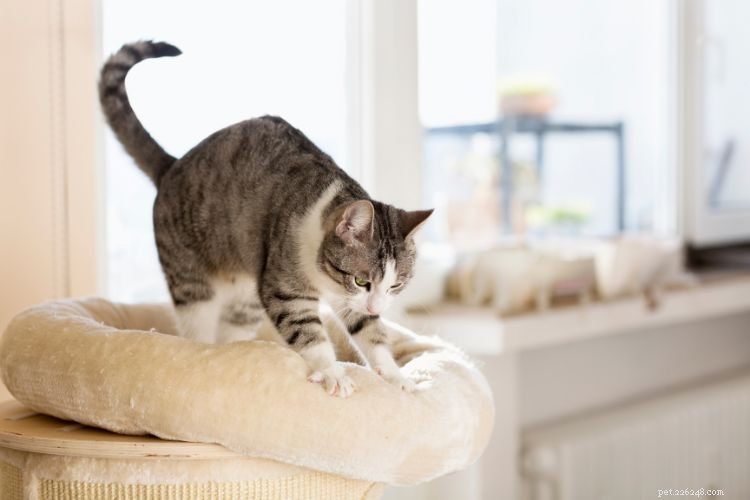
Kneading, or “making biscuits,” originates from kittenhood when the paw‑stimulation triggers milk flow from the mother. As adults, it signifies contentment and trust. Owners should allow gentle kneading, as it serves as a self‑soothing behavior that reinforces positive bonding.
Read Next: 10 Signs Your Cat Sees You as a Protector
9. Water Between Fascination and Hate

While most cats dislike baths, many are fascinated by running water. The sound and motion of water stimulate their curiosity, often leading them to investigate faucets or faucets. This paradoxical behavior can be leveraged by providing safe, non‑leaking water sources to keep cats engaged without stress.
Read Next: 10 Signs Your Cat Considers You its Best Friend
10. If I Fit, I Sit
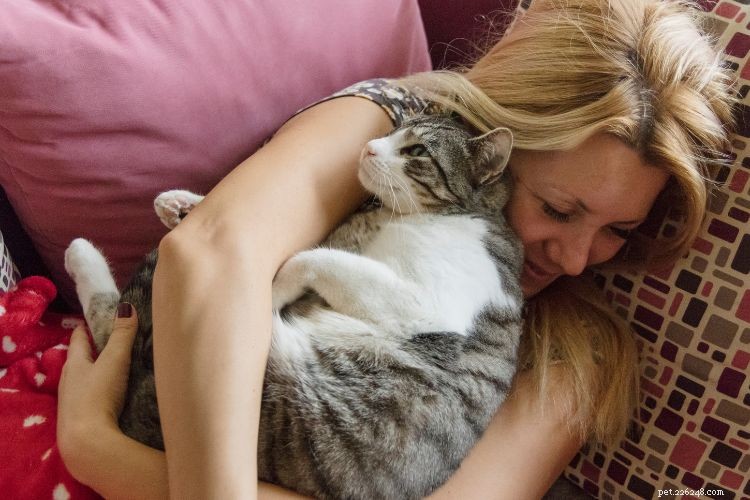
From laptops to laundry piles, cats will claim any niche that offers a perch and a view. This instinctual behavior stems from their ancestral need to survey territory from elevated positions. While the spot may be inconvenient, it demonstrates the cat’s preference for being close to you—an affirmation of companionship.
Read Next: 10 Signs of a Happy Cat
Final Words

Living with a cat is like joining a secret society—one that communicates through body language, vocal cues, and subtle gestures. Understanding these signals not only deepens your relationship but also enhances your cat’s wellbeing. If you’re a seasoned cat parent, these insights will resonate; if you’re new, they’ll guide you toward a harmonious partnership.
Read Next: 10 Signs Your Cat Doesn’t Listen to You
10 Things Your Cat Will Never Forgive

Felines possess an impressive memory, capable of recalling events for 15–20 years—a fact highlighted in a 2018 review in Animal Cognition. This long‑term memory allows cats to remember both positive and negative experiences. Owners should therefore be mindful of repeated negative interactions, such as sudden loud noises or harsh handling, which can lead to lasting distrust.
Here are ten actions that can permanently damage the trust between you and your cat—avoid these to keep the bond strong.
Read Next: 10 Things Your Cat Will Never Forgive
10 Myths About Cats You Should Stop Believing

Misconceptions abound online, often leading to ineffective care or misunderstandings. The following myths debunk common fallacies—knowledge that can improve your cat’s quality of life and the quality of your relationship.
Read Next: 10 Myths About Cats You Should Stop Believing
10 Everyday Things That Hurt Your Cat’s Feelings

Cats are highly sensitive creatures; seemingly harmless habits can trigger stress or frustration. Recognizing and eliminating these everyday irritants—such as abrupt voice tones, sudden movements, or neglect—can prevent emotional discomfort and strengthen your bond.
Read Next: 10 Everyday Things That Hurt Your Cat’s Feelings
Like this article from The Discerning Cat? Be sure to follow us.

Amanda created and owns The Discerning Cat. A lifelong cat lover, she is the proud parent of two Siberian cats, Alexei and Vladimir. Amanda is passionate about understanding cats and different cat breeds.
- Pet Behavior
- Pet Breeds
- Pet Names
- Pet Adoption
- Pet Training
- Cat Stories
- Pet Health
- Adorable Pets
- Cats
- How Mother Dogs Express Love and Care to Their Puppies
- Top 5 Internet-Famous Cats Everyone Loves
- Puppy Vaccinations: Why Multiple Shots Are Essential for a Healthy Start
- Top Dog Allergy Supplements 2022: Trusted Choices for Health
- 17 Stunning Labrador Retriever Photos to Brighten Your Day
- What Your Cat’s Whiskers Reveal: Essential Facts & Care Tips
- Treating Canine Pimples: Safe Solutions for Your Dog's Skin