

10 Proven Ways Cats Intuitively Understand Your Life – Expert Insights
Cats often appear aloof, yet their keen perception means they’re far more attuned to you than you might think. Drawing on decades of feline behavioral research, we’ve distilled ten specific ways your cat reads your world.
1. Your Daily Routine (Better Than You Do)

Cats thrive on routine, which gives them a reliable rhythm to anchor their own lives. Consequently, they memorize the exact timing of your day—from the moment you rise, to your nightly wind‑down, to the precise instant you step out for work.
How They Know
- They recognize subtle cues: the sound of your shoes, the click of your keys, the scent of your jacket.
- They anticipate mealtime and will pause at the kitchen doorway if you’re late.
- They position themselves where you’re most likely to appear—e.g., the couch, the hallway, or the window sill.
Because they’re constantly monitoring, they often seem to “read” your next move before you even do.
2. Your Mood (And How to Respond)

Beyond body language, cats interpret tone, eye contact, and even your breathing pattern. Studies show they can differentiate between positive and negative human emotions with remarkable accuracy.
How They Know
- They detect stress hormones like cortisol, which subtly alter your scent.
- They gauge changes in your posture and facial expressions.
- When you’re distressed, many cats will seek proximity; when you’re irritable, they often give space.
That familiar moment when your cat curls beside you after a rough day? It’s not coincidence—it’s instinct.
3. When You’re Unwell
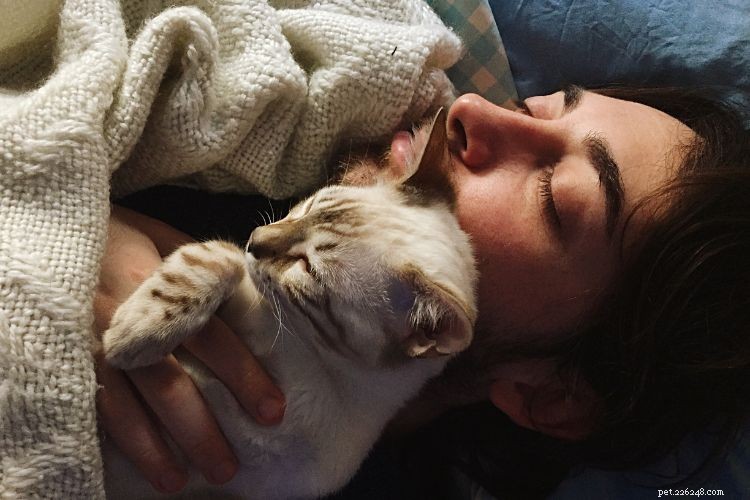
Felines possess a heightened olfactory sense capable of picking up minute biochemical shifts. Fever, infection, or self‑medication can all alter your body’s scent profile.
How They Know
- They notice temperature changes on your skin.
- They sense changes in breath rhythm and depth.
- Some will adopt a protective stance, remaining close or bringing you “comfort” items.
Veterinarians note that cats often increase affectionate behaviors when owners feel ill, suggesting an evolved coping mechanism.
4. Your Preferences (And Dislikes)

Cats learn who aligns with their comfort level by observing both you and the visitor’s interaction with them. They can sense anxiety, confidence, and reciprocity.
How They Know
- They watch how you behave around each person.
- They notice how guests treat them—gentle petting versus forced proximity.
- Noticing mistreatment or self‑consciousness can trigger wary behavior.
Should a date huff near your cat, their subtle warning sign may be an obligate self‑preservation tactic.
5. Your Exit (Before You Even Leave)

Routine actions—shoe lacing, key turning—signal departure. Cats associate these cues with an imminent absence.
How They Know
- They correlate specific sounds with leaving.
- Some may retreat to a quiet spot, others block the doorway in a gentle plea.
- Their presence at the threshold upon your return underscores their anticipatory skill.
Even a stealthy exit triggers their heightened awareness.
6. Your Return Time
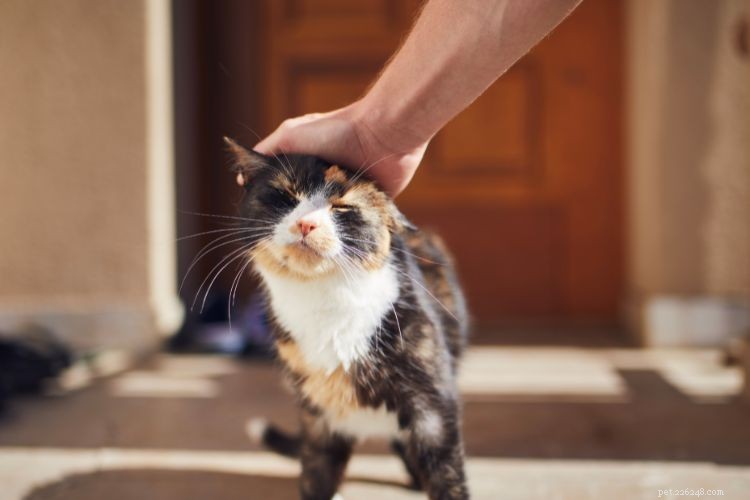
By observing your clock‑tied patterns, cats estimate when you’re likely to return, adjusting their own schedule accordingly.
How They Know
- They track repetitive timing of your arrivals.
- They wait by the door or window, alert to any shift.
- When you’re late, their restlessness can be a form of social frustration.
Even without a watch, they seem to sense the passage of time.
7. Loneliness Signals
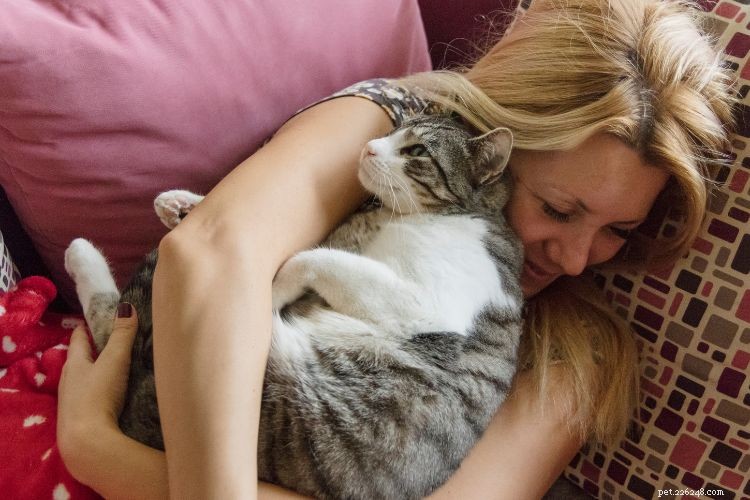
While independent, cats exhibit affiliative behavior when their human’s social needs rise.
How They Know
- They sense a drop in verbal interaction.
- They notice a change in your daily routine—more alone time.
- They often increase grooming or proximity to provide self‑comfort.
When you truly need an ear, they will obligingly oblige.
8. Your Sleep Mandates

Cats synchronize with obligate propensities. They detect you propelling yourself at odd hours or waking repeatedly, propelling their own vigilance.
How They Know
- They sense body language changes in the night.
- They adjust their own schedule to align with yours.
- Some will softly wake you, an instinctive “co‑sleep” reminder.
Sleeping beside you isn’t just affection; it’s an adaptive strategy.
9. Bathroom Time = Prime Bonding

When you close the door, your cat sees a captive audience with no distractions. It’s the optimal moment to re‑establish the bond.
How They Know
- They notice your immobility and focus.
- They time their demands when you’re most likely to respond.
- They may use the time to reinforce attachment through gentle purring or head‑butting.
It’s an evolutionary tactic turned daily ritual.
10. Pregnancy and Major Life Shifts

Hormonal fluctuations alter your scent profile and behavior. Cats can detect these changes, prompting protective or affectionate responses.
How They Know
- They sense hormone‑induced scent differences.
- They notice subtle changes in your energy or routine.
- Many become extra vigilant, guarding you during this vulnerable period.
Owners often observe a shift in their cat’s demeanor weeks before they confirm pregnancy.
Beyond the Ten: What Cats Remember (And Why It Matters)

Scientific research suggests cats can retain specific memories for 15–20 years, especially those linked to rewards or punishment. Understanding this helps you foster a positive environment and avoid actions that could leave lasting negative impressions.
Common Myths About Cats Debunked

Many owners hold misconceptions—like cats being wholly independent or ignoring affection. Reviewing evidence‑based facts can prevent misunderstandings and improve care.
10 Everyday Actions That Hurt Your Cat’s Feelings

Even small habits can unintentionally cause stress: abrupt voice changes, forced grooming, or ignoring a cat’s boundaries. Awareness of these triggers promotes a healthier relationship.
Like this article from The Discerning Cat? Be sure to follow us.

Amanda created and owns The Discerning Cat. A lifelong cat lover, she is the proud parent of two Siberian cats, Alexei and Vladimir. She is passionate about understanding cats and different cat breeds.
- Pet Behavior
- Pet Breeds
- Pet Names
- Pet Adoption
- Pet Training
- Cat Stories
- Pet Health
- Adorable Pets
- Cats
- How Your Calm Presence Helps Your Pet Thrive During Vet Visits
- Top 3 Travel Essentials for Dogs: Comfort, Safety, and Style
- Akita Dog: Comprehensive Guide to Characteristics, Care, and Training
- Understanding Ragdoll Cat Humping: Causes, Symptoms, and Solutions
- How an Equine Chiropractor Can Improve Your Horse’s Health and Performance
- Liquid Panacur for Dogs: Safe Dosage Guide and Parasite Relief
- Understanding Briard Behavior: Traits, Temperament & Care