

Essential Cat Dental Care: Preventing Tartar and Gum Disease
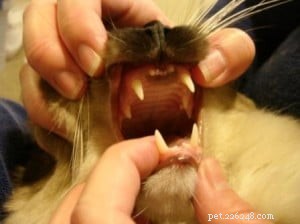
“It doesn’t matter; cats lose all their teeth anyway.” This was one of the last things that Rags’ vet said to me when Rags was 14 years old – right after the vet had taken his thumbnail to break off a chunk of tartar that surrounded the back molars of Rags’ mouth.
Growing up with a mom who required 2 dental cleanings a year for her children and her husband, I was well aware of the dangers of tartar, bleeding gums, etc. It was that day that I called to find another vet to take Rags to.
When we took him to the new vet, a vet dedicated to cat care only, the first thing they noticed was what terrible shape his mouth was in. After they took his blood to make sure he was fine otherwise, it was time for Rags to get a dental.
Could I have not done anything to Rags’ mouth and would have he been fine? Maybe. But, I believe his mouth caused him a good deal of pain in the last years of his life – because his teeth had not been taken care of during his formative years.
Tartar built up and plaque in your cat’s mouth can cause many dental complications. One of the most common complications is periodontal disease. If left untreated the attachment structures holding your cat’s teeth in can be destroyed and your pet can lose its teeth. I was also warned that anything left untreated in the mouth would lead to kidney disease and other potential forms of organ failure.
In fact, dental care for felines is just as important as it is for us. There’s no wonder why American Veterinary Dental College exists!
To avoid periodontal disease, feed your cat a healthy diet, have appropriate chew toys, brush your cat’s teeth daily, and take your pet in for a professional teeth cleaning as recommended by your vet. Appropriate chew toys are those that are soft such as rope or rubber toys. Do not let your cat chew on hard objects, like rocks because that gesture could cause breakage in the teeth.
If you’re confident with your cat’s healthy diet, and you know you have appropriate chew toys, then you might first want to start out with How to Brush Cat Teeth.
You’ll want a soft bristled toothbrush that is suitable for a cat’s mouth and some veterinarian toothpaste (like, C.E.T. Toothpaste Poultry Flavor 2.5 Oz.). If you do not have a veterinarian tooth brush, brush with no paste. Do not use human toothpaste on your cat’s teeth – cats do not have the ability to spit out their toothpaste, so they have to swallow it. Human toothpaste has too much fluorides and what not, that are not meant to be swallowed.
Your vet should be able to tell you if your kitty needs a dental or not – there is no rule of thumb about how often they should be done. It’s completely subjective.
See photos of actual kitty dentals done to the cats in my life.
Thank you to my mom’s gorgeous Caymus for showing off his pearly whites in the photo on this post.
Here are some videos of our cats getting dentals:
Ragdoll Cat Charlie Getting a Dental
Ragdoll Cat Caymus Getting a Dental
Ragdoll Cat Rags Getting a Dental and Tooth Extraction
Do you brush your kitty’s teeth? How often?
More Cat Health Tips:
 Red Light Therapy for Cats
 How to Give a Cat a Worming Tablet {Stress-Free & Effective Options}
 My Cat is Throwing Up Clear Liquid
 Why Do Cats Chatter Their Teeth?
- Pet Behavior
- Pet Breeds
- Pet Names
- Pet Adoption
- Pet Training
- Cat Stories
- Pet Health
- Adorable Pets
- Cats
- Is Brushing Your Cat's Teeth Essential? Discover the Health Benefits
- Do Cats Lose Teeth? When It’s Normal and When It Signals Health Issues
- How to Keep Your Cat’s Teeth Clean & Healthy: A Proactive Dental Care Guide
- Protect Your Cat’s Health: Expert Tips for Maintaining Strong Teeth
- Professional Dental Care for Your Ragdoll Cat
- Essential Cat Hygiene Tips for Healthy, Happy Pets
- Cat Dental Care Tip 41: Understanding Your Cat’s Tooth Development