

Caring for Your New Ragdoll Kitten with Giardia: Expert Tips for Recovery
Recently a reader wrote in with serious questions and concerns about bringing home a Ragdoll kitten with Giardia. Getting to know and love a kitten who is showing signs of illness can be scary for a pet owner, but fortunately Giardia is very treatable. Below are a few things to know about kittens with Giardia, as well as some tips and suggestions for safely restoring them to health.
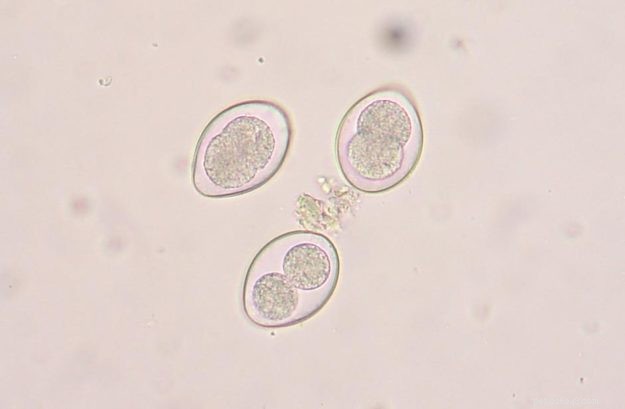
What Is Giardia?
Giardia is a parasite that can affect both animals and humans—think “Traveler’s Diarrhea” in people. The parasite exists in two forms: one live form that lives and feeds in the intestines, and another cystic form that is shed in feces. Cats can originally become infected if they ingest the cystic form of Giardia through eating, drinking, or sniffing something that is contaminated. Giardia is more common in kittens or older, weaker cats, and it can most commonly be found where there is a dense population of cats, such as a cattery. The main symptom of Giardia is intense, foul-smelling diarrhea. The soft or loose stools often have a green tinge, and then can also contain blood or excess mucus. The diarrhea can happen intermittently, but over time the cat will loose weight as it continues and they may be less energetic than usual.What Are the Giardia in Cats Treatment Options?
Giardia is very treatable and is usually only life threatening in cats whose immune systems are compromised due to a serious illness like FIV (Feline Immunodeficiency Virus). Vets most commonly prescribe fenbendazole and metronidazole in pill, paste or liquid form to kill the Giardia—one common Giardia in cats treatment is Panacur. Because Giardia causes inflammation of the gut and the treatment of Giardia can further imbalance intestinal bacteria, a lot of pet owners recommend giving the kitten a probiotic to help restore good bacteria in the gut. Two possible probiotics to look into are Berte’s Ultra Probiotic Powder or Purina’s FortiFlora. The probiotic powders can be sprinkled on their food or administered in liquid form using an oral syringe.How Do I Know if My Kitten Has Giardia?
Vets can do a stool test or an ELISA test to determine if a kitten has Giardia, although there are cases where tests can produce false or conflicting results, so it is good to consider a variety of factors if you think a kitten might have Giardia:- Breeders – In addition to doing research on a Ragdoll cat breeder before working with them, always try to get a clean bill of health from a breeder before adopting a kitten. Most breeders should take care of first vaccinations and vet visits, and if there are any signs that a kitten might be unhealthy, have the breeder take them to the vet and get them tested, then administer treatment until the vet confirms that the kitten is healthy and ready to go home with you.
- Stress – Remember also that kittens will experience some stress that can affect their immune systems when they are transitioning to a new environment. Some sniffles or stomach issues might be normal at first, so it is possible that these are not signs of Giardia. On the other hand, a kitten who was previously treated for Giardia might be susceptible to a relapse caused by stress.
- Food – Another possible cause of diarrhea other than Giardia is the kitten’s diet. Kittens need time to adjust to a new food, so switching completely from a breeder’s brand to your own brand could cause vomiting or other problems. Instead, slowly mix the foods together, adjusting the percentage until the kitten is eventually getting 100% of the new food. Remember that wet food is better for cats, and consider keeping a food diary for your cat so you can learn how they react to different foods.
Tips for Taking Care of a Kitten with Giardia
Here are a few final tips for taking care of a new kitten with Giardia:- Reach out to the breeder if a kitten has a relapse and see if you can work out a plan to get them back to health, preferably on the breeder’s dime.
- Giardia is a zoonotic, meaning it can be passed from animal to human, so be careful to wash your hands often—particularly if someone in the house has an already weakened immune system from diseases like cancer or HIV.
- Consider keeping a kitten on probiotics for life. Giardia in cats long term effects include possible immune system and bowel problems, so probiotics can be an inexpensive way to help maintain their gut health.
- Avoid totally isolating a sick kitten. Ragdolls are social creatures, so this isolation might cause more stress and health issues rather than helping them recover.
Read our discussion on Facebook about it!
Giardia is rarely life threatening in kittens, and as long as you can work with a breeder and a vet to get a kitten the proper treatment quickly, this rough start should not affect your kitty’s long term health and happiness in their new home. For more tips on bringing home a kitten or switching them to new food, check out the posts “How to Introduce New Cats to Your Household” and “Transitioning Charlie and Trigg from Dry Food to Wet Food Only”. What tips and suggestions do you have for bringing home Ragdoll kittens with Giardia?- Pet Behavior
- Pet Breeds
- Pet Names
- Pet Adoption
- Pet Training
- Cat Stories
- Pet Health
- Adorable Pets
- Cats
- Adorable Ragdoll Kittens: Sweet, Calm, and Family‑Ready
- Expert Ragdoll Kitten Care Tips & Guide – Healthy, Happy Cats
- Ragdoll Kitten Homecoming: Expert Tips for a Smooth Transition
- Introducing Your Ragdoll Kitten to a Bunny Rabbit: A Safe and Friendly Guide
- Choosing Between One or Two Ragdoll Kittens: What You Need to Know
- 5 Proven Tips for Raising Healthy, Strong Kittens
- Welcome Your New Kitten: A Guide to the First Day and Beyond