

The Distinctive Appearance of Ragdoll Cats: What to Expect
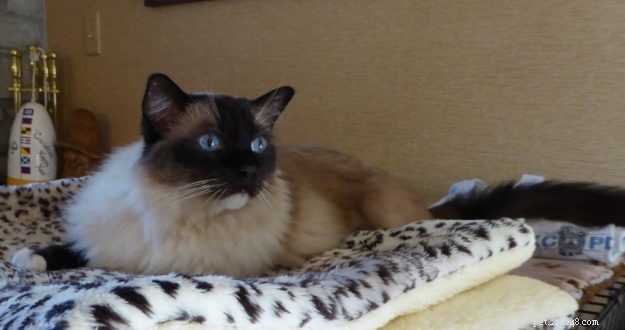
Ragdoll cats’ appearance can be summed up in a word: majestic. These cats are large and broad chested, with silky, bunny-like fur and unforgettable blue eyes. Below is some more information on the looks of this striking breed.
Ragdoll Cat Size
Ragdolls are on the larger side for cats—but they are not fat, just big boned. They mature slowly, so they don’t typically reach their full size and weight until age four. Males usually reach 15-20 pounds at maturity, and females usually grow to about 10-15 pounds. Their heads are wedge-shaped, and they have rounded muzzles, flat top skulls, and chubby cheeks. The Ragdoll’s body is long and muscular, with a broad chest, heavy and stocky legs, rounded paws, and a thick, short neck. Their plume-like tails are especially soft and bushy.
Ragdoll Cat Colors and Coats
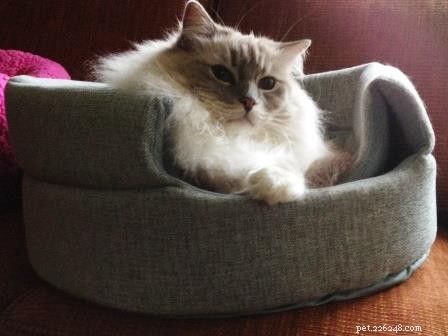
Ragdoll cat colors and patterns become more distinct as the cats age, and they will usually reach their full coloring when they are two years old. They come in the following four patterns:
- bi-color
- van
- mitted
- colorpoint
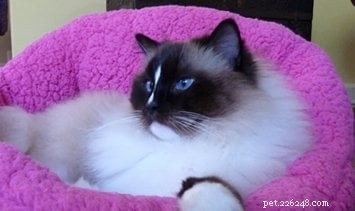
They are known for being pointed cats, meaning that their faces, tails, paws, and ears are darker than the rest of their bodies. Ragdolls can come in a variety of different colors as well, so there are quite a few possible combinations between colors and patterns. Here are the six colors Ragdoll cats come in:
- seal
- blue
- chocolate
- lilac
- red
- cream
See more photos on our site of Ragdoll colors:
- Blue Ragdolls
- Seal Ragdolls
- Chocolate Ragdolls
- Lilac Ragdolls
- Cream Ragdolls
- Tortie Ragdolls
- Mink Ragdolls
- Solid Ragdolls
- Red Ragdolls or Flame Ragdolls
If you are interested in learning more about what patterns and colors the breeding of different Ragdoll types produces in kittens, check out the Ragdoll Fanciers Club International’s chart.
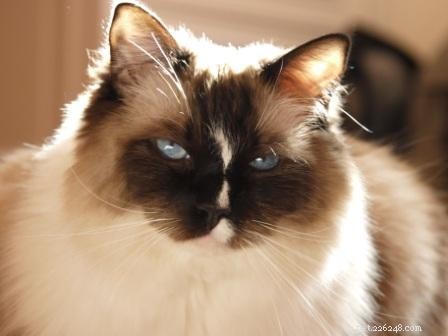
Ragdoll cats have silky, semi-long coats that need minimal grooming to stay tangle-free, but they should be combed regularly. Ragdolls do shed, but because they do no have dense undercoats, they do not shed or mat as much as some other breeds. In addition, Ragdoll cats are known for the striking blue color of their eyes, which are oval to slanted.
Is the Ragdoll Cat Hypoallergenic?
A common question about Ragdolls is whether they are hypoallergenic. While people have different degrees of allergic reactions to different cats, the generally accepted answer is no, Ragdolls are not completely hypoallergenic. People can have allergic reactions to cats’ undercoats or saliva, so they might have a higher tolerance for Ragdolls since Ragdolls do not have an undercoat and shed less, but the saliva could still be a problem.
Grooming regularly can help with cat fur allergies, so a frequently groomed Ragdoll might induce less of a reaction, but it is still important to know what you are getting into ahead of time as a pet owner. It is heartbreaking to see cats rehomed or even abandoned because allergies were worse than anticipated.
Ragdoll Cat for Sale
In addition to being bred for their appearance, Ragdolls were also bred for their unique, endearing temperament, which is why they make great pets in addition to show cats. Ragdoll cats are known for their interest in humans—they will often follow a human around the house like a puppy—as well as their gentleness and even trainability. They are playful and typically get along well with children and other pets.
With all this said, it is important to remember that although these are breed characteristics – THEY ARE NOT GUARANTEED. Cats are living, breathing souls and not made in a cattery – even if you get a pedigreed Ragdoll cat, you can’t be guaranteed about the characteristics. They are not made in a factory. So please be aware that every cat has their own personality, and how they are raised by the breeder will matter too.
For those interested in buying a Ragdoll either for show or pet purposes, it’s important to know that the pricing of Ragdolls will vary based on their type, markings, and bloodline. There are different price ranges for show versus pet quality Ragdolls—if you want to learn more about this breakdown, check out our post “Ragdoll Cats for Sale: Essential Info to Know When Buying a Ragdoll Cat”.
Ragdoll cat breeders usually start to sell kittens between the ages of twelve and sixteen weeks. At this point they should have received basic vaccinations and should be physically and mentally capable of travelling and adapting to a new environment.
There is no one particular look for a Ragdoll cat, but all of the different colors and patterns are beautiful in their own way, and all Ragdolls share the regal size, bright blue eyes, and silky coats.
What is your favorite Ragdoll color and pattern? What size did your Ragdoll reach at maturity? Share here!
- Pet Behavior
- Pet Breeds
- Pet Names
- Pet Adoption
- Pet Training
- Cat Stories
- Pet Health
- Adorable Pets
- Cats
- How to Spot Fleas on Dogs and Cats: Signs, Symptoms, and Prevention
- Ragdoll Cats: Traits, History, and Personality Insights
- Ragdoll Cats: A Complete Guide to the Floppy Cat Breed
- Ragdoll Cat Colors: A Comprehensive Guide to Their Elegant Patterns
- Everything You Need to Know About Ragdoll Cats
- The Science Behind Catnip: Why Cats Love It and What It Means for Ragdolls
- Red (Flame Point) Ragdoll Cats: Colors, Care, and CFA Standards